Oil Spill Response Challenge Semi-finalists insights
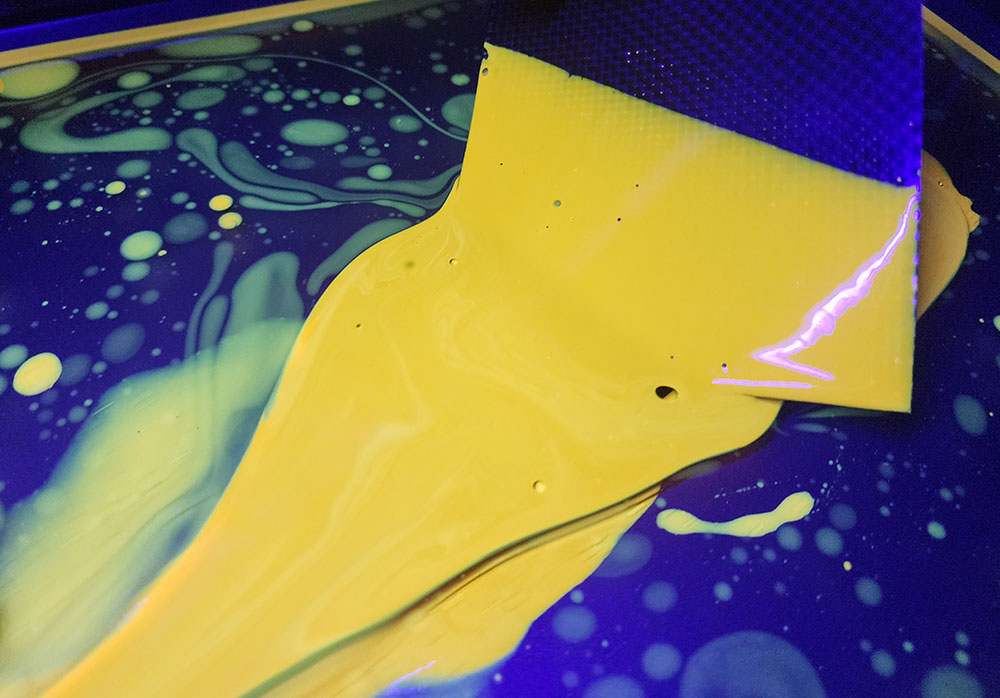
Aqua-Guard Spill Response Inc.
How does your oil spill response solution contribute to protecting and preserving Canada's aquatic environment, and/or benefit Canadians?The new response solution has the prospect to greatly benefit and protect Canada's aquatic environment by allowing recovery of oils that are currently viewed as unrecoverable at high efficiency rates.
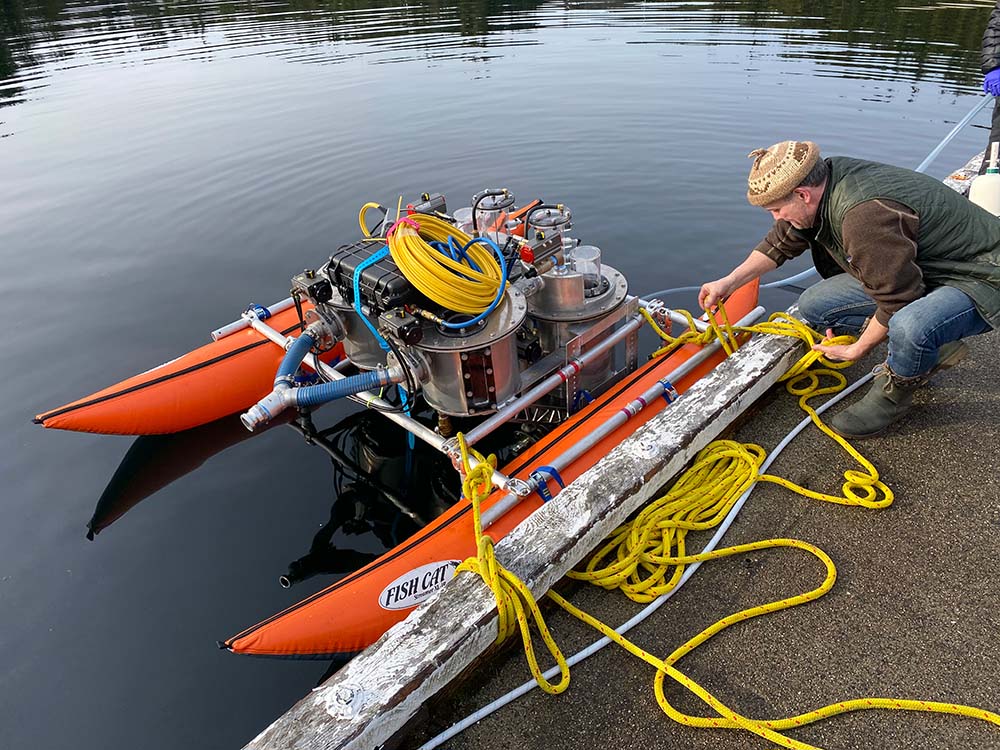
Coastal First Nations Great Bear Initiative
How does your oil spill response solution contribute to protecting and preserving Canada’s aquatic environment, and/or benefit Canadians?Over the past 10 years, we have been increasing capacity in First Nations communities through planning and training. We are now working hard to get the tools and equipment that those communities need to be effective when responding to a spill. First Nations Leadership and Stewardship Offices are very excited about having a skimmer system that can be easily deployed and operated by staff. For the first time, we have an opportunity to not just put out booms to direct pollutants into a concentrated area, but actually remove it from the water before it does more damage!

Concordia University
How has the Oil Spill Response Challenge helped to advance your oil spill response solution?Under the support of the Oil Spill Response Challenge, a strong team with complementary expertise and established international reputations has come together to conduct this project. Many R&D efforts are being made to foster innovative technologies across multiple disciplines for enhancing shoreline cleanup. The outcomes of this project can help expand Canada’s “tool kit” for effectively addressing and mitigating the impact of oil spills on its precious shoreline ecosystems.

Dalhousie University
Proposed solutionDalhousie University’s proposed solution involves the development of a rapidly deployable system of surface and underwater robotic vehicles with state-of-the-art sensors, profiling systems, and samplers to inform oil spill decision-making and response.

LGM Canada Corp.
How has the Oil Spill Response Challenge helped to advance your oil spill response solution?Not only has the Oil Spill Response Challenge provided the resources to advance our solution, it is providing the much needed external recognition critical to commercializing our concept. We have presented the concept at conferences and leveraged the recognition it has received by the Challenge to support our enthusiasm.
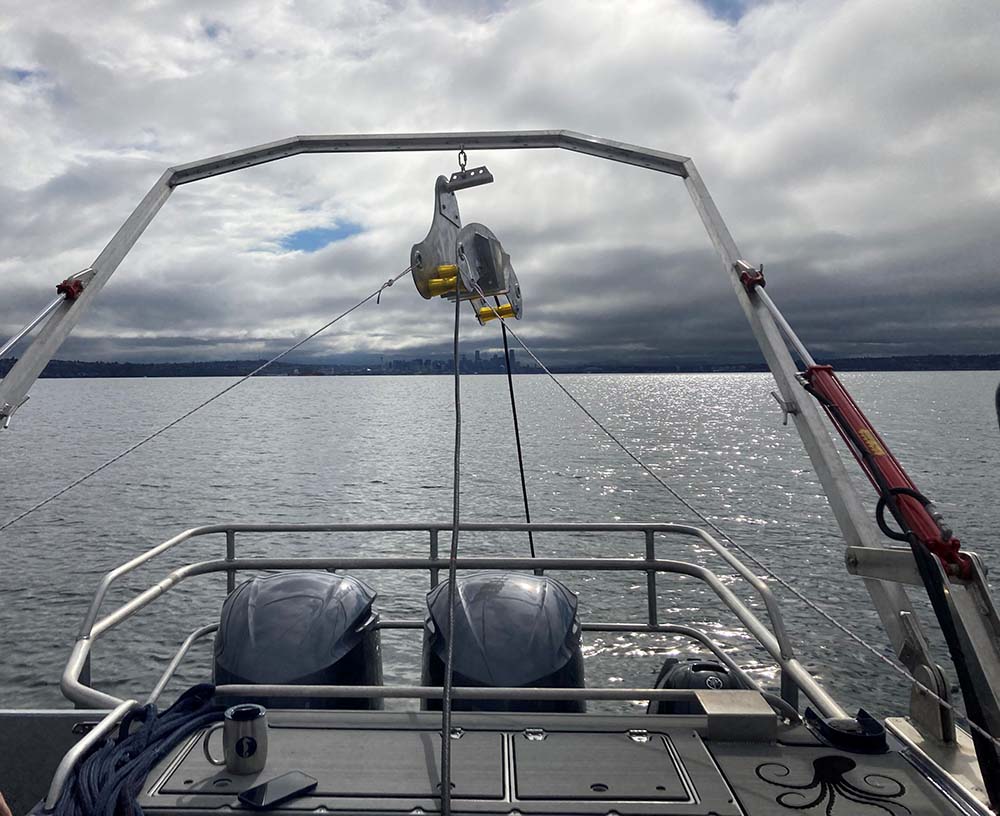
SeaChange Marine Conservation Society
How has the Oil Spill Response Challenge helped to advance your oil spill response solution?The Oil Spill Response Challenge has helped our team conduct field surveys in the marine environment and collect essential data for our prototype solution.

Tactical Electronics
How does your oil spill response solution contribute to protecting and preserving Canada’s aquatic environment, and/or benefit Canadians?The NOMAD enables [one] to quickly respond to, characterize, and mitigate oil spills before they can drastically affect the aquatic environment or coastlines. Right now, spill cleanup efforts are costly and hazardous to human lives. The small operational footprint and rapid deployment capability is not only more cost effective and efficient, but it allows human intervention for effective mitigation from a safe distance. This solution keeps Canadians out of harm’s way, protects shorelines and the vitality of the aquatic life they support, and reduces costly shore clean-ups.

University of Manitoba
How are you developing your oil spill response solution to fit the Canadian environment?Our developed solution will provide a critical tool for detecting and monitoring oil spills in Canada’s aquatic environment. The rapid response and ease of use will allow stakeholders to gain information that will aid responders in effective clean-up measures. This will allow Canadians to protect the environment as they limit the oil spill spread.
University of Northern British Columbia
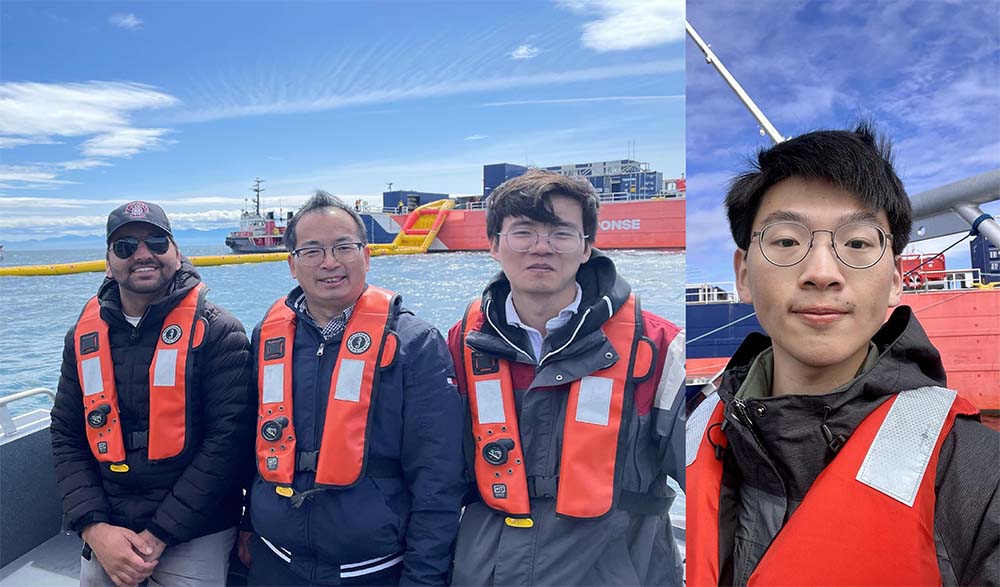
How are you developing your oil spill response solution to fit the Canadian environment?We are targeting both marine and freshwater oil spill response scenarios by testing on a pilot-scale prototype to ensure our solution can effectively fit into various environmental settings. To ensure our oil spill response solution is well-suited for the Canadian environment, we are collaborating with oil spill responders to integrate the compact decanting system components into existing response vessels or trailers for quick transportation to different locations.
University of Toronto
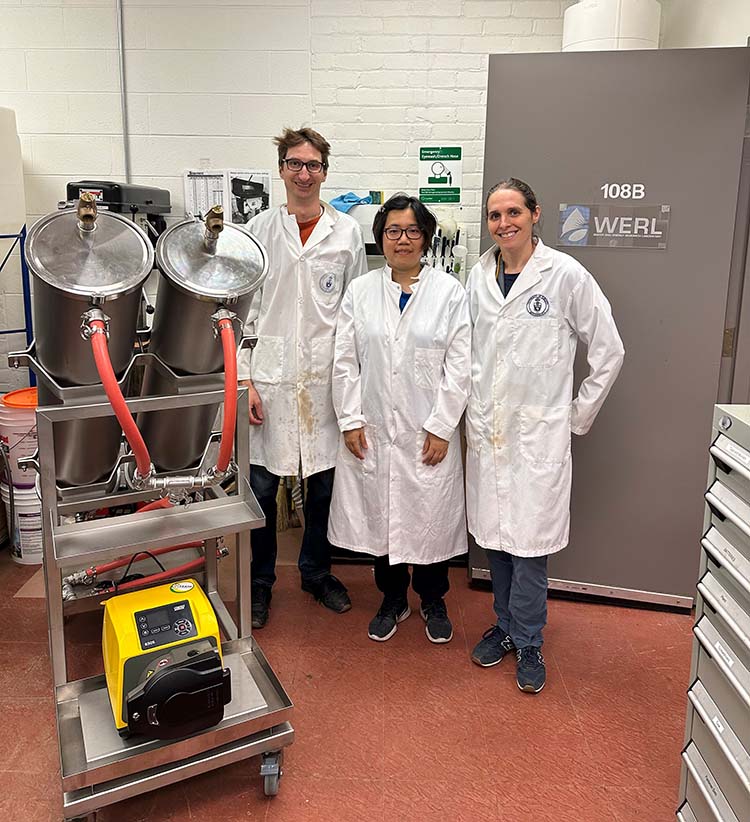
How has the Oil Spill Response Challenge helped to advance your oil spill response solution?The Oil Spill Response Challenge provided the opportunity and funds that we needed to pursue a collaborative partnership with two industrial partners to improve and commercialize our filtration media. Through the partnership we have access to knowledge and facilities we can use to improve the filtration foam’s formulation and manufacturing process. This will lead to a more effective foam that can be produced at a lower cost. The Challenge has also provided us the opportunity to test the foam in realistic conditions at scale to demonstrate its potential.