Producer Mental Wellbeing Initiative
Supporting farmers' mental wellbeing
Introduction
Producer wellbeing, particularly mental health, has become a significant topic in the Canadian agriculture sector. Canadian producers face unique mental health and wellbeing challenges, many of which are compounded or heightened by the stressful and unpredictable nature of their work.
Unlike most urban occupations, farming is not only a livelihood, but often a family tradition and a way of living, which increases the pressure on farmers to maintain productivity and profitability.
Agriculture and Agri-Food Canada (AAFC) is committed to help more farmers gain access to the mental health support they need, with resources and tools that are tailored to their needs. Key stressors for producers include climate change, isolation, stigma, and the physical and emotional demands of farming. Farmers also face significant mental health challenges such as anxiety, depression, and stress from financial uncertainty, weather unpredictability, and the unique pressures of managing farm operations.
The stress in farming populations has also been linked to an increase in the rate of farm work injuries and an increased risk of suicide. This can lead to negative impacts on the ability of producers to work effectively, which could impact farm productivity.
Supporting farmers' mental health and safety is essential to ensuring a healthy and prosperous agricultural sector.
Initiative Statement
Overview
Mental health remains a taboo subject, with increasing awareness but persistent stigma, especially in rural farming communities. Moreover, isolation is a major factor, with many farmers living in rural areas where access to mental health supports is limited.
Mental health can be categorized as a state of mental wellbeing that enables a person to cope with the stresses of life, realize their abilities, learn well and work well, and contribute to their community.
This Initiative is an opportunity to bring forward creative, data-driven approaches that can promote wellbeing, reduce the stigma surrounding mental health in agriculture, raise awareness, and provide tangible support to producers facing mental health challenges in their day-to-day lives.
Statement
AAFC is seeking collaborative solutions that employ novel strategies to promote mental wellbeing and/or address stressors contributing to mental health challenges among producers in Canada.
Proposals must consider the unique challenges faced by producers across the country, including youth, women, Indigenous, and equity deserving famers. By leveraging local community leaders and culturally sensitive resources, this Initiative can significantly improve mental wellbeing in Canada’s agricultural sector.
What are we looking for?
AAFC is looking to support solutions that:
- Are innovative, with a strong potential for meaningful impact – rethinking existing solutions and processes to better help producers.
- Foster producer community engagement – designing and adapting a solution based on the voices and needs of Canadian producers in a way that is inclusive and represents their diversity.
- Focus on prevention and early intervention by considering social, economic, and environmental factors that contribute to mental health and wellbeing.
The multiple interacting stressors and unique challenges faced by Canadian producers have a big impact on their wellbeing. Solutions must adhere to at least one of the principles below:
- Raising Awareness and Communication: Develop innovative campaigns that promote awareness or educational programs about mental health through tools that focus on prevention and the identification of mental health challenges early, and which promote coping mechanisms.
- Reduce Stigma: Develop solutions that normalize conversations about mental health, reduce stigma, and encourage farmers to seek help.
- Improve Access to Tailored Mental Health Support: Create solutions that provide personalized mental health support to farmers and/or their families, addressing barriers including access, location, and timing.
- Community Resilience and Mental Health Promotion: Develop solutions that focus on creating and maintaining supportive farming community environments, and addressing social determinants of mental health, especially for those facing systemic challenges (i.e. racism, socioeconomic barriers, isolation).
- Provide Long-Term Support: Design and deliver mental health solutions that integrate wellness, farming practices, and other aspects of farm management (i.e. succession planning, family support) to enable better support for producers, from generation to generation.
Assessment Criteria
Solutions will be assessed based on the following criteria:
- Innovation: Novelty of proposed approach/concept over current practices or new application of a previously successful approach.
- Applicability to Canadian Producers: Applicable to a particular group or community of Canadian producers and has the potential to be adapted for additional producers across Canada.
- Concept Design: A concept design with a plan to promote mental wellbeing and/or address stressors contributing to mental health challenges among producers in Canada.
- Partnership Development and Producer Engagement: Strategy to leverage and enhance existing producers’ strengths in the concept via partnerships and engagement.
- Impact Measurement: Potential outcomes are realistic and measurable for producers.
- Solution Adoption Potential: Planned route to implementation/adoption for producers, with consideration to how the solution will be scaled.
Text version
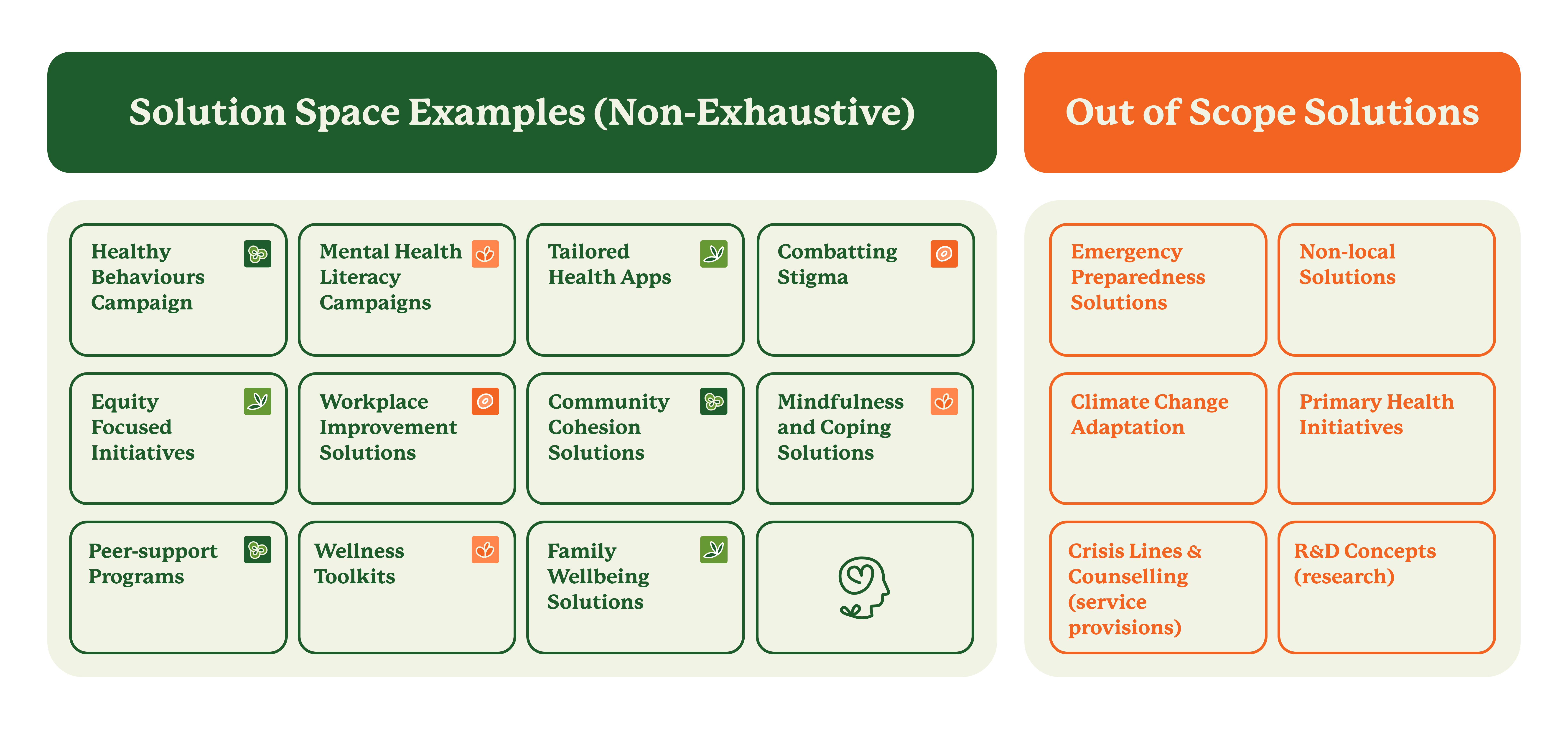
Solution space examples (non-exhaustive): healthy behaviours campaign, mental health literacy campaigns, tailored health apps, combatting stigma, equity focused initiatives, workplace improvements solutions, community cohesion solutions, mindfulness and coping solutions, peer-support programs, wellness toolkits, family wellbeing solutions.
Out of scope solutions: emergency preparedness solutions, non-local solutions, climate change adaptation, primary health initiatives, crisis lines and counselling (service provisions), R&D concepts (research).
** The Producer Mental Wellbeing Initiative should not duplicate existing services and supports offered by or are the responsibility of other government jurisdictions. In addition, proposals of pure research in any discipline will not be considered.
Who can Apply?
The Producer Mental Wellbeing Initiative is open to for-profit or not-for-profit organizations and individuals registered to do business in Canada. Specifically, you can apply if you are:
- Businesses or other for-profit organizations incorporated in Canada;
- Not-for-profit organizations incorporated in Canada;
- Producers, producer organizations and associations within Canada;
- Indigenous (First Nations, Métis, Inuit) individuals, organizations or groups of individuals located in Canada;
- Individuals or groups of individuals based in Canada; and
- Collaborations between one or more of the above categories of applicants.
Eligible applicants must be legal entities (such as a registered business, corporation or a not-for-profit organization) capable of entering into legally binding agreements in Canada.
Underrepresented and marginalized groups in Canadian agriculture — including women, youth, persons with disabilities, racialized persons, visible minorities, 2SLGBTQI+ communities, and official language minority communities are encouraged to apply.
Please be sure to review the Applicant Guide in detail before preparing and submitting your solution application.
Key Dates
Stage 1: Concept Design
- Online application period opens on March 6, 2025
- Online application deadline – June 17, 2025, at 2:00 PM Eastern Time.
- Semi-Finalists Announced – Fall 2025
Stage 2: Proof of Concept
- Deadline – Summer 2026
- Finalists Announced – Fall 2026
Stage 3: Implementation
- Deadline – Fall 2027
- Grand Prize Winners Announced – Spring 2028
Process & Prizes
Stage 1: Concept Design
June 17, 2025
Call for applications: March 6, 2025
Applicants with an innovative way to promote mental wellbeing and/or address stressors contributing to mental health challenges among producers across Canada are invited to apply to the Initiative.
Up to 20 Semi-Finalists will receive up to $50,000. Semi-Finalists will be announced in Fall 2025. The deadline to apply is June 17, 2025, at 2:00 PM Eastern Time.
Stage 2: Proof of Concept
Summer 2026
Up to 10 Finalists will be selected to receive up to $100,000 each and support to develop a proof of concept/pilot of their solution. Finalists will be announced in Fall 2026.
Stage 3: Implementation
Fall 2027
Projects will be evaluated based on impact, user feedback, and their potential for wider application.
Up to 2 Finalists with the most impressive results will each receive up to $500,000 each and become Grand Prize Winners. Grand Prize Winners will be announced in Spring 2028.
Jury

Andrew Campbell
Full bio
Strathroy, Ontario
President, Bellson Farms Inc.; President, Fresh Air Media Inc.; Partner, UTENSIL.ca
Andrew is a multifaceted agricultural professional based in Strathroy, Ontario, where he and his family operate Bellson Farms Inc., a dairy and grain farm. The farm, established by his grandfather in the 1960s, has evolved to incorporate advanced technologies such as robotic milking systems and automated feeding processes, reflecting Andrew's commitment to innovation in agriculture. Beyond his farming endeavors, Andrew is the founder and president of Fresh Air Media Inc., a communications firm specializing in agriculture. Andrew is also a partner at UTENSIL.ca, a Canadian agri-tech initiative aimed at enhancing agricultural vocabulary and training. UTENSIL.ca provides resources to help the agriculture sector communicate more effectively, fostering better understanding and collaboration within the industry.
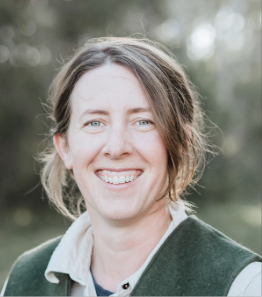
Lydia Carpenter
Full bio
Belmont, Manitoba
Partner, Farm Family Coach Inc.; Owner/Operator, Luna Field Farm
Lydia Carpenter is a dedicated farmer, facilitator, and advocate for sustainable agriculture based in Belmont, Manitoba. As the co-owner and operator of Luna Field Farm, she and her partner, Wian Prinsloo, manage a cattle grazing operation and beef business. They also raise some hogs and hens. In addition to her farming endeavors, Lydia is a partner at Farm Family Coach Inc., where she utilizes her expertise in business, natural resources management, conflict management and facilitation to assist farm families with transition planning, conflict resolution, and communication strategies. Her work focuses on facilitating conversations that support the long-term viability of family-run farms and ranches.
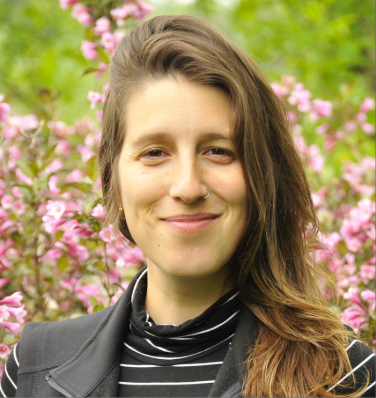
Martine Fraser
Full bio
St-Adelphe, Quebec
Farmer wellness worker, Au cœur des familles agricoles
Martine Fraser is a dedicated farmer wellness worker for Au cœur des familles agricoles in the Mauricie region in Quebec. Raised on a dairy farm, she has a strong connection to agriculture and understands the unique challenges faced by farmers. She travels throughout the region to provide psychosocial support to farmers and their families, offering compassion and understanding in difficult times. Whether as a psychosocial worker, a columnist for La Terre de chez nous, or a presenter and speaker, Martine has shown a deep commitment to farmers’ well‑being.

Roberta Galbraith
Full bio
Minnedosa, Manitoba
Partner, RNR Galbraith Farms Ltd
Roberta is a dedicated agricultural professional and community leader based in Minnedosa, Manitoba. Roberta is a 5th generation farmer. She, her husband Neil and two sons own and operate RNR Galbraith Farms Ltd., an 8200-acre grain, pulse and oilseed operation established in 1989. Their farming practices emphasize sustainability through zero-till cropping systems and meticulous soil and water resource management. Roberta is deeply committed to community service. She has been an active volunteer and board member of various organizations over the years, including the Minnedosa Rotary Club, Agriculture Financial Standards Working Group, past board member of Farm Management Canada and currently Vice Chair of the Manitoba Farmer Wellness Program. Additionally, she has supported initiatives like the Manitoba Farm Safety Program and STARS Air Ambulance. Roberta is an advocate for leadership and change, and embraces new opportunities.

Gerry Friesen
Please note: Gerry Friesen’s role pertained only to Stage 1 of the PMWI.
Full bio
La Salle, Manitoba
The Recovering Farmer
Gerry, known as "The Recovering Farmer," is a mental health advocate, author, and conflict resolution specialist with over two decades of experience in agriculture and stress management. Raised on a poultry and grain farm near Wawanesa, Manitoba, he co-purchased the family farm in 1983, expanding into hog production. His memoir, The Recovering Farmer: A Journey through the Labyrinth of Anxiety and Depression, published in 2024, chronicles his personal struggles with mental health and his journey toward recovery. The book serves as both a memoir and a resource, offering insights and tools for others facing similar challenges. He emphasizes the importance of open dialogue and support, stating that talking about mental health is a crucial first step toward healing. Gerry was a co-founder of the Manitoba Farmer Wellness Program and now serves as their Chief Administrative Officer. He has also been involved with farm debt mediation for the last 25 years.

Briana Hagen
Please note: Briana Hagen’s role pertained only to Stage 1 of the PMWI.
Full bio
Oakbank, Manitoba
Chief Executive Officer and Lead Scientist, Canadian Centre for Agricultural Wellbeing
Briana is a leading voice in Canadian agricultural mental health. As the Chief Executive Officer and Lead Scientist at the Canadian Centre for Agricultural Wellbeing (CCAW), a role she has held since the organization's inception, she combines academic research with real-world solutions, co-creating programs alongside farmers to build resilience and break down barriers to mental health support. Briana’s work spans policy advocacy, educational programming, and crisis support systems, all grounded in the lived realities of farmers. She maintains a professional affiliation with the University of Guelph's Ontario Veterinary College, where she previously conducted research and co-developed the "In the Know" mental health literacy program for farmers.

Lesley Kelly
Please note: Lesley Kelly’s role pertained only to Stage 1 of the PMWI.
Full bio
Watrous, Saskatchewan
Farmer, Evergreen Woodcreek Farms; Co-founder and Director, The Do More Agriculture Foundation; Director, Sask Wheat
Lesley is a grain farmer, mental health advocate, and co-founder of the Do More Agriculture Foundation. She is widely known for her efforts to bridge the gap between urban and rural communities, especially through her blog “High Heels and Canola Fields”, her co-hosting role on the “What the Farm” podcast, and her advocacy for mental wellness in agriculture. Lesley spent the past 8 years or so working to raise awareness and reduce stigma around mental health in agriculture. Not only has she shared her own experiences but has also walked alongside countless farmers and families navigating the unique challenges that come with rural life and farming pressures.

Jolene MacEachern
Full bio
Debert, Nova Scotia
Director of Strategy, Dalhousie University; Co-Owner, Folly River Farms Ltd.
Jolene is a dedicated dairy farmer and agricultural professional based in Debert, Nova Scotia. She co-owns and operates Folly River Farms Ltd., a 300-acre, 130-cattle dairy farm. In addition to her farming endeavors, Jolene has been actively involved in agricultural innovation and research. She currently serves as the Director of Strategy at Dalhousie University. In this capacity, she plays a pivotal role in advancing the university's strategic initiatives, particularly within the Faculty of Agriculture. Jolene’s involvement in agriculture, from hands-on farming to leadership in agricultural innovation, underscores her dedication to advancing the industry and fostering sustainable farming practices.
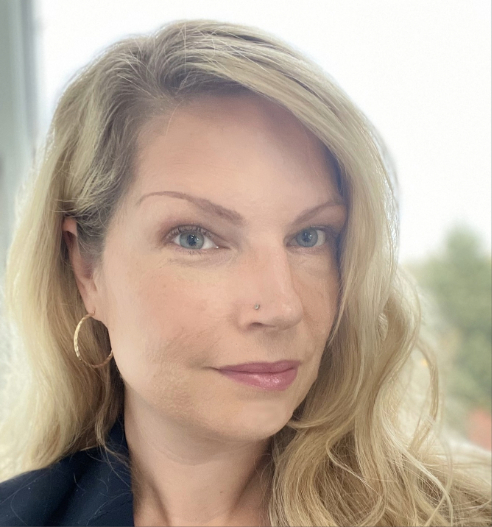
Rebecca Purc-Stephenson
Full bio
Camrose, Alberta
Professor, University of Alberta; Founder & Lead Researcher, agwellAB
Rebecca is a professor and applied social psychologist at the University of Alberta, with over 15 years of experience studying occupational stress and mental health in rural and agricultural communities. She is the founder and lead researcher of Agricultural Well-Being in Alberta (agwellAB), an initiative that develops evidence-based resources to support mental health and resilience among producers in Alberta. Growing up, her family had horses and raised sheep, and she worked as a laborer at a large turkey operation. Drawing upon her professional and personal background, Rebecca studies ways to support farmers' mental health and build resilient rural communities. She was also a co-founder of AgKnow, the Alberta Farm Mental Health Network.

Himadry Singh
Full bio
Saskatoon, Saskatchewan
Marketing and Success Manager, Ground Truth Agriculture
Himadry is the Marketing and Success Manager at Ground Truth Agriculture Inc., a pioneering agtech company based in Saskatchewan. In this role, she develops and executes marketing strategies, builds brand awareness, and leads customer education initiatives to ensure users derive maximum value from the company's automated grain grading technology. Beyond her role at Ground Truth Agriculture, Himadry brings over 4 years of experience in agricultural mental health, having worked as Marketing and Communication Manager at The Do More Agriculture Foundation. Here she developed and executed impactful marketing strategies, expanding communications to reach nearly 1.5 million people while advocating for the importance of mental health in agriculture. Her diverse involvement underscores her commitment to advancing the agricultural sector through innovation and community engagement.

Kylie Stokes
Full bio
Logy Bay, Newfoundland and Labrador
Mental Health & Safety Coordinator, AgriCare NL
Kylie serves as the AgriCare NL Coordinator at the Newfoundland and Labrador Federation of Agriculture (NLFA). She has experience as a crisis counselor, clinical therapist, career counselor, developmental behaviorist, and program facilitator. In her current role, Kylie leads the NLFA's Mental Health, Wellness & Safety Program AgriCare NL, which aims to enhance mental health awareness and provide agriculturally informed support to farmers and those involved in the agricultural sector in Newfoundland and Labrador. A key initiative under her leadership is AgriCare Wellness Services, a free, confidential farmer wellness network that offers counseling and resources tailored to the unique needs of the agricultural community, organized through the Canadian Centre for Agricultural Wellbeing (CCAW). Kylie is also actively involved in organizing workshops and events focused on mental health and safety in agriculture, such as "In the Know" and Mental Health First Aid workshops in collaboration with The Do More Agriculture Foundation. Through these efforts, she strives to break down the barriers that keep farmers from accessing affordable, reliable, and ag-informed mental health care, and support resilience within the farming community by addressing their unique mental health challenges and safe work practices.
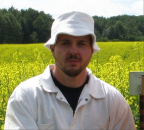
Lee Townsend
Full bio
Parkland County, Alberta
Vice President, TPLR Honey Farms Ltd.
Lee is a commercial beekeeper at TPLR Honey Farms Ltd., a family-owned apiary based in Parkland County, Alberta. Lee, along with his wife Elise, works alongside his parents to manage the farm's operations. In addition to his work on the farm, Lee has been actively involved in the broader agricultural community. Through his work at TPLR Honey Farms and his advocacy in the agricultural sector, Lee Townsend plays a significant role in promoting sustainable beekeeping practices and ensuring the quality of honey production in Alberta.

Alison Weaver
Full bio
Lloydminster, Alberta
Owner, Fourth Meridian Farms Ltd.; Creator and Owner, Navigate
Alison is a multifaceted agricultural entrepreneur and community advocate based in Lloydminster, Alberta. As the owner of Fourth Meridian Farms Ltd., she and her husband, Garnet, operate a fifth-generation mixed farm that includes grain, cattle and horses. Their farm is known for its commitment to sustainable practices for the farm and everyone who works with them on the farm. In addition to her farming responsibilities, Alison is the creator and owner of Navigate, a comprehensive day planner designed specifically for rural women and those in agriculture. Alison's passion for agriculture extends to her active involvement in community initiatives: the 4-H program, United church groups, university groups, and so on. Through her work on the farm, her entrepreneurial endeavors, and her community engagement, Alison exemplifies leadership and dedication to promoting resilience in agriculture and rural communities.
Stay Connected
If you have a question or are seeking a clarification about the Producer Mental Wellbeing Initiative, let us know at: aafc.PMWI-IBMP.aac@agr.gc.ca
Join the conversation and get the latest updates on the Initiative:
- X
By telephone
Telephone (in Canada): 1-877-246-4682
Telephone (outside Canada): 1-204-926-9650
TDD/TTY: 613-773-2600

Results
Semi-finalists
Organization | Project description |
AgSafe Agriculture Association(Langley Twp., BC) | AgBuddy is a digital platform connecting farmers who may be experiencing the impact of social isolation and providing an opportunity to learn about mental health support to address these impacts. |
Ameno Wellness Society(Halifax, NS) | Producer's Ally provides long-term support as a wellness companion, transforming farm management into an empowering, continuous journey for the multigenerational farm family. |
Ampere(Lindsay, ON) | Ampere will co-design the GrowWell digital hub, a culturally-grounded mental wellbeing and resiliency hub for Indigenous farmers/producers that will integrate wellness-focused resources, including articles, videos, podcast episodes, and infographics. |
Canadian Black Farmers Association(Mission, BC) | Roots of Resilience is a culturally grounded, web-based mental wellness program designed to support Black, African, and Caribbean (BAC) farmers in Canada. |
Canadian Centre for Agricultural Wellbeing(Cannington, ON) | Farm Crisis Liaison Program (FARM-CLiP) introduces trained crisis liaisons who understand both farming and mental health to support producers during agricultural crises and connect them to the help they need while providing psychological support. |
Canadian Mental Health Association, BC Division(Vancouver, BC) | The Canadian Mental Health Association, BC Division, will expand its evidence-based Living Life to the Full (LLTTF) program for use with Canadian producers and develop a new program tailored to meet producers’ needs. Both programs will train trusted members within farming communities to deliver accessible, culturally relevant mental health support designed to strengthen resilience and promote well-being among producers across Canada. |
Deep Rooted Media Inc.(Toronto, ON) | Deep Rooted is a documentary about the mental health crisis in agriculture. |
East Prince Agri-Environment Association(Kinkora, PEI) | Farm Well PEI connects farm families with a dedicated wellness navigator who can guide them to the right mental health and support services when and where they need them. |
Farm Management Canada(Ottawa, ON) | Grow Through It delivers a national campaign and personal development program that reframes stress as valuable feedback, and an aspirational call to action. |
Farm Safety Nova Scotia(East Mountain, NS) | The Nova Scotia Farm Relief Worker Program will create a trusted, province-wide network of skilled farm relief workers who can step in when needed, allowing farmers to take time away from the farm for rest, recovery, or personal needs. |
Findora(Montreal, QC) | Findora is developing a comprehensive digital front door powered by AI, designed to help Canadian producers access trusted mental health resources and personalized local support in one place. |
kk Design Co.(Carrying Place, ON) | Grounded is a 5-minute farm meditation series that are quick, farm-friendly mindfulness exercises designed for farmers to do anywhere on the farm, helping them feel more present, reduce stress, and sharpen focus without feeling like a 'chore'. |
Ag Care Connect (part of Life Voice Canada)(Elora, ON) | AgCare Connect provides Canadian farmers and producers with practical, agriculture-specific tools for peer support, proactive safety planning, and meaningful mental health conversations. |
Loft32(Guelph, ON) | Groundworks will empower farm families with effective communication and financial skills while integrating mental well-being supports to help them navigate succession. |
National Farmer Mental Health Alliance(Courtright, ON) | BeFarmWell is a mental health app co-designed with agricultural producers, offering easy access to practical tools, local resources, and support tailored to the everyday realities of farming and ranching life. |
Okérico(Standbridge East, QC) | Okérico is a digital application for phones and tablets designed to promote mental health, support mental well-being and prevent psychological distress among farmers through a practical and unique solution. |
Stigma-Free Mental Health Society(Victoria, BC) | Rural Minds Matter is a grassroots program that supports farmers and producers by reducing mental health stigma and building community connections through trusted, peer support training and digital tools. |
The Do More Agriculture Foundation(Saskatoon, SK) | Hay Are You OK? will pull together two separate Canadian producer self-check-in tools into one Canada-wide option, supporting producers across Canada to take a moment to check their mental health, like producers check battery levels and gas in the tank. |
Université de Montréal(Montreal, QC) | The team will co-adapt a stress management training program, tailored with every interested producer group under a ‘nothing-about-us-without-us’ approach, to empower Canadian producers to recognize and effectively manage their stressors. |
University of Saskatchewan(Saskatoon, Saskatchewan) | SaskAgBuddy is a farm-culture-informed app that tracks physical and mental symptoms using wearables to monitor one’s stress (e.g., heart rate variability, sleep), with a chatbot offering emotional support, coping tools, and crisis guidance. |














Apply
Who can apply
- Businesses or other for-profit organizations incorporated in Canada;
- Not-for-profit organizations incorporated in Canada;
- Producers, producer organizations and associations within Canada;
- Indigenous (First Nations, Métis, Inuit) individuals, organizations or groups of individuals located in Canada; and
- Individuals or groups of individuals based in Canada.
In order to receive funding, applicants are required to be a Canadian legal entity (such as a company or a corporation or a not-for-profit organization) capable of entering into binding agreements in Canada or establish one.
Prizes
- $50,000
Up to 20 prizes of up to $50,000 open to all eligible applicants who submit a Stage 1 proposed concept application. - $100,000
Up to 10 prizes of up to $100,000 open to all semi-finalists participating in Stage 2. - $500,000
Up to 2 grand prizes of up to $500,000 open to all finalists participating in Stage 3.
Note: The number of winners and prize amounts may vary depending on the applications received.
Key Dates
Stage 1: Concept Design
- Application Deadline: June 17, 2025, at 2:00PM Eastern Time
- Semi-Finalists Announced: Fall 2025
Stage 2: Proof of Concept
- Deadline: Summer 2026
- Finalists Announced: Fall 2026
Stage 3: Implementation
- Deadline: Fall 2027
- Grand Prize Winners Announced: Spring 2028
Last modified: 2026-07-15