
Aqualunar Challenge
Purifying Moon Water: Supporting Human Exploration on the Moon, and Beyond
Introduction
Stage 3 results are in! 🎉
The Grand Prize Winner has been selected and will win $400,000 to continue advancing their lunar water purification technology.
Transcript
Sustaining a long-term human presence on the lunar surface comes with many difficulties, including increasing access to usable water and propellant.
At 480 million kilometers away from Earth, more ambitious space exploration missions to Mars and even beyond will require the need for space-based resources.
Water, a critical resource both on earth and in space, can be used as both usable water, and can be split into hydrogen and oxygen to be used as propellant for rockets, but there is evidence that it contains several contaminants that currently make it unusable.
That’s why the Canadian Space Agency and Impact Canada are launching the Aqualunar Challenge. We are looking for ideas and solutions that will support filtering or purifying water on the Moon which may also support advancements in novel water purification technologies here on earth.
The Challenge aims to minimize energy consumption and engage in resource recovery to support long-term human presence on the lunar surface and support a circular lunar economy.
To learn more, visit impact.canada.ca.
Water - a critical resource on Earth and in space - is necessary to support future human space exploration. It is very likely that water exists on the Moon, but it contains contaminants. Removing the current known contaminants from Moon water to grow food and provide propellant and drinking water would not only help support human space exploration, it could also help advance water purification technologies here on Earth.
Canada is going to the Moon. With this return to the lunar surface, we must find sustainable ways to support long-term space missions.
Interested UK applicants may refer to the website for more information on how to register and apply to the Challenge.
The Challenge
Problem Statement
With humankind returning to the Moon later this decade, purifying the water that exists in lunar regolith (soil) is critical to enabling more ambitious space missions. Using lunar water-as drinking water, to grow food, to create oxygen and to split into hydrogen and oxygen for rocket fuel- is a key enabler for supporting future deep space exploration.
Data suggests that large quantities of water may exist in permanently shadowed regions near the lunar south pole. But this water contains a number of contaminants preventing its use unless it is purified.
Challenge Statement
The Aqualunar Challenge is calling Canadian innovators to create innovative technologies for use on the Moon to purify lunar water. These technologies may also contribute to novel water purification technologies here on Earth.
The Challenge is a project of international collaboration between the United Kingdom and Canada, with joint but distinct tracks for each of the UK and Canada. This website relates to the Canadian Challenge.
In Canada, the Challenge is organized and delivered by the Canadian Space Agency in partnership with the Privy Council Office’s Impact Canada program, situated within the Impact and Innovation Unit.
In the UK, the Aqualunar Challenge is delivered by Challenge Works on behalf of the UK Space Agency. If you are a UK Applicant looking to apply, learn more and apply here.
Challenge Stages and Key Dates
Stage 1- Concept Design: Challenge launched on January 17, 2024. Applications are open until April 8, 2024 at 11:59 pm Pacific Time. Teams will provide a detailed explanation of how their solution meets the Challenge objectives, Mission Scenario and judging criteria. Up to 8 Canadian Semi-Finalists with the most promising Concept Design report will receive $22,500 each in the Summer of 2024 and move on to Stage 2 of the Challenge.
Stage 2- Proof of Concept: Beginning in June of 2024, semi-finalists selected in Stage 1 will move on to Stage 2 of the Challenge, where they will begin developing the key components of their prototypes based on their concept design (equivalent to a TRL3). Semi finalists will be expected to submit video footage to demonstrate their systems or components of their systems. In Spring of 2025, up to 4 Canadian semi-finalists will receive $105,000 CAD each to move on to become Stage 3 finalists.
Stage 3- Prototype Scaling: At this stage, selected Finalists will have 10 months to integrate the components of their prototypes (minimum TRL 4+)2 starting in Spring of 2025. Finalists will demonstrate their systems and have their outputs tested, and the Grand Prize Winner of the Aqualunar Challenge will receive $400,000 CAD in Spring of 2026.
Note: The number of winners and Canadian prize amounts may vary depending on the applications received. For each stage, prize amounts will not be less than the amount per winner indicated above.
Who can apply to the Challenge?
Eligible Applicants to the challenge include the following:
- Businesses or other for-profit organizations in Canada;
- Not-for-profit organizations in Canada;
- Indigenous organizations and groups located in Canada;
- Post-secondary/academic institutions located in Canada; and
- Individuals or groups of individuals based in Canada.
Individuals or groups of individuals are encouraged to submit an application to the challenge, but in order to be eligible to receive prizes, they will be required to establish a Canadian legal entity (such as a corporation or a not-for-profit organization) capable of entering into binding agreements in Canada.
Interested UK Applicants may refer to the Challenge Works website for more information on how to register and apply. Please review the Applicant Guide in detail to confirm your eligibility before preparing and submitting your concept application.
Mission Scenario
The Mission Scenario describes the long-term use case that you will be competing for to deliver the best technology to.
During the Challenge, applicants won’t be going to the Moon: you will be creating concept design (in Stage 1) a proof of concept (in Stage 2), then prototypes (Stage 3) of water purification technologies.
We understand that, during the Challenge, applicants will not develop a technology that is ready to meet all of these constraints. But we are looking for your concept design, and subsequent proof of concept and prototype to take these objectives into account as much as possible.
The Mission Scenario outlines information about the hypothetical environment in which your technology would operate on the Moon. It also outlines the circumstances leading to the acquisition of the water sample you need to purify and what it is expected to contain. The scenario lists environmental factors and technology specifications, which act as constraints and decision points for you to base your design on.
The Mission Scenario is based on a real-world mission on the lunar surface and represents the ultimate goal for Moon water purification technologies. You won’t be expected to have all the assumptions tested but you should consider the implications of these assumptions and factor these into your design.
Mission Scenario
Your team’s technology has been ferried to the Moon onboard an uncrewed spacecraft and has touched down near the rim of Shackleton Crater, near the Lunar South Pole.
Inside the crater, buried in the regolith (soil) is ice.
There’s a large regolith mining operation taking place in the permanently shadowed area of the Shackleton Crater. A separate subsystem is then doing an initial processing of the regolith, leaving dirty ice.
This is primarily frozen H2O but is also contains varying levels of Hydrogen Sulfide (H2S); Ammonia (NH3); Carbon Monoxide (CO); Ethylene (C2H4); Sulfur Dioxide (SO2); Methanol (CH3OH); and Methane (CH4) and a small amount of solid regolith particles left over in it.
You can assume that you are located next to this processing operation, or a short distance away from a permanently shadowed area if your process requires it.
Your technology must take this dirty ice and reliably produce at least one litre per hour of clean drinking water.
The lunar conditions you need to take into account include:
- The low and fluctuating temperatures present in your chosen location (within or outside the Shackleton Crater).
- The presence of highly abrasive regolith particles.
- The low gravity on the Moon (1/6th of Earth gravity).
- The lack of any atmospheric pressure.
In addition, you need to take into account the technical constraints of a lunar lander, including:
- Minimizing power consumption.
- Minimizing physical dimensions.
- Minimizing mass.
- Design for robustness to G forces in launch and landing.
- Robustness to radiation and solar wind.
- There will be no human intervention available to monitor, service or operate this technology.
Process & Prizes
-
Stage 1- Concept Design
April 8, 2024
Applicants will be required to submit an online application through the Impact Canada Platform, which provides a description of how their solution meets the challenge objectives, Mission Scenario, and judging criteria by April 8, 2024. At this stage, applicants are competing for $22,500 CAD in grant funding and the opportunity to become a Semi-Finalist entering into Stage 2 of the Challenge.
-
Stage 2- Proof of Concept
June 2024
In Stage 2, Semi-finalists will begin developing components of a prototype based on their concept design (TRL 3). Semi-finalists will be expected to submit video footage to demonstrate their system or components of their system and will provide a final report that outlines how their technology meets the judging criteria listed. Semi-finalists are competing for $105,000 CAD in grant funding and the opportunity to become a Finalist entering Stage 3 of the Challenge.
-
Stage 3- Prototype Scaling
Spring 2025
In Stage 3, Finalists will be expected to integrate components of their prototype at a minimum TRL of 4+. Finalists will demonstrate their systems and have their outputs tested. Finalists will be required to submit a final report that outlines how they meet the judging criteria as well as a solution adoption plan for their systems. Finalists at this stage are competing to become the Grand Prize Winner who will receive $400,000 CAD in grant funding.
-
Canadian Grand Prize Winner Selected
Spring 2026
A Canadian Grand Prize Winner will be selected from the Finalists and will be announced in Spring 2026
Up to 8 Prizes of $22,500 CAD
Open to all eligible innovators submitting a Stage 1 Concept Design
Up to 4 Finalists of $105,000 CAD
Open to all semi-finalists participating in Stage 2
1 Grand Prize Winner at $400,000 CAD
Open to all finalists participating in Stage 3
Note: The number of winners and the prize amounts may vary depending on the number of applications received. For each stage, prize amounts will not be less than the amounts indicated above.
The Aqualunar Challenge is a project of international collaboration between the United Kingdom (UK) and Canada, with joint but distinct tracks for each country. This website relates to the Canadian Aqualunar Challenge.
In Canada, the Challenge is organized and delivered by the Canadian Space Agency in partnership with the Privy Council Office’s Impact Canada program, situated within the Impact and Innovation Unit.
In the UK, the Aqualunar Challenge is delivered by Challenge Works on behalf of the UK Space Agency. If you are a UK Applicant looking to apply, learn more here: aqualunarchallenge.org.uk/.


Jury
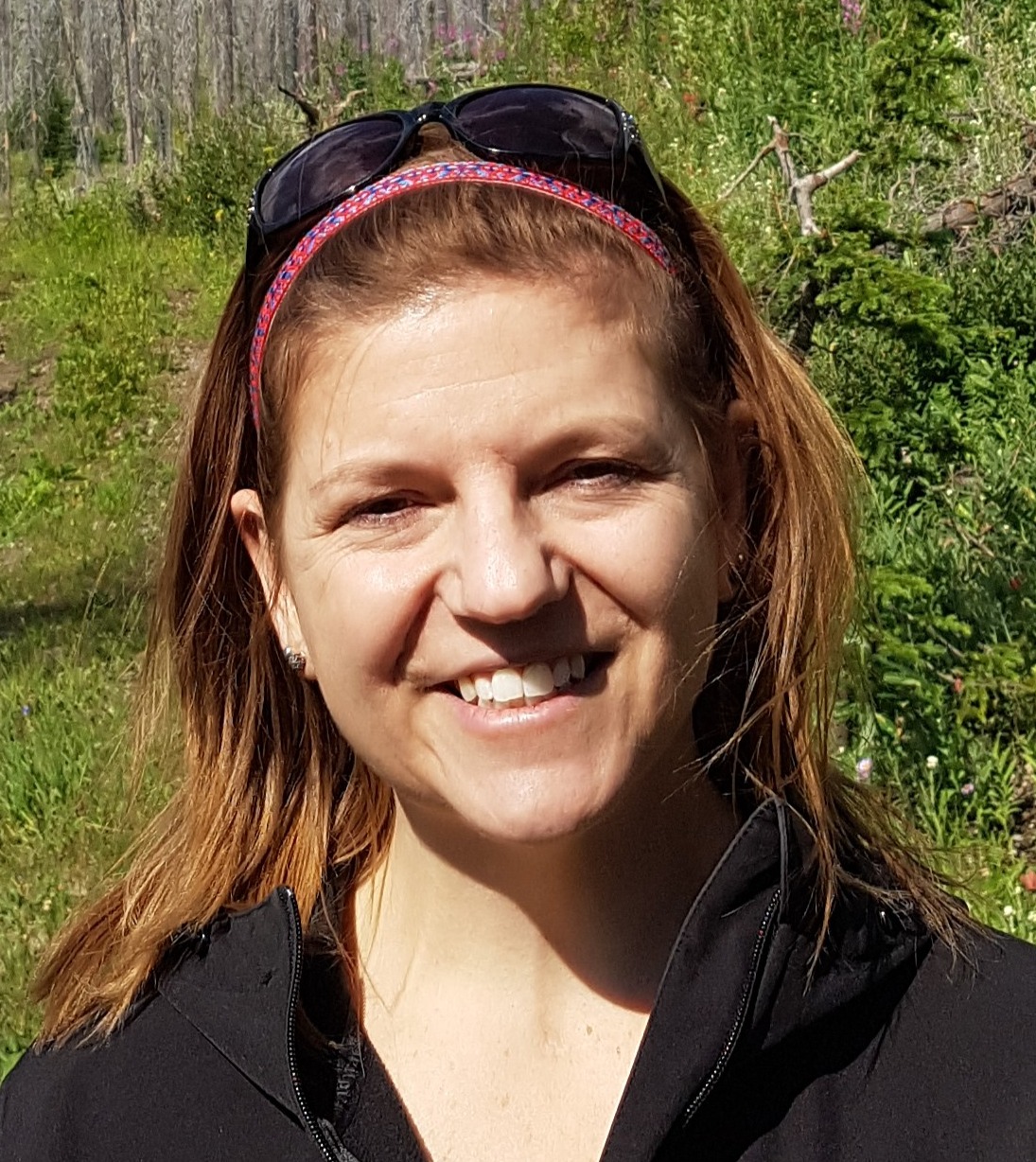
Dr. Monica Emelko
-
Full bio
Monica Emelko is a Professor and the Canada Research Chair in Water Science, Technology & Policy at the University of Waterloo in Canada. She is a Professional Engineer and a Fellow of the Canadian Academy of Engineering. Dr. Emelko holds chemical and environmental engineering degrees from MIT, UCLA, and the University of Waterloo. Her research on water treatment and risk analysis has informed water regulations globally. She has worked on wildfire and its implications to drinking water treatment since 2004. Her team was the first globally to describe wildfire effects on drinking water treatability and received the Canadian Council of the Federation Award of Excellence in Water Stewardship in 2014. They assisted as first responders helping with water treatment response and re-entry risk management during and after the wildfire in Fort McMurray in 2016 and received a citation from the Premier for service to the province. Monica is the Scientific Director of “forWater” a Canada-wide and internationally partnered research network focused on maximizing benefit from concurrent forest management-based approaches for drinking water source protection and enhanced resilience in water treatment, operations, and risk management.

Dr. Konstantin Volchek
-
Full bio
Konstantin is a research engineer and head of the Water Management Section at CanmetMINING, Natural Resources Canada. He and his team work on the development, evaluation, and demonstration of technologies for treating aqueous streams generated in the mining industry. Konstantin's research focuses on critical mineral recovery, efficient mining practices, and climate change mitigation (carbon sequestration).

Dr. Madjid Mohseni
-
Full bio
Madjid Mohseni (PhD, PEng) is a Professor in the Department of Chemical and Biological Engineering at the University of British Columbia. He is an expert in the area of water quality and treatment, with specific focus on novel and robust water treatment processes for the removal and degradation of emerging contaminants from drinking water supplies. His research involves laboratory scale development and investigation, as well as field evaluation of the technologies under real operating conditions at partner community sites in rural and Indigenous communities.
Madjid is the Scientific director of “Community Circle on Scaling Business Innovation for Humanity”, a non-profit organization funded by Innovation, Science and Economic Development Canada (ISED), and partners from industry, communities, government and NGOs, focusing on achieving socioeconomically and technologically sustainable outcomes in water health and well-being for Indigenous and rural communities.

Dr. Stephanie Gora
-
Full bio
Stephanie Gora is an assistant professor at the Lassonde School of Engineering at York University in Toronto where she leads the Safe and Sustainable Water Research Group. Her team’s research is focused on light-based technologies (e.g. UV, advanced oxidation, photocatalysis) for drinking water and wastewater treatment. The team also works on projects that aim to develop sustainable drinking water solutions for small, remote, and underserved communities, particularly in Inuit Nunangat. Stephanie teaches courses about drinking water, wastewater, water resources engineering, and engineering design principles. She is also a contributor to the Dahdaleh Institute for Global Health Research’s Humanitarian Water Engineering Intensive Course and the UN Global Water Academy at York. Stephanie holds a PhD from the University of Toronto and is registered as a professional engineer with Engineers Nova Scotia and Professional Engineers Ontario.
Research website:https://www.yorku.ca/lassonde/research/sswrg/

Rahim Kanji
-
Full bio
Rahim Kanji is a recognized leader in Ontario and Canada’s water innovation sector, with a nearly 20-year track record spanning a variety of roles marked by pivotal positions including Executive Director of the Ontario Water Consortium and key contributor on the boards of directors for Water for People both globally and in Canada. His expertise in strategic planning, operational management, and stakeholder engagement has significantly advanced the innovation ecosystem across Ontario and Canada while championing water access, sanitation, and sustainable development globally. Rahim combines an engineering background with a Master's in Business with a focus on entrepreneurship and technology, positioning him to align innovation with strategic business goals. His efforts have made him a key and trusted figure in addressing today's water resource challenges.

Peter Jarmics
-
Full bio
Peter Jarmics is the CEO of H2OKnow Water Group Ltd., a company specializing in water purification technologies with a focus on water distillation for residential and light commercial use. Holding degrees in History and Education from York University, he's also a certified Master NLP Practitioner with extensive certifications spanning Business, Marketing, Technology, and Education. He is passionate about education, particularly in accelerated learning methods and critical and analytical thinking, and carries this into his role as a business leader. Peter advocates for sustainable water solutions, aiming to advance both the field of water purification and responsible environmental practices.

Jennifer Crosby
-
Full bio
Jennifer Crosby is the Director of the Project Management Office for Metro Vancouver, one of the largest public utilities in Canada delivering a $20B+ water infrastructure portfolio. Her department is the centre of project delivery expertise for the organization, responsible for leading transformative organizational initiatives. She has a chemical engineering degree from McGill University and over 25 years of experience in planning, design, construction and operation of large public water infrastructure.
Jennifer’s passion for championing improved water quality is evidenced in her substantial volunteer efforts with local and international organizations, such as Water for People. She currently serves on the Advisory Board of the University of British Columbia Master of Engineering Leadership in Integrated Water Management, as well as the Utility Management Symposium for the Water Environment Federation. She is a Past-President of the British Columbia Water & Waste Association and past Director for the Canadian Water & Wastewater Association Board. After the devastating 2010 earthquake in Haiti, Jennifer was sought out to lead a challenging water project related to the recovery efforts. Jennifer has received numerous awards for her leadership, vision and contributions to the water sector and is known for leading collaborative teams to deliver on complex projects.
Born in New Brunswick, Jennifer has lived in five Canadian provinces, one American state, enjoys playing soccer in a local women’s league and travelling. She is a proud stepmother to three amazing young women now pursuing their own STEM careers in geology, biology and nursing.

Melchiorre Conti
-
Full bio
As a Space Resources Engineer for the European Space Agency at ESTEC in the Netherlands, Melchiorre supports the development of in situ research utilization-related initiatives and contribute to the creation of the European Space Resources Innovation Centre located in Luxembourg. With a background in terrestrial chemical processes, he applies his expertise towards the development of regolith-based oxygen-evolving processes geared towards a sustainable human and robotic exploration.

Lawrence Charlebois
-
Full bio
Lawrence has over 15 years of professional research engineering and consulting experience across the energy, minerals and environmental sectors. He holds a B.A.Sc. in Geological and Environmental Engineering from Queen’s University, a M.A.Sc. in Mining Engineering and Mineral Processing from the University of British Columbia as well as professional training in supply chain and operations management. He has served as Convenor and Chair for an International Standards Organization (ISO) Mining Standards Task Force and currently serves as advisor to the Canadian Standards Association Natural Resources Strategic Steering Committee. Lawrence has recently served as judge for NASA’s Break-the-Ice Lunar Challenge, a Centennial Challenge managed by NASA’s Marshall Space Flight Center and NASA’s Kennedy Space Center. As Senior Project Advisor and Initiative Manager at the National Research Council of Canada, Lawrence is currently responsible for the administration of a strategic research and development program in the Clean Energy Innovation Research Centre. Lawrence is a licensed Professional Engineer and Professional Geoscientist, and feels very privileged to have provided project leadership experience from the Canadian Arctic to the Australian Outback. Lawrence’s personal mission is to align people, technology and opportunity to thoughtfully develop our shared natural resources and energy supply chains for future generations, so they can do even better.

Mike Chaulk
-
Full bio
Mr. Chaulk holds a Bachelor of Biological Engineering and a Masters of Civil Engineering from Dalhousie University. He has over 20 years of experience in the field of water and wastewater treatment projects. He has extensive technical and project management experience in process engineering, specifically in the areas of drinking water supply and treatment, wastewater treatment, infrastructure project management, conceptual designs and planning, process design, membrane technologies, distribution system protection, process optimization, and pilot/small-scale water system optimization. He has managed engineering services in both design-build and P3 water treatment plant projects as well as conventional design-bid-build projects. Mr. Chaulk is a Past Chair of the Atlantic Canada Water and Wastewater Association and is an AWWA Fuller Awardee.

Dr. Meganne Christian
-
Full bio
Dr. Meganne Christian is Reserve Astronaut and Exploration Commercialisation Lead at the UK Space Agency, developing strategy on human and robotic spaceflight in the post-ISS landscape. In November 2022 she became a member of the European Space Agency astronaut reserve, one of the class of 17 candidates selected from a pool of over 22,500 applicants across Europe. She holds a Bachelor of Engineering and a PhD in Industrial Chemistry from the University of New South Wales. From 2014 to 2023 she was a materials science researcher at the National Research Council of Italy, and participated in two parabolic flight campaigns to test graphene coatings for thermal management in satellites. She has also undertaken two missions, including a winter-over, to Concordia Station in Antarctica where she was a research scientist in charge of atmospheric physics and meteorology.

Marc Guilbert
-
Full bio
Marc leads Hard Climate's ambitious project to build Cananda’s first venture studio dedicated to climate/clean tech. It is his core belief that the path to a net-zero economy must include business model innovation to accelerate the promotion of early-stage technologies to becoming impactful industrial solutions. To assist him in making his vision a reality, Marc has 20 years of experience in various sectors of finance. Previously an early-stage entrepreneur and executive, he also held finance and strategy roles in a large Canadian public company and, prior to this, was an FX derivatives trader for multinational banks. Marc holds a doctorate in theoretical physics from the University of Cambridge, a master’s in advanced mathematics and bachelor in astrophysics.

Francis Vaillancourt
-
Full bio
Francis is a water and wastewater Engineer and a subject matter expert in environment. Strategic thinker with a business acumen, he excels at solving complex problems. He has been helping cities and industries meet their needs for water quality and quantity for over 2 decades.
He studied Mechanical Engineering at the Montréal Polytechnic School and at the Monterrey Institute of Technology, Mexico. After working in construction in northern Québec and traveling to Argentina, his desire to change people’s lives pushed him to pursue a master’s degree in applied science from Montréal’s Polytechnic. There he studied water and wastewater treatment technologies and researched water disinfection by-products formation in water distribution systems.
He worked in R&D and in Montreal; improving water treatment plants performance. Then, he moved to Toronto to pursue greater challenges and continue his career in water. After travelling to Africa, the Himalayas and a career in startup, construction, and design of Water and Wastewater treatment plants, he obtained an MBA from the Sauder School of Business in Vancouver. This training helped him become an accomplished sales and business development professional.
With a deep understanding of the current and future challenges the water industry is facing, he now dedicates himself to combine business and technology to overcome those challenges. Chat with him in English, French and Spanish!

David Saint-Jacques
-
Full bio
Engineer, astrophysicist, physician and pilot, David Saint-Jacques is an astronaut with the Canadian Space Agency. He is married and has three children.
Prior to joining the Canadian space program, he was practising medicine in Inuit communities overlooking Hudson Bay.
He was selected in 2009 and joined the 20th NASA astronaut class. Upon completion of training, he held various operations, planning and support functions for NASA’s Mission Control Center and Astronaut Office.
In 2018, David flew as co-pilot of the Soyuz MS-11 rocket to the International Space Station, where he lived 204 days and worked as flight engineer and crew medical officer of Expedition 58/59. There he conducted numerous scientific experiments, performed a spacewalk and used Canadarm2 to berth a visiting spacecraft.
Results
Winner
Canadian Strategic Missions Corporation has been selected as the winner of the Aqualunar Challenge!
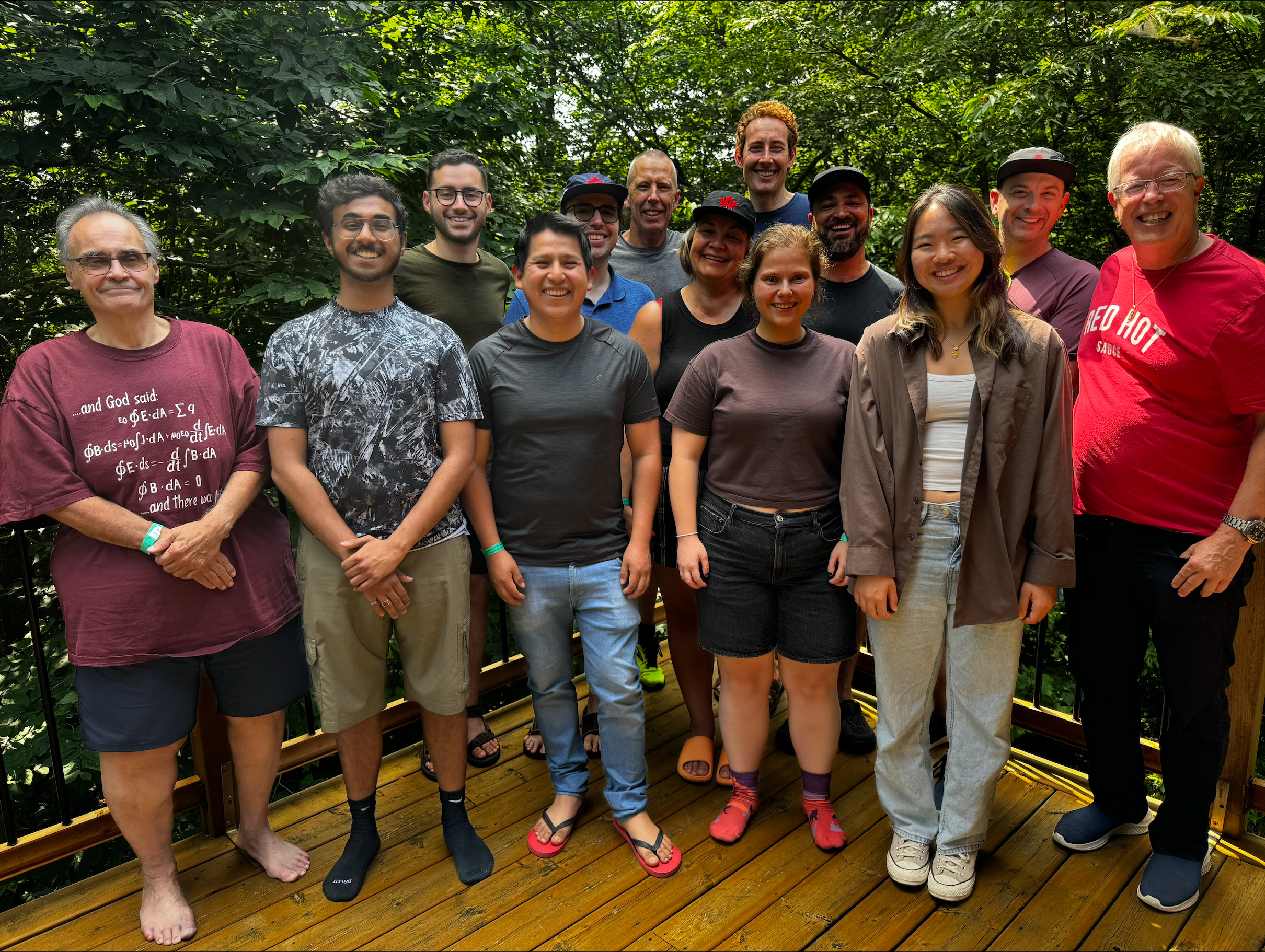
After a rigorous two-year competition, the Aqualunar Challenge, led by the Canadian Space Agency in partnership with Impact Canada, has named its grand prize winner. Canadian Strategic Missions Corporation has been awarded $400,000 in grant funding for its winning innovation. Their LunaPure technology offers a sustainable, low-maintenance system to purify water from the lunar polar regions.
As humans return to the Moon, the Aqualunar Challenge was established to enable a sustainable long-term presence by advancing innovative solutions that can provide clean, reliable water in the Moon’s harsh environment. Members of the jury were impressed by the level of innovation demonstrated by the four finalists and their remarkable capacity to design and deliver robust solutions at an accelerated pace. These solutions demonstrate strong potential to enable clean water on the Moon and drive progress toward future space exploration missions.
-
Finalists
Canadian Strategic Missions Corporation (Formerly Canadian Space Mining Corporation)
LunaPure - A sustainable system to purify lunar water from the Lunar Polar regions.
LunaPure is an entirely self-sustained system that relies on the controlled application of natural elements of the lunar environment to convert dirty lunar ice into drinkable water.
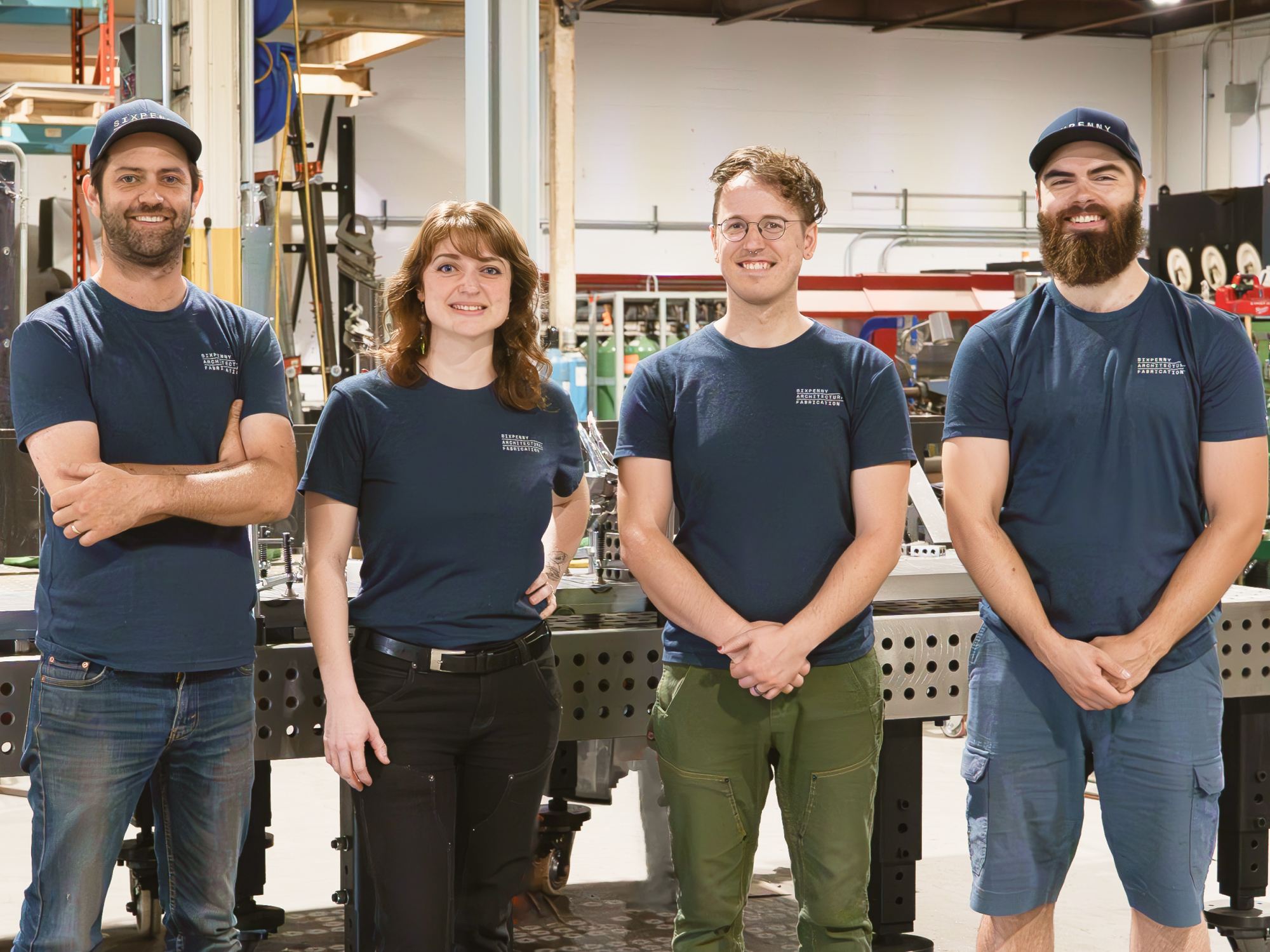
Sixpenny Architectural Fabrication
Lunarwell
Lunarwell turns dirty lunar ice into clean water with the help of sunlight and the Moon's vacuum.
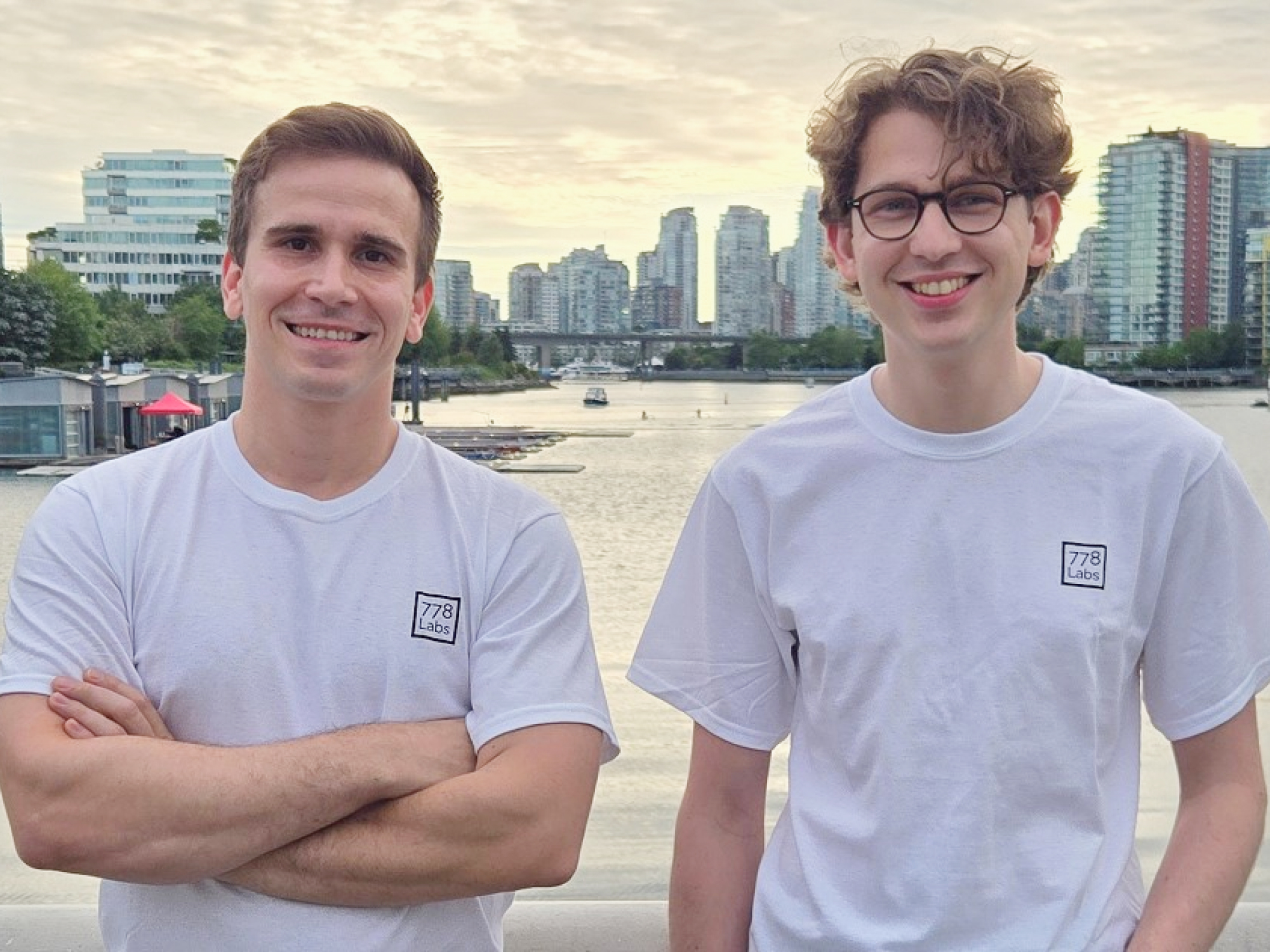
778 Labs
VDO Lunar Water Purification System
The Vaporization, Distillation, & Oxidation Lunar Water Purification System is a reliable, efficient, and highly integrated process for turning lunar water ice into clean, drinkable water.
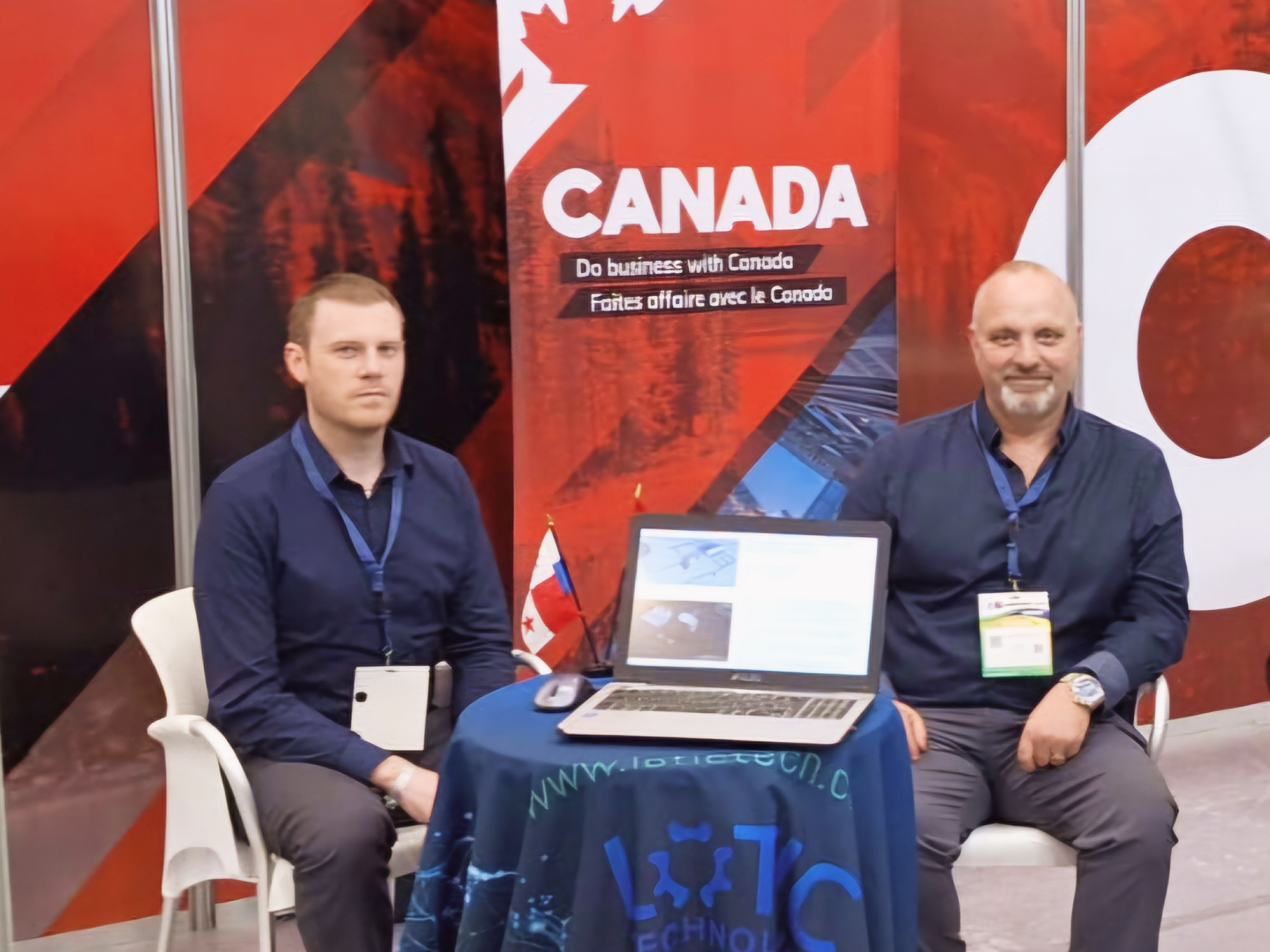
Lotic Technologies Inc.
Electro-Catalytic Advanced Oxidation Process (EC-AOP) for Lunar Water Purification
Lotic seeks to contribute its proprietary EC-AOP technology to the challenge, aiming to enhance the clarification of Lunar Water, leveraging our innovative solution for sustainable lunar exploration.
-
Semi-finalists
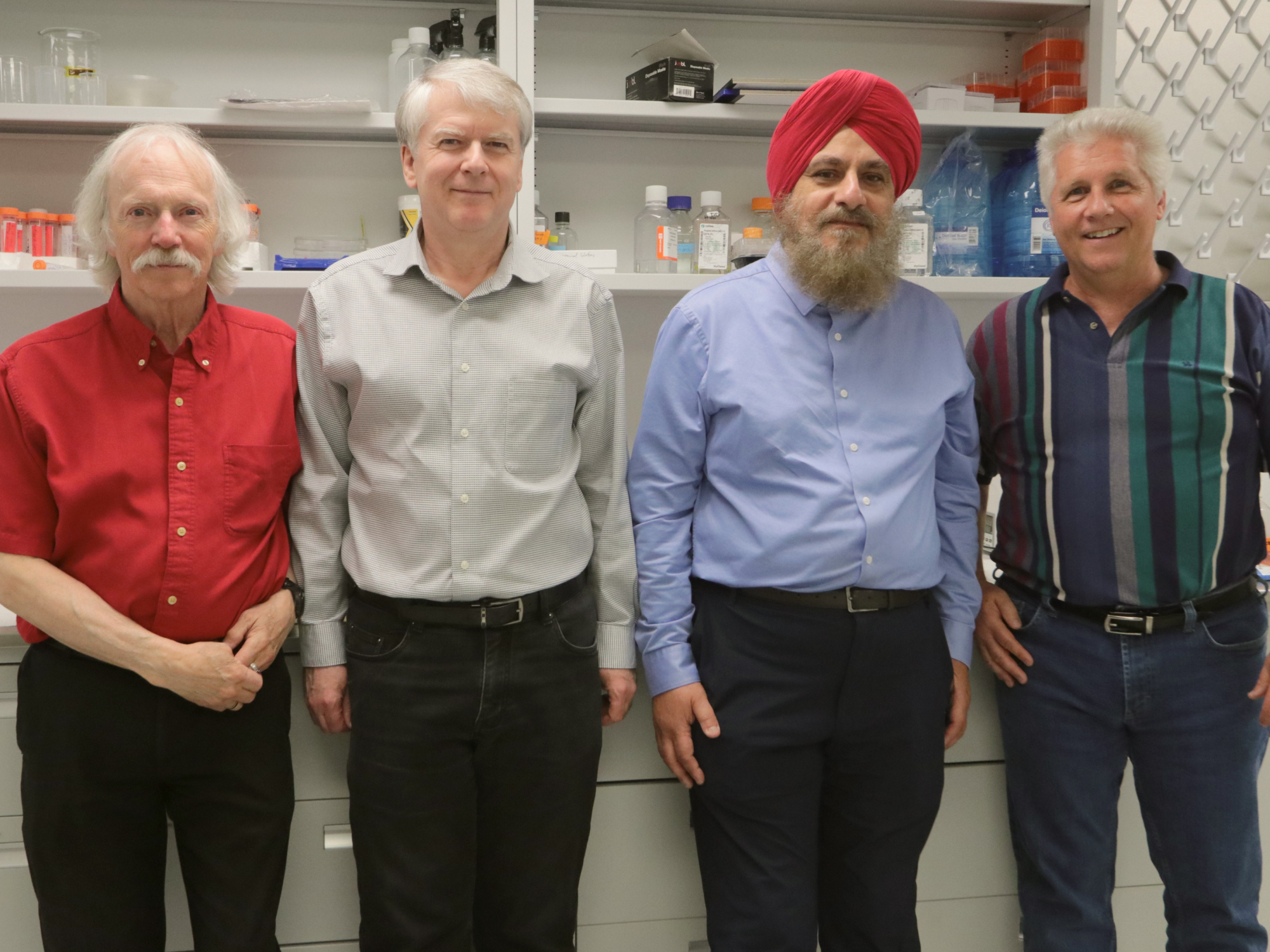
University of Calgary
Pure Water from Lunar Ice: Advancing Water Purification in Space
System to zap moon dust with microwaves, freeze out chemicals for future use and collect pure water.
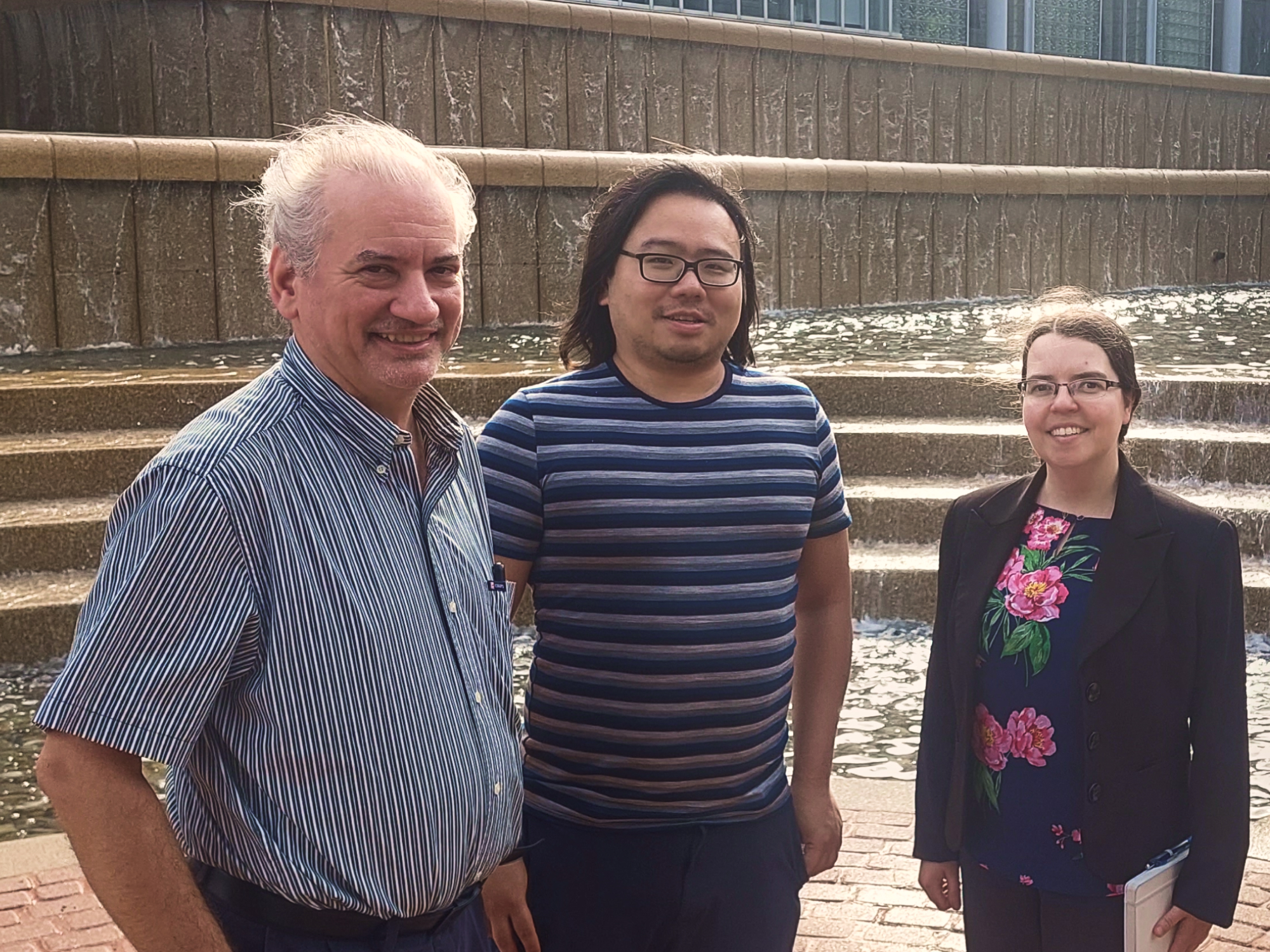
WaterPuris Inc.
Extracting and Purifying Water from Lunar Regolith: Innovating with Cold Trap and Vapour Membrane Distillation in a Autonomous Multi-Stage System
A multi-stage lunar water filtration and distillation system that purifies water from shadowed moon regions using heated domes, cold traps, and vapour-based membrane distillation.
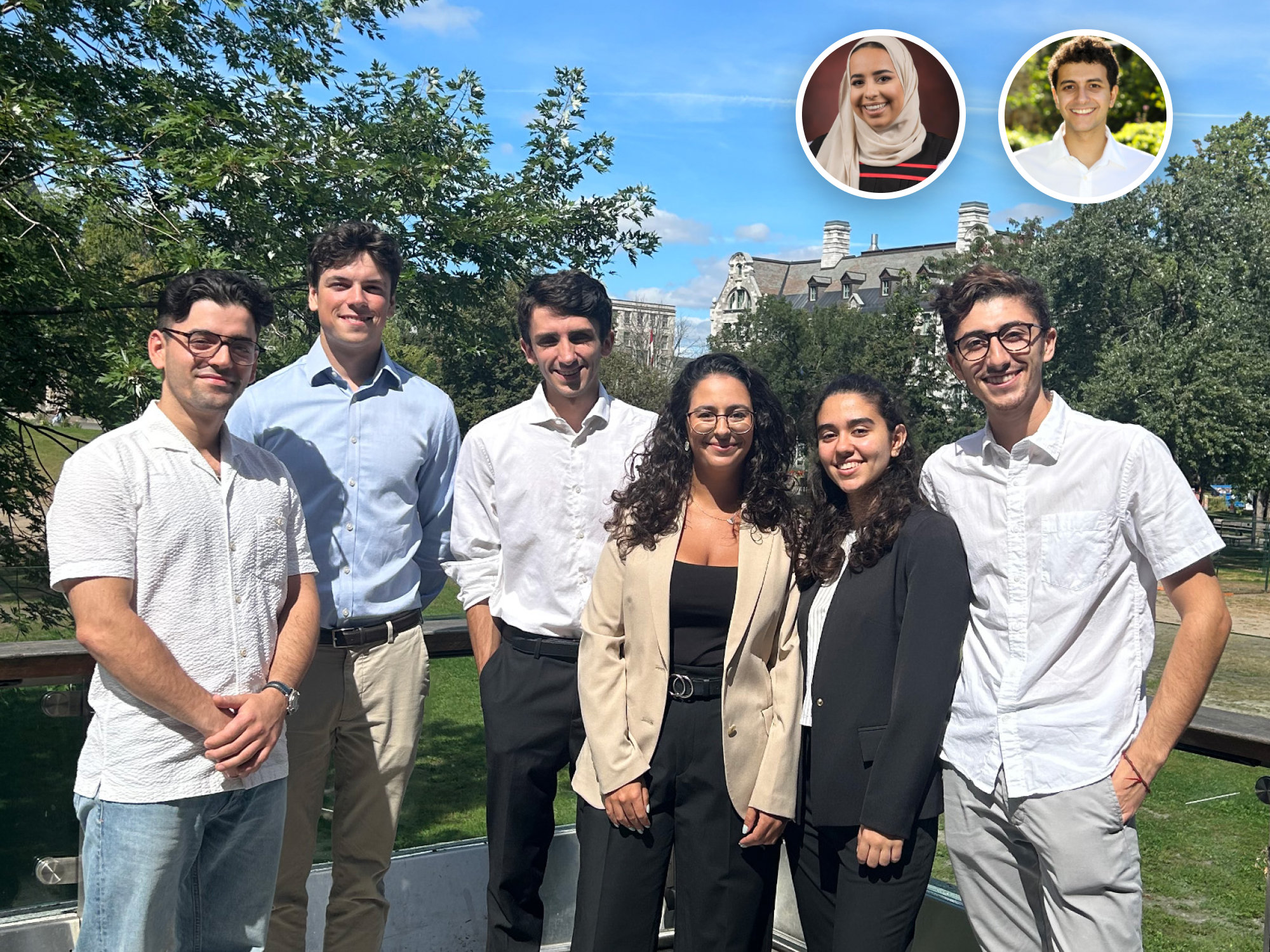
McGill Advanced bio-Regenerative Toolkit for Long Excursion Trips [MARTLET]
Polar Utilization for Future Industry Needs [PUFFIN]
Taking advantage of the extreme lunar temperatures, filtration occurs through a continuous freezing process forming clean blocks of ice.
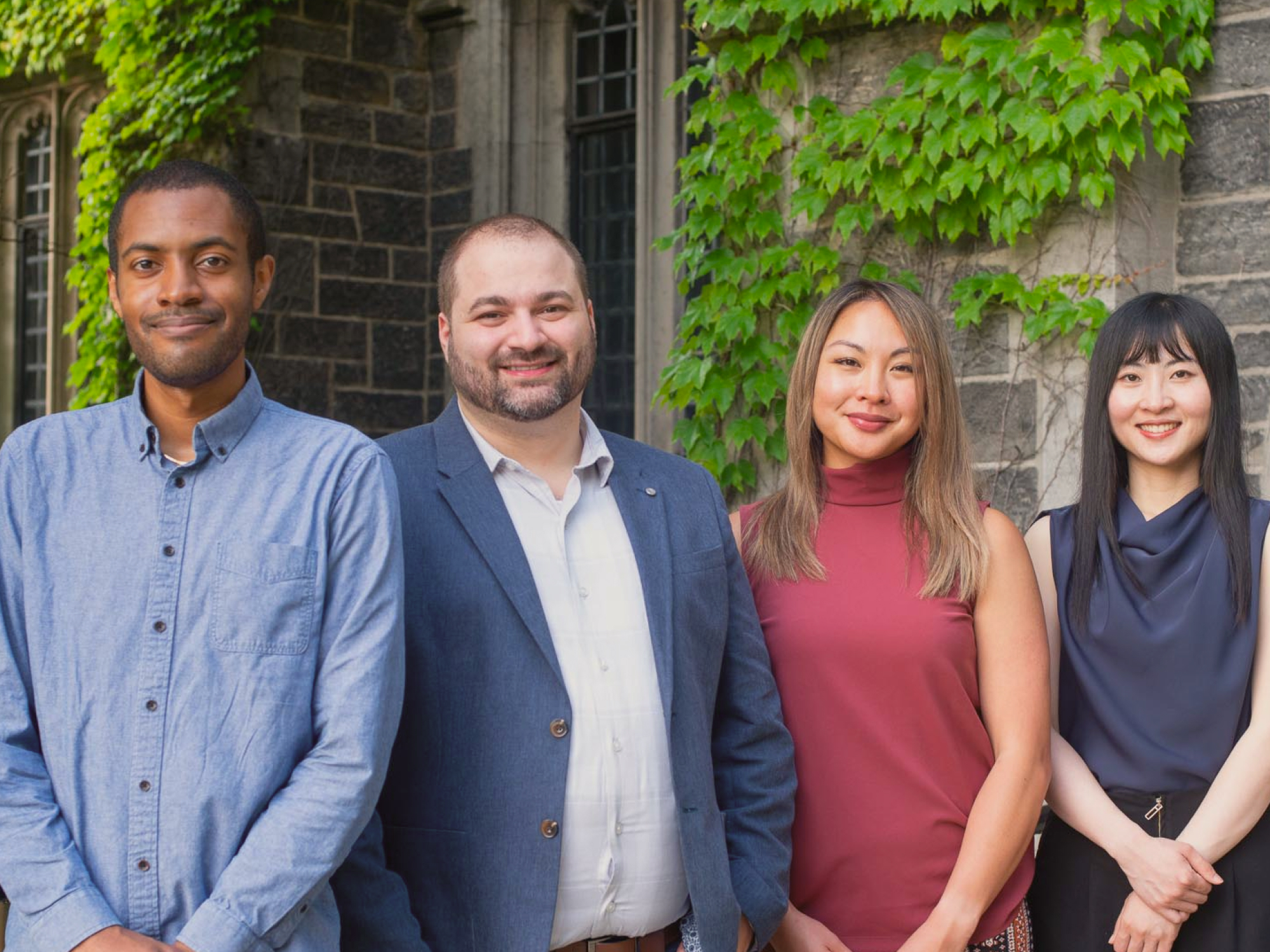
Cimbus Inc.
The Lunar Ice Water and Resource Recovery System (LIWARS)
The LIWARS is a consumable-free and microorganism-free technology, converting lunar ice to clean drinking water while recovering over 90% of removed chemicals.
Stay connected
Send us your questions at: defiaqualunaire-aqualunarchallenge@asc-csa.gc.ca. We will get back to you within five business days.
Challenge details
Who can apply?
Eligible Applicants to the challenge include the following:
- Businesses or other for-profit organizations in Canada;
- Not-for-profit organizations in Canada;
- Indigenous organizations and groups located in Canada;
- Post-secondary/academic institutions located in Canada; and
- Individuals or groups of individuals based in Canada.
Individuals or groups of individuals are encouraged to submit an application to the challenge, but in order to be eligible to receive prizes, they will be required to establish a Canadian legal entity (such as a corporation or a not-for-profit organization) capable of entering into binding agreements in Canada.
Key Dates
Stage 1
- Concept Design due April 8th, 2024
- Up to 8 Semi-Finalists Announced: Summer 2024
Stage 2
- Begins June 2024
- Final Reports and virtual demonstration videos due January 2025
- Up to 4 Finalists Announced: Spring 2025
Stage 3
- Begins Spring 2025
- Applications due: January 2026
Canadian Grand Prize Winner
- Announced in Spring 2026
Last modified: 2026-04-16