
Drug Checking Technology Challenge
Allow people to make more informed choices
Introduction
The results are in!
Informing through innovation
We have launched a challenge to improve on drug checking technology to allow the community of people who use drugs and those who support them to make more informed decisions based on the composition of a drug and to reduce harm.

Drug checking allows people to make informed choices
Drug checking is a harm reduction measure where people have their drugs tested to find out what's in them, including if they contain toxic substances or potent drugs like fentanyl.
A pilot drug checking program conducted by Insite in Vancouver B.C. is using test strips and other technology to identify fentanyl in illegal drugs. The pilot study observed that when people knew their drugs contained fentanyl, they were 10 times more likely to reduce the dose. This could reduce their risk of an overdose.
Another study carried out by Johns Hopkins Bloomberg School of Public Health also found that when people knew that their drugs contained fentanyl, they were more likely to change their behaviour.
An unpredictable illegal drug supply
Illegal drugs are unpredictable, with the dose, quality, and composition unknown and inconsistent between batches. Since 2016, fentanyl or fentanyl analogues are increasingly present in illegal drugs in Canada. From January to September 2017, 72% of apparent accidental opioid-related deaths involved fentanyl or fentanyl analogues, compared to 55% in 2016. Evidence suggests that people who use drugs often do not know whether or not fentanyl is present. It cannot be seen, smelled, or tasted.
Drug checking technologies come in different forms, with varying levels of reliability, and variable results that may require specialized training to interpret correctly.
What we hope to achieve with this challenge
We hope a technology challenge will encourage innovation that would allow people to more accurately determine the risks associated with drugs they consider taking, in order to provide them with the opportunity to make an informed decision about:
- not consuming or reducing intended dosage of drugs
- not using drugs alone
- having naloxone on-hand
- visiting supervised consumption or overdose prevention sites
Measures that reduce the negative effects of drugs and substances on individuals and communities, without requiring abstinence. Learn More →
The opioid crisis
Canada is in the midst of a crisis. The number of overdoses and deaths caused by opioids, including fentanyl, has risen sharply and continues to rise. In 2016, there were more than 2,800 suspected opioid-related deaths in Canada and in 2017, there were nearly 4,000 Canadian lives lost. Governments, non-government organizations, health and public safety professionals, and Canadians across the country have been responding to this crisis in an effort to save lives.
The Government of Canada is coordinating a whole-of-government approach that is grounded in compassion, collaboration, and evidence. Key actions include:
- Streamlining the application process for supervised consumption sites
- Making naloxone, a life-saving medication that can stop or reverse an opioid overdose, available without prescription
- Supporting the Good Samaritan Drug Overdose Act that came into force on May 4, 2017, which provides some legal protection for individuals who seek emergency help during an overdose
For More Information on the Opioid Crisis
- Opioids in Canada: Canadian Institute for Health Information (June 2018)
- Get the facts on the opioid crisis in Canada
- Opioids
- Opioids data, surveillance and research
- Responding to Canada's opioid crisis
- Canadian Drugs and Substances Strategy
Are you or someone you care about struggling with problematic substance use? Help is available, whether you need it for yourself, a friend or a family member.
Challenge
Challenge Statement
Create a rapid, accurate, easy to use, and low-cost testing device or instrument that can be used with minimal training and preparation work.
Who could benefit from this challenge?
- People who use drugs, to allow them to make decisions that may reduce their risk of overdose
- Peer support workers and people who work at supervised consumption and overdose prevention sites
- Emergency responders
Challenge Objectives
The objectives of this Challenge are to:
- Accelerate innovation to develop an ideal drug-checking device or instrument to be used in a controlled environment (e.g. supervised consumption sites, overdose prevention sites, public health centres, etc.)
- Provide more valuable information to people who use drugs and those who support them, so they can make informed choices, which can help lower the risk of overdose deaths.
- Increase uptake of drug-checking services with the goal of providing better and more valuable information to people who use drugs.
Judging Criteria
The concept, instrument or combination of technologies will be judged according to the following criteria:
- Accuracy/Reliability: Provides consistent and reliable results with as few false results as possible.
- Sensitivity: Able to detect the presence of as many substances as possible, including:
- Fentanyl and fentanyl analogues, even in trace amounts (i.e., highly sensitive as demonstrated by a low limit of detection for specific opioids)
- Various other opioids
- Adaptable: Adaptable to detect additional/unknown substances, including non-opioid substances
- Speed: Able to provide results quickly.
- Affordability: Priced for broad deployment in resource-limited environments.
- Ease of use: Useable by the general population with minimal training, minimal sample and device/instrument preparation work.
- Suitability/Portability: Suitable for use in front line service delivery environments, and preferably portable.
- Quantification: Able to provide quantity or relative quantity of each component in a sample.
- Non-destructive: To the extent possible, not consume, destroy or contaminate with reagent any part of the drug sample tested.
- Robust: Secure and resistant to malfunction.
- Networked: Able to record and produce reports on data on the prevalence of different types of drugs, and ‘bad batches’.
- Consultation: Developed in consultation with end users.
- Adoption: Planned adoption for broad deployment among intended end users.
- Prototype: The project work plan should aim to produce a functional prototype that can be tested by July 2019.
Eligibility Criteria
The Challenge is open to any for-profit and not-for-profit organizations such as companies, industry associations, Indigenous organizations and research associations, as well as post-secondary institutions.
Only the selected semi-finalists will be able to compete for the pilot phase and grand prize.
Timeline
Please visit the Process page for details on the challenge timeline.
Authorization required
Under the Controlled Drugs and Substances Act (CDSA), the unauthorized handling, possession, production, transfer or transport of controlled substances is prohibited. Therefore challenge applicants will need to possess an authorization under the CDSA to be protected from criminal charges.
For information on how to apply for authorization under the CDSA, please contact hc.exemption.sc@canada.ca and include the information that your application is to support your participation in the Drug Checking Technology Challenge.
General terms and conditions
Applicants to the Challenge agree to the following when submitting their application:
- Applicants agree to comply with all applicable laws.
- Applicants must be able to demonstrate ownership of/or permission to use any intellectual property (IP) used in the Challenge.
- Applicants may be asked to share their IP with the judging panel in order to complete the final judging.
- All prize amounts are in Canadian dollars.
- Applicants must demonstrate respect towards people who use drugs and those that support them throughout the Challenge process.
- Applicants must be willing to undergo any required training to work with people who use drugs and those that support them, if they will be interacting with them directly or will be working in a supervised consumption site or overdose prevention site during the Challenge.
- The Minister of Health has the sole discretion to cancel this Challenge or any part thereof at any time.
Process & Prizes
The following timeline may change during the challenge.
-
Consultation Phase Opened
July 17th, 2018
-
Consultation Phase Closed
August 17th, 2018
-
Challenge Launched
October 2nd, 2018
-
Application Deadline
February 1st, 2019
-
First-Stage Screening: Up to 10 applicants chosen
April 2019
-
Incubation Period
April to September 2019
Selected applicants further develop prototypes
-
Second-Stage Screening: Up to 5 finalists chosen
December 2019
-
Pilot-Phase
January 2020 to December 2020
Prototypes piloted
-
Grand Prize Winner Announced
Spring 2021
Prizes
$1M
Grand Prize Winner
The grand prize winner will receive an estimated prize of $1,000,000 to further develop and build their product.
$100k
Up to 5 Finalists
Applicants chosen after the second-stage screening (selected from the semi-finalists) will receive an estimated prize of $100,000 to pilot their prototypes.
$25k
Up to 10 Semi-Finalists
Applicants chosen after the first-stage screening (up to 10) will receive an estimated prize of $25,000 to further develop their prototypes.
Applicants are encouraged to solicit additional funds from other resources.
Jury
Transcript
I agreed to join the panel as a judge I think because our family's been personally impacted by the by this crisis and we lost our son in 2013. So, I wasn't just agreeing to it but it was a it was a privilege to do it so knowing that we could have make a difference and have an impact for other families.
The drug-testing challenge, what it means to me is saving lives. You know having an impact, a big impact, in terms of saving lives.
It's the first time I think Health Canada has done this where there's kind of financial incentive for people to do it so we talk about the million-dollar prize, but I think what we're not talking about is just the way government has moved on this like the barriers they've taken down the risks they've taken. So, I think that's really important right if we can make this work who knows there would be a lot more opportunities for change.
Transcript
My name is Rick Lees I'm the executive director of Main Street project in Winnipeg.
My organization works with very marginalized people dealing with addiction and mental health.
This particular challenge interests me because it would bring to the frontline the ability to do drug testing and save lives.
I really hope that this challenge as we move through stage two into stage 3 and ultimately the successful applicant to the final award, will bring a drug testing right to the front line. Take it out of the labs and take it out of the technical side of things and help a population that's struggling around opioids use, and addiction to become more informed. And I think with information also becomes a way for people to then move towards treatment.

Steve Cody, Chair
CEO Marketplace Studio
-
Full bio
Steve is an Ottawa entrepreneur, currently working as the CEO of Marketplace Studio. Steve Cody is a father of five children, husband to a terrific wife, and papa to two very cool grandkids. Steve and his wife lost their son Nicholas to drugs in 2013. After seeing Sharon and Tony House's passion and commitment to help others through Kaleidoscope of Hope*, Steve knew that he wanted to be a part of this journey helping others in his community. He is extremely touched that he can have a direct impact on the mental health, drug awareness, and education of children.

Rick Lees
Executive Director of Main Street Project
-
Full bio
Rick Lees is the Executive Director of Main Street Project. With over 25 years of community health experience, Rick is an advocate for marginalized populations through his various positions as Director of Organizational Development with Sherbourne Health Centre; Director of Programs and Services with the Toronto People with AIDS Foundation (TPWA) and Director of Corporate Services with Street Health, Toronto.

Alexandra de Kiewit
Advocate for community work | Cofounder of the Canadian Association of People Who Use Drugs (CAPUD)
-
Full bio
Alexandra de Kiewit is an advocate for community work since 2010 and works with people who use drugs and sex workers. She cofounded the Canadian Association of People Who Use Drugs (CAPUD). Alexandra is also an instructor at the Institute for the Development of Positive Leadership (IDLP) in Quebec and is a member of CATIE’s Board of Directors.

Rob Boyd
Oasis Program Director at the Sandy Hill Community Health Centre
-
Full bio
Rob Boyd has been working in the field of mental health, substance use disorder and homelessness in Ottawa for nearly 30 years. He started at the Salvation Army Youth shelter in 1990, then moved on the YMCA/YWCA to manage their housing programs before becoming the Oasis Program Director at the Sandy Hill Community Health Centre in 2004. Originally a walk in medical clinic with a drop in and limited outreach capacity, Rob and the team at Sandy Hill CHC have expanded services to respond to the changing needs of people who use drugs in Ottawa.

Stéphanie Lessard
Laboratory specialist for the Regulatory Operations and Enforcement Branch of Health Canada
-
Full bio
Stéphanie Lessard is a laboratory specialist for the Regulatory Operations and Enforcement Branch of Health Canada since 2018. She is part of the Drug Analysis Service’s Research and Science Development Team. Prior to this, Stéphanie worked as a medicinal chemist in the pharmaceutical industry for 8 years. She obtained her M.Sc. degree in organic chemistry at the University of Alberta in 2009. After her career debut in drug discovery, she is now involved in projects related to the opioid crisis and drug abuse, as well as to innovative approaches for drug analysis.

Dr. Roman Szumski
Senior Vice-President of Covid Vaccine Acquisitions, Public Health Agency of Canada
-
Full bio
Dr. Roman Szumski is currently on assignment with the Public Health Agency of Canada as Senior Vice-President of Covid Vaccine Acquisitions. Previously, he was Vice-President of Life Sciences at the National Research Council since July 2005. A medical doctor and pathologist by training, Dr. Szumski is recognized as a visionary leader and an innovative manager with unique experience in building strategic public-private sector partnerships in the life sciences sector. He was the founding CEO of Calgary Laboratory Services, and more Vice-President (Science & Technology) of MDS Inc.

Dr. Mark Lysyshyn
Medical Health Officer, Vancouver Coastal Health
-
Full bio
Dr. Mark Lysyshyn works for Vancouver Coastal Health as a Medical Health Officer and the medical lead for the health authority’s harm reduction programs. He is co-leading the health authority response to the overdose emergency and has been investigating drug checking as a potential response to the crisis. He is a specialist in Public Health and Preventive Medicine and Internal Medicine and has worked as an Addiction Medicine physician at St. Paul’s Hospital in Vancouver. He is also a Clinical Assistant Professor at the University of British Columbia School of Population and Public Health.

Dr. Shahab Shahnazari
Director, Innovation Challenges, MaRS Partnerships
-
Full bio
Dr. Shahab Shahnazari leads MaRS' Innovation Challenges practice which works with governments, agencies, foundations and private sector organizations to engage the global community in the identification and testing of novel concepts, methodologies and products that can address organizational innovation gaps and needs. He holds a B.Sc. in Biochemistry from McMaster University and a Ph.D. in Molecular Genetics from the University of Toronto.

Malcolm Birbeck
Community Representative, Lived Experience, Harm Reduction
-
Full bio
Malcolm Birbeck is a representative of the community for which this challenge is aimed to help. His lived experience has led him to work in many roles within the harm reduction community. He has worked in community health centers, with research projects for Ottawa University (I-Track), and he is an active advocate for harm reduction services and approaches. Malcolm is currently employed as a Community Worker in Ottawa, where he works on the front lines of the deadly toxic drug supply epidemic. His experience has led him to have a passion for finding innovative ways to help his community out and, hopefully, decreasing the amount of unnecessary deaths. Previously, Malcolm worked in the Aerospace and Automotive industries as a certified quality Technician/Auditor, certified by ASQ with a Metrology/Statistical background for 25 years. He also enjoys working on various fine wood projects in his free time.

Ashley Smoke (Stage 3)
Indigenous Services, Lived Experience, Harm Reduction
-
Full bio
Ashley Smoke is an Indigenous Woman from Alderville First Nation's living in Brampton, Ontario. She has a diploma in Community and Justice Services and does lots of work in Harm Reduction and Indigenous Services. Ashley also does advisory work for various research projects around people who use drugs and does advocacy at Regional, Provincial and National levels. Ashley does this work from a place of living expertise and is driven by the experiences she has had throughout the years as someone who uses drugs and has accessed harm reduction services herself such as methadone and safe supply. Ashley has a one-and-a-half-year-old son named Austin and does this work in hopes that his future can be bright and so he won't have to bury his friends at the same rate as well as to commemorate all those friends, family, coworkers and clients that have been lost during the opioid crisis.
Results
Scatr has been selected as the winner of the Drug Checking Technology Challenge!
Based on the recommendation from the judging panel, the Government of Canada is pleased to announce Scatr as the winner for the Drug Checking Technology Challenge with a grand prize of $1,000,000 for developing, amongst other criteria, an innovative, easy to use and accurate technology that can quickly identify the contents of drugs, helping to address the increasingly toxic illegal drug supply.
Thank you to the judging panel, as well as all of the finalists and semi-finalists for their work and dedication to address the opioid crisis.

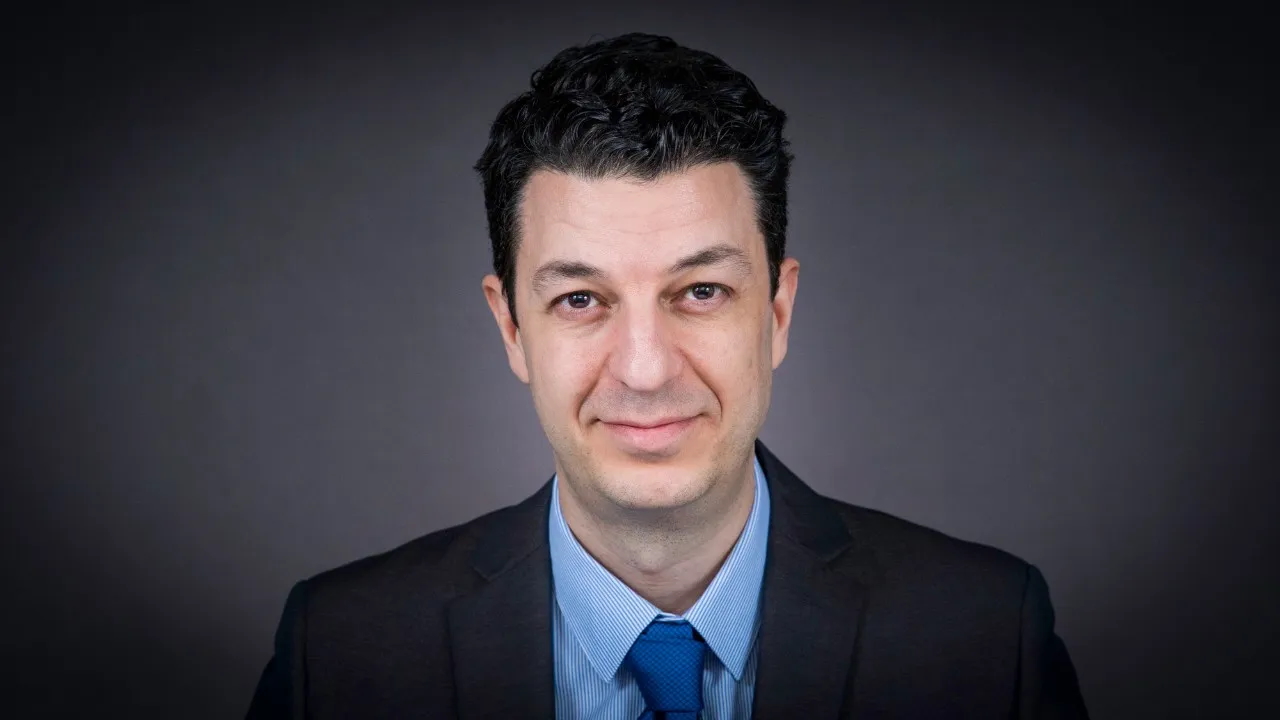
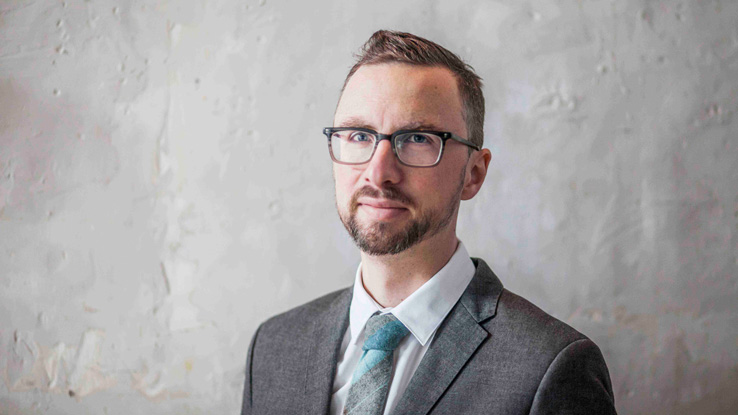
Alexander Boukin and Ari Forman
Scatr Series One
Scatr
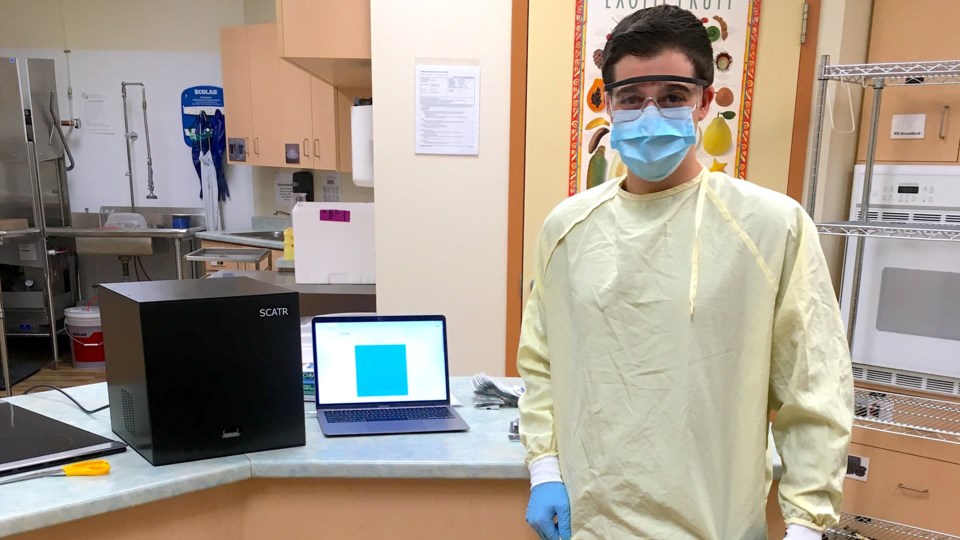
Alex Boukin and Ari Forman (Ontario) are developing a cutting-edge dual spectrometer that will challenge the standard for overdose prevention. By obtaining and analyzing both Raman and Near-Infrared spectra, the device will provide instant, real-time reporting on the identity and concentration of drug mixtures and their analogues. Utilizing a cloud-based machine learning infrastructure, the Series One will continuously update itself to reflect a constantly increasing sample size and the latest in spectroscopy science. The data will be presented in a user-friendly interface designed for health workers in the field without the need for chemical analysis training.
Finalists

Malcolm Eade
Handheld Raman with Amplifi Trace Drug ID Kit
Spectra Plasmonics
Spectra’s solution allows precise identification of the components present in a substance, including what cutting agents and fentanyl analogues are present, in a process that is as portable and simple to use as a test kit. The combination of speed, ease of use, and detailed results also enables proactive measures to be taken with regional drug strategy groups by offering near-real time data on substances in the community.

Dr. Dan Werb and Dr. Drew Hall
A smartphone-based drug checking technology and data dissemination tool
DoseCheck Technologies
Dan Werb and Drew Hall are developing a smartphone-based portable drug checking technology to detect toxic adulterants in street drugs. The device uses non-destructive electronic interrogation of the sample and then transmits data to an app for analysis that provides users with quantitative information about their drug sample. This information is then aggregated to provide information about trends in the composition of the street drug market. Because the technology employs disposable sensors, it can be continually adjusted to account for the emergence of new adulterants and toxic chemicals in the street drug supply.
Alexander Boukin and Ari Forman
Scatr Series One
Scatr
Alex Boukin and Ari Forman (Ontario) are developing a cutting-edge dual spectrometer that will challenge the standard for overdose prevention. By obtaining and analyzing both Raman and Near-Infrared spectra, the device will provide instant, real-time reporting on the identity and concentration of drug mixtures and their analogues. Utilizing a cloud-based machine learning infrastructure, the Series One will continuously update itself to reflect a constantly increasing sample size and the latest in spectroscopy science. The data will be presented in a user-friendly interface designed for health workers in the field without the need for chemical analysis training.
Semi-Finalists
| Lead Applicant | Organization | Proposal Title |
|---|---|---|
| Dr. Dao Hinh Nguyen | Scintrex Trace Corp. | Improvement of GC-SID for the detection of Fentanyl and Fentanyl Analogs |
| Gavin W. Huang | 5Bay Healthcare | PANOS Drug Detector |
| Dr. James Wylde | Greenlight Analytical Inc. | Advanced Narcotics Analyzer for Field Applications |
| Dr. Chris Gill | Applied Environmental Research Laboratories – Vancouver Island University | HarmCheck: Rapid, Quantitative Opioid Drug Checking by Paper Spray Mass Spectrometry (PS-MS) |
| Malcolm Eade | Spectra Plasmonics | Raman-based Drug Analysis System |
| Dr. Jean-Francois Masson | Université de Montréal | SERS instrument for counting molecules in injectable drugs |
| Alexander Boukin and Ari Forman | Scatr | Scatr Series One |
| Dr. Dan Werb and Dr. Drew Hall | DoseCheck Technologies | A smartphone-based drug checking technology and data dissemination tool |
| Dr. Jeffrey C. Smith and Dr. Lynne E. Leonard | Department of Chemistry, Carleton University and School of Epidemiology and Public Health, University of Ottawa | Determining Presence and Concentration of Opioids in Drug Samples Using Novel Rapid Non-Invasive Portable Mass Spectrometry Technology |
Stay connected
Send us your questions at: iiu-uii@pco-bcp.gc.ca.
Apply
Who can apply
Open to any for-profit and not-for-profit organizations such as companies, industry associations, Indigenous organizations and research associations, as well as post-secondary institutions.
Funding
- Up to 10 Semi-Finalists will receive an estimated prize of $25,000 to further develop their prototypes.
- Up to 5 Semi-Finalists will receive an estimated prize of $100,000 to pilot their prototypes.
- A grand prize winner will receive an estimated prize of $1,000,000 to further develop and build their product.
Key Dates
- Challenge Launch: October 2nd, 2018
- Application Deadline: February 1st, 2019
- First Selection Phase - Semi-Finalists Announced: April 2019
- Incubation Period: April to September 2019
- Second Selection Phase - Finalists Announced: December 2019
- Pilot-Phase: January 2020 to December 2020
- Grand Prize Announced: Spring 2021
Important resources
Publications


Media




Last modified: 2025-01-26