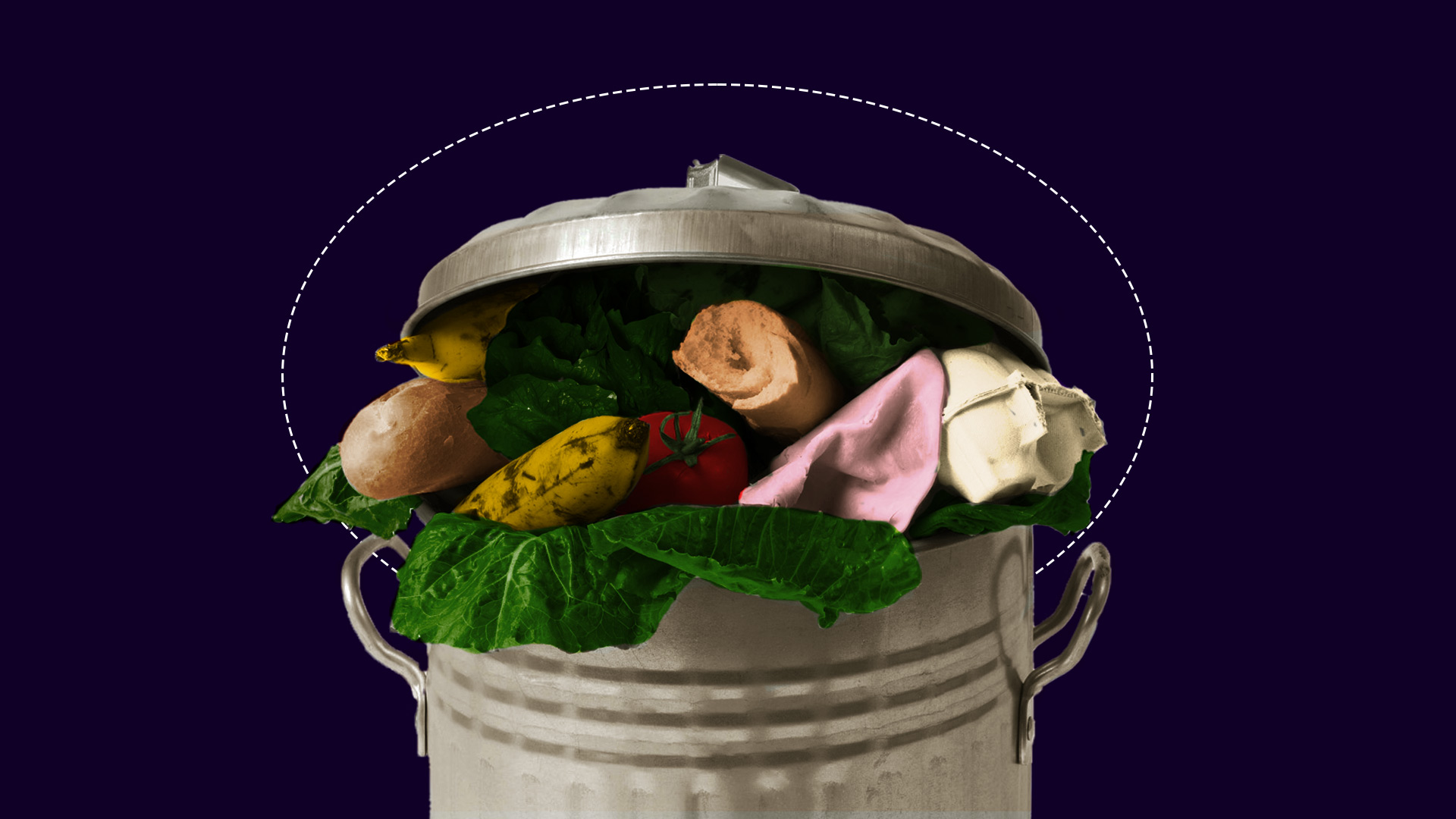
Food Waste Reduction Challenge: Business Models
Reduce food waste, fight climate change, and strengthen our food systems
Introduction
The results are in!
Transcript
[Rhythmic, upbeat music starts.]
[Assembly line workers pack boxes of tomatoes. Potatoes tumble down a ramp.]
Minister Marie-Claude Bibeau: Do you have an idea that can reduce food waste?
[Cookies are pushed down an assembly line. Glass bottles are filled on spinning racks. Foil-wrapped packages are brought up an automated ramp.]
Well, share your project…
[Minister Marie-Claude Bibeau addresses the camera from her kitchen. Text appears beneath her.]
Text on screen: The Honourable Marie-Claude Bibeau, Minister of Agriculture and Agri-Food
… to the Government of Canada Food Waste Reduction Challenge.
[People work on their computers from home.]
The most innovative concepts…
A woman in a mask presents an idea to a small audience. A woman presents a project while on a video call. A group of masked workers brainstorm together.]
… will compete for a chance to win up to $2 million in prize money.
[A woman working on her computer receives exciting news and cheers.]
We are looking for solutions that are high impact…
[Restaurant and factory workers use tablets to brainstorm. A factory worker watches piles of chips go by on an assembly line.]
… innovative and transformative…
[Factory workers operate with new technologies.]
… ready to scale up…
[A farmer and an engineer in a safety vest walk past rows of crops. Cut to shots of large farm fields from above.]
… good for our environment…
[Trucks harvest potatoes from fields. Cut to an aerial view of a suburban neighbourhood.]
… and beneficial to our communities.
[A tractor makes its way down a dirt field. Text appears next to it.]
Text on screen: The facts are clear
Facts are clear. In Canada, over half of our food supply goes to waste.
[An animation of half of a circle appears. More text appears next to it.]
Text on screen: Over ½ of our food supply is wasted.
And yet, one out of every seven Canadian households live with food insecurity.
[A graphic of a house pops up. More text appears next to it.]
Text on screen: 1/7 households live with food insecurity.
[A montage of Canadian truckers, farmers, scientists, and citizens smile at the camera. The last woman holds a Canadian flag.]
Canadians told us loud and clear that reducing food waste should be part of the first-ever Food Policy for Canada.
[Return to Minister Bibeau addressing the camera in her kitchen.]
[A paper slides over the screen. The Food Waste Reduction cycle graphic rolls out. Text appears beside it.]
Text on screen: Visit impact.canada.ca for more details
[The cycle graphic flips, revealing the graphic of an animated clock. Ticking sounds are heard. New text appears.]
[Cut to the Canada wordmark. The rhythmic, upbeat music fades out.]
Transcript
[Animated video.]
[Cinematic music starts with piano chords, acoustic guitar and drum. Gradual build throughout.]
Narrator: This is a call to all you innovators.
[A woman slides to the left side of the screen and raises a megaphone to her mouth. A large speech bubble slides in from the right.]
[Text is revealed letter by letter.]
Text on screen: Calling all innovators! Here’s your challenge...
Narrator: We need to reduce food waste in Canada.
[The woman slides out of frame and the speech bubble takes the full screen.]
[Fresh food falls from the top of the screen and tumbles off the large text.]
[The shot pans down from the large text where wasted food has accumulated all around a garbage bin. The bin tips over to the right and spills its contents into another pile of trash.]
[Sounds of crushed food and leaking juices.]
Narrator: A recent study shows that over half of all food in Canada is wasted.
[The shot pans out to the right where the pile of trash is revealed to be a large mound. Fresh and spoiled food is scattered throughout.]
[Text slides up from behind the mound of trash.]
[Sounds: seagulls.]
Text on screen: Over half of all food is wasted
Narrator: That’s over 50 billion dollars in avoidable food losses every year...
[The shot zooms out and even larger mountains of trash slide in from all sides to form a dump. Food and paper money are scattered throughout.]
[Text slides in from the left between the mountains of trash.]
[Sounds: squealing garbage trucks and large machinery.]
Text on screen: 50 Billion $
Narrator: … meaning tons of greenhouse gas emissions from food that rots in landfills.
[The shot zooms out and the mountains of trash get taller and further.]
[Gasses start billowing up from the landfill to form a large dark cloud.]
[Deformed words appear in the gas cloud.]
Text on screen: Plus tons of GHGs.
Narrator: The impacts are simply too big to ignore.
[The shot zooms in through the clouds and a column chart appears on graph paper.]
Text on screen: Impacts
[Three columns representing the impacts rise up and take on an imposing 3D perspective. They each have a large word on them.]
[Sounds: deap daunting rumble.]
Text on screen: Social. Economic. Environmental.
Narrator: We need solutions at points all along the cycle...
[The graph slides off the screen to the right. The Food Waste Reduction Cycle rolls into frame from the left revealing text. A magnifying glass leans in over the farm icon on the Food Waste Reduction Cycle.]
Text on screen: It’s time to take action...
Narrator: ... from farm to table.
[The Food Waste Reduction Cycle rolls to the left side of the screen hiding the previous text and revealing new words. A magnifying glass leans in over the fork and knife icon on the Food Waste Reduction Cycle.]
Text on screen: ... from farm to table
Narrator: This is a call to our keenest problem solving minds.
[The Food Waste Reduction Cycle rolls out of frame to the right hiding the previous text.]
[A small group of 7 people fades into frame. Gears and speech bubbles appear over their heads. The speech bubbles merge into one and text fades in.]
[Sounds: Small crowd of people discussing amongst themselves.]
Text on screen: We need solutions that are...
Narrator: Step up with your solutions!
[The shot pans up as three lightbulbs race out from behind the crowd and twirl upwards through more gears. They light up and slow down next to three words that come in from the top.]
[Sounds: lightbulbs flickering and buzzing.]
Text on screen: Innovative. High Impact. Transformative.
[The words and lightbulb slide out to the left. The Food Waste Reduction Cycle rolls back into frame from the right revealing two lines of text.]
Narrator: For more information, visit impact.canada.ca.
Text on screen: Food Waste Reduction Challenge. Visit impact.canada.ca.
[The Canada wordmark fades on screen.]
[The music ends. The screen goes black.]
Food Waste refers to all food that is grown, harvested, processed, manufactured or prepared for human consumption, but never eaten by people. It occurs at all stages of the food supply chain, from farm to plate.
In Canada and around the world, food waste continues to increase, resulting in an overuse of our natural resources such as water, soil and land, while contributing excess greenhouse gas emissions to our atmosphere. Meanwhile, a growing number of Canadians are facing food insecurity.
Over 50%
of all food in Canada is wasted every year
8%
of worldwide greenhouse gas emissions is caused by food waste
1 in 7
Canadians suffer from food insecurity
In response, Agriculture and Agri-Food Canada (AAFC), under the Food Policy for Canada, is launching the $20M Food Waste Reduction Challenge.
By encouraging more solutions to food waste in Canada, we can increase food availability, save consumers and businesses money, reduce greenhouse gas emissions, and strengthen our food systems.
The Challenge
1. Overview
Together, We Can Reduce Food Waste.
Globally, food waste accounts for 8% of the world’s greenhouse gas emissions, largely from edible food decomposing in landfills. In Canada, more than half of our food supply is wasted every year - that’s over 50 billion dollars in avoidable food waste.
Solving the problem of food waste is complex and needs a variety of solutions. That is why the Challenge includes four targeted innovation streams to accelerate and advance the deployment of diverse and high-impact solutions to food waste in Canada.
Solutions can focus on preventing or diverting food waste at any point from farm to plate and should aim to make a dramatic and measurable reduction in food waste. Challenge Streams A and B are closed for new applications. The application deadline was January 18, 2021. Challenge Streams C and D are now closed for applications.
2. The Challenge Streams

Streams A and B
Challenge Streams A and B are closed for applications. They support solutions that are ready for commercialization and that provide an innovative way of doing business (i.e. a new business model) to prevent or divert food waste across any or multiple segments of the food supply chain. These streams target solutions in their early commercialization phase to accelerate their growth and expansion in the Canadian market. Successful solutions will have a high impact in reducing the volume of food waste in absolute (total volume of food saved) or relative terms (percentage of food saved).

Streams C and D
Challenge Streams C and D are now closed for applications. They support novel technologies at the prototyping or testing phase which extend the life of perishable food or which transform surplus food (or food by-products) that would otherwise be wasted into another product. These streams target technologies in their early development phase to accelerate their advancement and prospective deployment in the Canadian market. Successful solutions are advancing technologies to make them more effective, efficient, scalable, and competitive.
- Stream C focuses on technologies that extend the life of perishable foods by finding ways to slow the degradation of perishable food items and extend the length of time these food items may be stored before they become spoiled.
- Stream D focuses on technologies that transform food waste by converting surplus food, food by-products, or food waste into other products, including: food for humans, food for animals/insects (e.g. animal feed), or non-food products.
3. Challenge Statements for Streams A and B
AAFC is calling on food waste innovators to accelerate and scale the deployment of solutions that prevent food waste and/or divert food away from landfills.
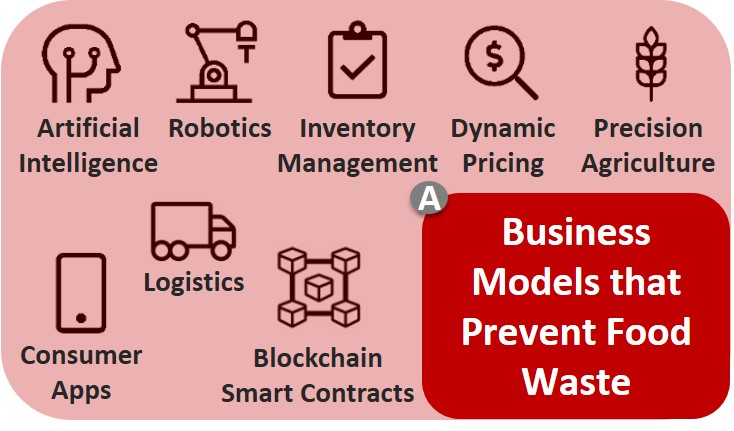
Stream A: Business Models that Prevent Food Waste
Accelerate and scale the deployment of innovative solutions that prevent food waste across the food supply chain.
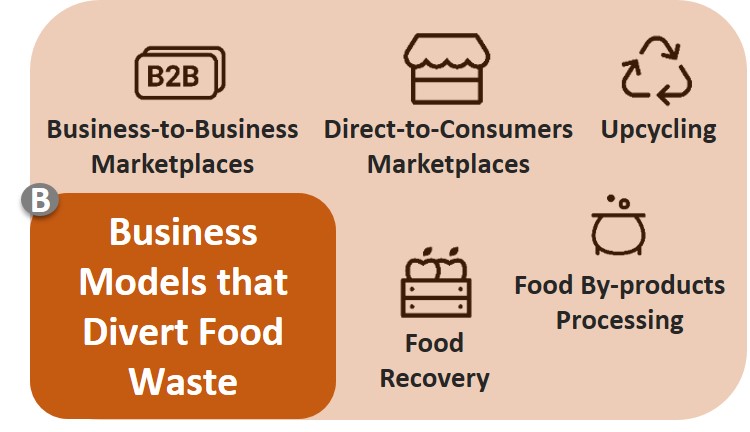
Stream B: Business Models that Divert Food Waste
Accelerate and scale the deployment of innovative solutions that create value from food waste, food by-products and/or surplus food.
4. Challenge Objectives & Assessment Criteria of Streams A and B
AAFC is calling on innovators to submit a concept application for solutions that:
- Can measurably reduce food waste – in dollars and metric tonnes;
- Are innovative and disruptive to the status quo – the old way of doing business is out;
- Are ready to scale up – it is time to deploy high-impact and wide-reaching solutions across the Canadian food supply chain;
- Have a strong business case – there is a demand for your solution;
- Make a difference to our communities – creating jobs and increasing access to safe, nutritious, and high-quality food is a priority; and,
- Improve our environment – reducing food waste means shrinking our GHG footprint and conserving natural resources.
For more information on the assessment criteria for Streams A and B, please see the Applicant Guide.
5. Key Dates for Challenge Streams A and B
-
Stage 1 Concept Application
Challenge Streams A and B are launched, and application intake is from November 19, 2020, until January 18, 2021. Up to 30 Semi-Finalists with the most promising solutions across both streams will receive approximately $100,000 in Spring 2021 and move on to Stage 2. -
Stage 2 Market Demonstration Results
Beginning in Spring 2021, Semi-Finalists will demonstrate the success of their solutions with an implementation partner in Canada over an eight-month period. Up to 12 Semi-Finalists with the most impressive results from Stage 2 will receive approximately $400,000 in Spring 2022 and will move on to become Stage 3 Finalists. -
Stage 3 Grow and Scale
Finalists at this stage will grow and scale up their solutions in Canada over a one-year period starting in Spring 2022. Up to two Finalists with the most impressive results from Stage 3 will receive approximately $1,500,000 in early 2024 and become a Grand Prize Winner for The Food Waste Reduction Challenge – Streams A and B.
Note: The number of winners and prize amounts are approximations and may vary depending on the applications received.
6. Eligible Applicants for Challenge Streams A and B
The Food Waste Reduction Challenge is open to commercial and non-commercial organizations and individuals registered to do business in Canada. Specifically you can apply if you are:
- A business and/or social enterprise of any size
- A not-for-profit and/or charitable organization
- An Indigenous organization and/or group
- A post-secondary/academic institution
- An Individual or group of individuals
International applicants with a Canadian partner or an ability to register to do business in Canada are encouraged to apply. Ideas and concepts can originate from anywhere globally, but to receive funding under the Challenge, the solutions presented in the submissions must be tested, piloted, demonstrated, and deployed in Canada.
The Applicant Guide for Streams A and B provides more details about the eligibility criteria for these streams.
7. Challenge Stream Selection Tool
Our interactive tool should help you identify which stream is the best fit for your solution.
Process & Prizes
Streams A and B
A. Business Models that Prevent Food Waste
Accelerate and scale the deployment of innovative solutions that prevent food waste across the food supply chain.
B. Business Models that Divert Food Waste
Accelerate and scale the deployment of innovative solutions that create value from food waste, food by-products and/or surplus food.
-
Stage 1 – Challenge Launch and Concept Application Intake
November 19, 2020
Applicants with business model solutions that prevent or divert food waste are invited to apply to Streams A or B. The deadline to apply is January 18, 2021, at 11:59 pm PST. At this stage, applicants are competing for approximately $100,000 in grant funding and the chance to become a Semi-Finalist entering into Stage 2 of the challenge.
-
Stage 2 – Up to 30 Semi-Finalists Will Test Their Solution with an Implementation Partner
Spring, 2021
Up to 30 of the most promising business model solutions to food waste will be selected to move on to Stage 2 of the challenge. These Semi-Finalists will have eight months to test their solution with at least one Canadian implementation partner and evaluate the effectiveness of their solution. This stage could involve the development of prototypes, tools, processes and partnerships. Semi-Finalists are competing for approximately $400,000 in grant funding and the chance to become a Finalist entering Stage 3 of the Challenge. Other non-monetary benefits may be offered to participants at this stage.
-
Stage 3 – Up to 12 Finalists Will Grow and Scale Up Their Solution in Canada
Winter/Spring, 2022
Up to 12 Finalists whose business model solutions had the most impressive performance in Stage 2 will be selected to move on to Stage 3. At this stage, Finalists will have one year to accelerate and scale up the commercialization of their solution by acquiring new customers or users and growing their presence in Canada. Participants will be required to rigorously test and evaluate the effectiveness of their solution and report on their results. Finalists at this stage are competing to become one of two Grand Prize Winners who will receive approximately $1,500,000 in grant funding. Other non-monetary benefits may be offered to participants at this stage.
-
Grand Prize Winners Selected
Early 2024
Two Grand Prize Winners will be selected from among the Finalists and announced in early 2024.
Up to 30 Prizes of $100,000
Open to all eligible innovators submitting a concept application at Stage 1.
Up to 12 Prizes of $400,000
Open to all Semi-Finalists who reach Stage 2.
Up to 2 Grand Prizes of $1,500,000
Open to all Finalists who reach Stage 3.
Note: The number of winners and prize amounts may vary depending on the applications received.
Please refer to the Applicant Guide for a more detailed description of the application, process, prize amounts, and challenge stages.
Reviewers
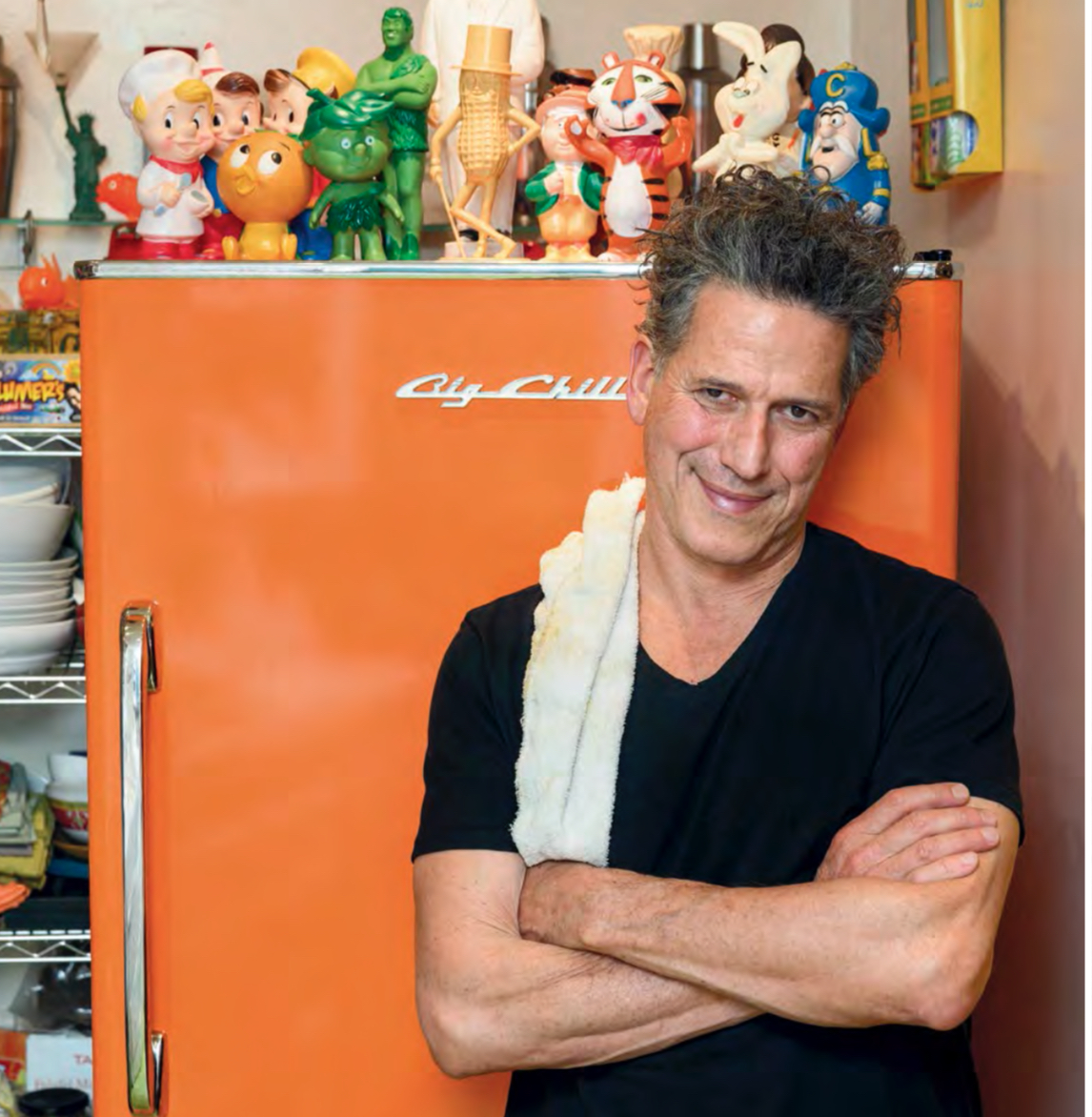
Bob Blumer
-
Full bio
Bob Blumer is a professional gastronaut. He has created and hosted three award-winning TV series that have aired in more than 20 countries, and written seven acclaimed cookbooks. In his books and appearances around the globe, Bob transforms ordinary ingredients into wow-inspiring dishes through simple cooking methods and whimsical presentations that have become his culinary trademark. For the past 10 years Bob has been an official ambassador for Second Harvest, Canada’s largest food rescue organization. In 2019, he was appointed ambassador for Love Food Hate Waste, a Canadian national zero-waste initiative. The transplanted Canadian currently lives in California with his wife Kate who is a museum educator.

Sheena Brady
-
Full bio
Sheena Brady is the founder and CEO of Tease Tea, an all-natural and sustainably sourced loose-leaf tea company that was established in 2013. Over the years, Tease Tea has grown into a seven figure company that serves customers in more than 30 countries. Through its social mission to elevate underrepresented women-identifying entrepreneurs, this Canadian company allocates a portion of the proceeds from every purchase to support related programs. This includes Founders Fund, which Sheena founded in 2019: A four-month digital program that gives women entrepreneurs access to funding, mentorship and resources to grow their businesses. Founders Fund has become Canada’s first digital growth accelerator elevating women entrepreneurs and has since raised over $100,000 in funding support while providing over 500+ founders access to mentorship.

Nella Brodett
-
Full bio
Nella Brodett has a breadth of cross-sector experience working with artificial intelligence (AI), startups, the provincial government, and health technology commercialization. She is the Director of Partnerships at MedStack, a health tech startup. Previously, she was the Director of Investment & Partnerships at the Alberta Machine Intelligence Institute (Amii). Nella began her career in tech after earning her Bachelor of Commerce from Ryerson University. She enjoys developing lasting relationships to create meaningful change regarding society's most pressing challenges.

Alejandro Enamorado
-
Full bio
Alejandro Enamorado serves as the Capital and Innovation Manager of ReFED, an American, multi-stakeholder, nonprofit organization committed to reducing food waste by using a data-driven approach. Alejandro works to spur investment in the US food waste sector. In his current role, he is providing product development support for the upcoming 2020 roadmap to reducing food waste (Insights Engine) in the US market, maintaining and building relationships with food waste solution providers and capital providers, and tracking historical investment in the space. He brings six years of technology investment banking, equity research, and sales and trading experience, including time at TD Securities, CI Investments, and RBC Capital Markets.

Martin Gooch
-
Full bio
Dr. Martin Gooch is the CEO of Value Chain Management International, which co-authored Canada’s landmark report, The Avoidable Crisis of Food Waste. His PhD identified ways to motivate farmers and managers of agri-food businesses to successfully adapt to changing market demands through developing close, strategic relationships and innovative business practices. He has 30 years’ of management experience in international agribusiness, and in 2013 Martin received Bayer Inc.’s “Outstanding Canadian” award for his contribution to “Food Chain Partnerships.” He was appointed Adjunct Professor at the College of Business and Economics at the University of Guelph, and in 2017 Martin received the Cory Clack Streef “Produce Person of the Year” award.

Tyler Hennick
-
Full bio
Tyler Hennick has built experience in food, technology, and their intersection, with interest in innovation that keeps the sector ecologically and financially sustainable. He is currently a Lead in McCain Foods’s Global Analytics function, where he is helping to enrich insights into the business and market through descriptive and advanced analytics. Tyler’s prior experience spans from farm (Project Management at the Ethiopian Agricultural Transformation Agency) to table (Strategic Initiatives at Uber Eats). Tyler holds a Bachelor of Commerce and a Masters of Management in Artificial Intelligence, both from Queen’s University.

Jean-Charles Le Vallée
-
Full bio
Dr. Le Vallée is the Canadian Country Representative to the Inter-American Institute for Cooperation on Agriculture in Costa Rica. Prior to joining IICA, Jean-Charles was the former head for food research at The Conference Board of Canada, a World Bank food and commodity economist, and Coordinator for Canada's Food Security Bureau. He has extensive international leadership, teaching, research and field experience in over a dozen countries, including on food waste, global food system performance rankings, and diplomacy, working with the FAO, IFPRI, the World Food Prize, USAID, Global Affairs Canada, NGOs and universities such as Cornell and Michigan State.
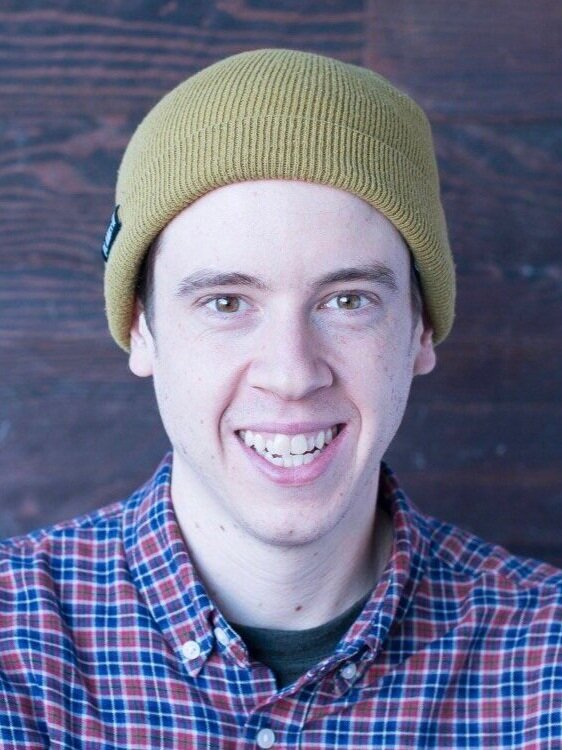
Matt Livingston
-
Full bio
Matt Livingston is a Principal Consultant for Anthesis Provision where he works to help food and beverage companies on a variety of sustainability initiatives including food waste, sustainable packaging, climate disclosure and on-farm programs. He previously worked as the Sustainability and Stewardship Specialist for Nature’s Path Foods, where he was responsible for leading the company’s sustainability strategies. Matt has also worked as Director of Sustainability at SPUD.ca where his team launched several industry-first and award-winning waste reduction programs. Matt spent his early career in the skateboard industry working as impact manager for B Corp Certified Comet Skateboards where he still serves as an advisor. Matt is also on the management board for the National Zero Waste Council of Canada and a board member for Vancouver based Food Stash foundation which rescues surplus food from grocery stores and redistributes it to families in need.
Lori Nikkel
-
Full bio
Lori Nikkel is a visionary leader and a champion of social and environmental justice issues related to food. As CEO of Second Harvest, Lori has pivoted the organization from a local charity distributing fresh healthy food, into a national food support network and international thought leader.Her guidance has changed the way Canada manages food loss and waste, authoring The Avoidable Crisis of Food Waste, a world first evidence-based research project identifying; where, why, and how much food is lost and wasted across the supply chain. In 2020, Lori was globally recognized by the United Nations as Canada’s Food Hero.
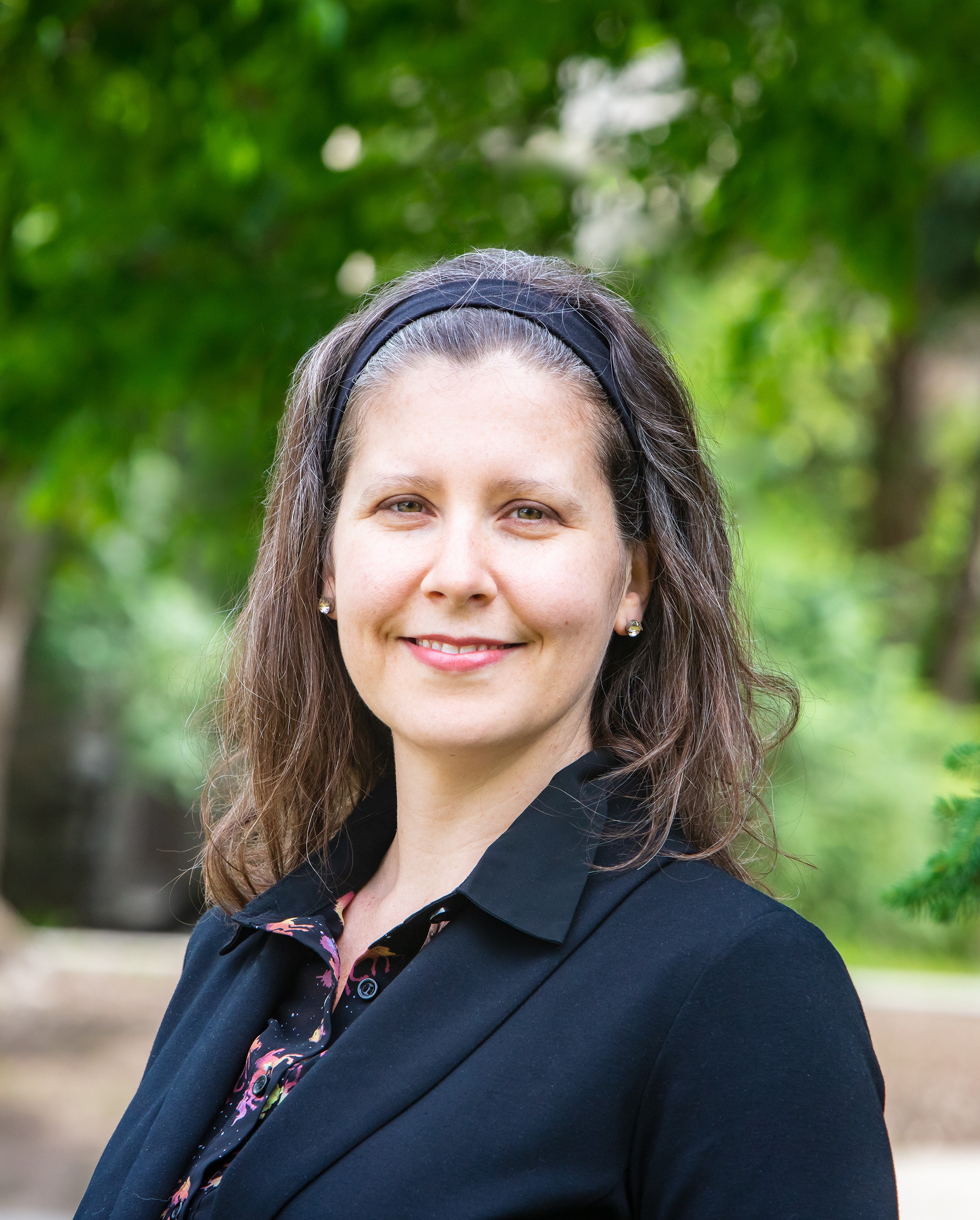
Kate Parizeau
-
Full bio
Dr. Kate Parizeau is an Associate Professor in the Department of Geography, Environment and Geomatics at the University of Guelph where she teaches courses on social geography, urban issues, and international development. Her research focuses on waste management practices as a lens through which to integrate complex systems of social organization and human exchanges with the natural world. This focus has allowed her to make contributions to the fields of waste studies, international development studies, and urban studies. Current research includes an investigation of food waste in Ontario, co-led by Dr. Mike von Massow.

Denise Philippe (Chair)
-
Full bio
Denise Philippe is a Senior Policy Advisor with Metro Vancouver and the National Zero Waste Council (NZWC). NZWC is an initiative of Metro Vancouver that works collaboratively with business, government and community to prevent waste. Since 2012, Denise has been the Council’s portfolio lead on food loss and waste prevention/reduction and was instrumental in developing A Food Loss and Waste Strategy for Canada. She has been the liaison for the Council’s cross-sector Food Working Group and has led collaborative research projects, including the recent Less Food Loss and Waste, Less Packaging Waste. Denise is a certified professional planner, with a M.Ed. in environmental education.

Tammara Soma
-
Full bio
Dr. Tammara Soma MCIP RPP is an Assistant Professor at the School of Resource and Environmental Management (Planning program) at Simon Fraser University and Research Director of the Food Systems Lab. She conducts research on issues pertaining to food loss and waste (FLW), food system planning, and the circular economy. Dr. Soma is a Co-editor of the Routledge Handbook of Food Waste, and co-founder of the International Food Loss and Food Waste Studies group, a global network of researchers and practitioners. Dr. Soma was selected as a committee member of the US National Academies of Science and co-authored the consensus study A National Strategy to Reduce Consumer Food Waste.
Results
Minister MacAulay announces Food Waste Reduction Challenge winners
From farm to plate, through production, processing, distribution, retail, food service and at home, over half of Canada’s annual food supply is reportedly wasted or lost. To build a more sustainable future, it is critical to tackle food waste. The Honourable Lawrence MacAulay, Minister of Agriculture and Agri-Food, announced the two grand prize winners of the Business Models Streams for the Food Waste Reduction Challenge, LOOP Mission and Still Good.

LOOP Mission is a Montreal-based circular economy company that creates products from food that would otherwise go to waste, like cold-pressed juice. The company leveraged its expertise to create LOOP Synergies—a line of ingredients made from rejected food, that would otherwise be wasted, that food processors can easily integrate into diverse food products. With support from the Challenge, LOOP Mission will scale its LOOP Synergies line, enabling more food processors to join the movement to reduce food waste in Canada.

Based in Montreal, Still Good develops business solutions for companies to transform nutrient-rich by-products that would otherwise go to waste to new food products, through a holistic approach called eco-valuation. For example, Still Good developed technology to turn spent brewers’ grain from local microbreweries into flour which is high in protein, fibre and essential minerals. With support from the Challenge, Still Good will scale its business model to create eco-valuation or upcycling hubs across Canada. This will allow food processors to build on and replicate this solution to reduce food waste.
LOOP Mission and Still Good will each receive a grand prize of up to $1.5 million to grow and scale their leading-edge food waste solutions.
By encouraging more solutions to food waste, we can increase food availability, save Canadians and businesses money, and strengthen our food systems, while also reducing greenhouse gas emissions. The Government will continue to support innovation in this area, to ensure that more of the high-quality products produced by our farmers and food processors reach Canadians.
Finalists
Organization |
Solution Description |
 |
Abokichi is a food brand that is harnessing century-old practices from Japan to upcycle okara into innovative and delicious products. Okara, the nutritious pulp (50% fibre and 25% protein) remaining after tofu/soymilk production, is a staple in Asian cuisine but has yet to find a market in Canada. Over 7,000 tons are wasted annually across Canada. [The finalist has withdrawn] |

|
Transcript[Upbeat music begins] [Colourful animated circles appear on screen, with a plate of meat, quinoa, lettuce, and avocado in the background.] Text on screen: Food Waste Reduction Challenge [Animated objects representing the environment and innovation appear around the edge of the screen with multiple shades of blue, vibrant pink, and white.] Text on screen: 10 finalists competing for 1 of 2 grand prizes Text on screen: Meet one of our finalists… [Dominique Lynch-Gauthier talks to the camera.] Dominique Lynch-Gauthier: Hello, my name is Dominique Lynch-Gauthier and I love mushrooms. [Animated vegetables move over the screen. The Blanc de Gris logo appears in the middle of the screen.] Text on screen: Blanc de Gris At Blanc de Gris, we reduce food waste… [A worker mixes by-products in a large cylinder. Cut to a close-up view of the mixture. A woman trades buckets, labelled ‘Blanc de Gris’, with a worker behind a counter at a restaurant.] …by transforming microbrewery and coffee roasting by-products into substrates to grow gourmet mushrooms. [A close-up view of an animation of mushrooms growing.] Then, we recycle our used substrate, namely our own residues, into mushroom gardens. [The substrate mixture rotating in a machine. Cut to multiple white buckets stacked on top of each other with mushrooms growing out of the buckets.] So, our substrate continues to grow mushrooms, and then it ultimately ends up feeding the soil. [A montage includes a person guiding soil out of a machine and into a large container, they place a white bucket on the ground in preparation to fill it with soil, and a female looks at a handheld device while she writes down notes.] We are continuing our work to look for other applications for these by-products. There is a possibility of making materials with it, such as food packaging or horticultural seedling trays. [An overhead view of packed white bags, stacked in rows. The image transitions into a close-up view of polystyrene material, which transitions into a close-up of someone planting a seedling.] So, it has some of the same properties as polystyrene once it's dehydrated, except that it's biodegradable. During the challenge period, which was from July 2022 to April 2023, food waste was reduced by 40 tonnes. [Two workers sift through a shovel and container full of the substrate mixture. Cut to a timelapse of a clear plastic bag full of vegetable scraps; the scraps quickly vanish out of the bag until it is empty.] We were able to produce 12 tonnes of mushrooms… [A woman walks through a greenhouse full of stacked buckets with mushrooms growing out of them. A close-up of a card labelled with the Blanc de Gris logo, with mushrooms situated behind.] …from these residues and then to make many outdoor mushroom gardens as well. [A black and white image of a cluster of mushrooms.] Like many people, I sometimes have eco-anxiety. [A woman organizes stacks of empty buckets. Cut to a female pouring a container of substrate mixture into a large machine.] So, fighting against food waste… [An image appears on the screen, as a worker mixing the substrate mixture plays in the background. The image showcases a cluster of mushrooms with an arrow pointing to a drawing of a jar labelled ‘Blanc de Gris’.] …is a way for me to alleviate my eco-anxiety somewhat because it makes me feel like I’m making a small contribution to helping to solve the gigantic problems we face. [A woman carries a bucket as she walks past stacked buckets in the greenhouse. Cut to Dominique high fiving a colleague in an office.] I think it's wonderful to see that there are other people working on this as well. [Upbeat music becomes louder.] [A screen of animated objects, related to the environment and innovation, appears around the edge of the screen.] Text on screen: Waste isn’t waste until we waste it Text on screen: Follow us #FOODWASTE #CDNAG @CDN_AGRICULTURE / @AGRICULTURE_CAN [Upbeat music ends] Text on screen: Agriculture and Agri-Food Canada – Agriculture et Agroalimentaire Canada [Government of Canada wordmark] Blanc de gris developed a commercial mushroom growing process that coverts brewers’ spent grain for a substrate used to grow high-end, gourmet mushrooms. The company is currently developing a mushroom farm that is connected to a microbrewery so that brewers spent grain can be repurposed on site, rending transportation to landfill sites or other treatment sites unnecessary. |

|
Transcript[Upbeat music begins] [Colourful animated circles appear on screen, with a plate of meat, quinoa, lettuce, and avocado in the background.] Text on screen: Food Waste Reduction Challenge [Animated objects representing the environment and innovation appear around the edge of the screen with multiple shades of blue, vibrant pink, and white.] Text on screen: 10 finalists competing for 1 of 2 grand prizes Text on screen: Meet one of our finalists… [Katie Motta talks to the camera.] Katie Motta: Hi, I’m Katie Motta, Project Manager for Circular Innovation Council. [Animated vegetables move over the screen. Circular Innovation Council logo appears in the middle of the screen.] Text on screen: Circular Innovation Council Our solution is designed to simplify food rescue and divert organic waste through shared collection services for neighbouring IC&I businesses. [Text on screen appears, stating ‘Linear Economy’. Images appear in a row underneath: an image of the Earth; an arrow pointing towards a manufacturing machine; and another arrow pointing to a garbage can. Text appears underneath each image accordingly in order: take, make, waste.] That reduces costs, waste and greenhouse gas emissions, while increasing access to nutritious food and producing valuable compost. [Animated images appear on screen, labelled ‘Circular Economy’ above the row of images. The row of images includes an animated image of Earth with the words ‘Take, Replenish’, a circular model with the words ‘Make, Reuse, Share, Repair, Recycle’, and a garbage can.] [An image of a large machine aerating a large pile of composted soil.] IC&I is an acronym for the institutional, commercial and industrial sector. [A reduce, reuse, recycle, model logo appears on the screen. The three words in the colours dark blue, lime green, and light blue, appear to its right.] We’ve got sort of two components of our solution… [A close-up view of multiple vegetables, such as mushrooms, white onion, a red pepper, and tomatoes.] …by simplifying the food rescue component with a food rescue app… [A close-up view of a person holding their phone and scrolling and shopping for produce items.] …that makes it really easy for them to donate any surplus edible food they have; [A person wearing gloves picks up a coconut from a pile of fruit and vegetables and places the coconut into a cardboard box.] …we also reduce the cost of organics collection… [An image of a worker lifting large garbage bins off of a truck. Cut to an image of a tractor lifting organic waste and soil.] …by consolidating collection and bringing as many neighbouring businesses and institutions together and sending one collection truck to all of these neighbouring businesses. That brings efficiency and it reduces cost. Since we’ve launched this pilot initiative… [An image of Katie and a colleague each holding an organic green bin and posing next to a large sign which states ‘County of Wellington – Administration Centre’.] …with the support of the Food Waste Reduction Challenge… [A close-up view of a lid of an organic green bin with symbols of acceptable items that can be thrown into the bin such as fruits and vegetables, dairy, meat and bones, paper products, and grains. Cut to an image of a garbage truck on a street, dumping recycled items out of the blue bins.] …we’ve diverted more than 325 tonnes of surplus food and organic waste from landfill. [An image of a large truck collecting piles of trash. Cut to an image of Katie and two other people posing for a group picture in front of a Foodland grocery store.] Working with a little over 50 businesses of all ranges, from grocers and restaurants to manufacturers and hospitals. [A close-up view of a cook pouring food out of a frying pan and onto a plate. A close-up view of a worker placing packaged items into cardboard boxes.] So taking that much food away from landfills, the equivalent of taking more than 1000 cars off the road for a year, in terms of greenhouse gas emission reductions. But in addition, the food rescue component is really meaningful. [A close-up view of two people putting donated food into cardboard boxes.] Our businesses have donated more than $160,000 worth of surplus food over that time period. [A close-up view of two people chopping produce in a kitchen.] And that’s like making 48,000 meals available to the food insecure. I am really jazzed by any projects that deliver both environmental and social impact. [Upbeat music becomes louder.] [A screen of animated objects, related to the environment and innovation, appears around the edge of the screen.] Text on screen: Waste isn’t waste until we waste it Text on screen: Follow us #FOODWASTE #CDNAG @CDN_AGRICULTURE / @AGRICULTURE_CAN [Upbeat music ends] Text on screen: Agriculture and Agri-Food Canada – Agriculture et Agroalimentaire Canada [Government of Canada wordmark] Circular Innovation Council offers the institutional, commercial, and industrial (IC&I) sector—Canada's largest generator of food waste—the ability to recover edible food and cost-effectively divert food waste otherwise lost to disposal through a co-operative buying financial model that can be replicated and scaled by communities across the country. |

|
Transcript[Upbeat music begins] [Colourful animated circles appear on screen, with a plate of meat, quinoa, lettuce, and avocado in the background.] Text on screen: Food Waste Reduction Challenge [Animated objects representing the environment and innovation appear around the edge of the screen with multiple shades of blue, vibrant pink, and white.] Text on screen: 10 finalists competing for 1 of 2 grand prizes Text on screen: Meet one of our finalists… [Christina Zardo talks to the camera.] Christina Zardo: Hi, I’m Christina Zardo. I’m the Director of Municipal Solutions at Food Cycle Science. [Animated vegetables move over the screen. The Food Cycle Science logo appears in the middle of the screen.] Text on screen: Food Cycle Science We are 100% focused on providing food waste diversion solutions to change the way the world thinks about food waste. [A view of a door leading into the company’s Innovation Lab.] We do this using our innovative technology called the FoodCycler… [Two people discuss as they analyze the FoodCycler in the lab.] …which is an on-site food waste recycling machine that transforms… [A montage showcasing the insides of the FoodCycler. Cut to a 3D product design of the FoodCycler.] …your food waste into fertilizer right at home, no matter where you live. [Animated energy lines are shown circulating through the design model.] You get a really clean, contained unit. [A close-up view of two FoodCyclers, one white and one dark grey, placed side by side on a kitchen counter.] [A montage of someone scraping food off a plate and into the FoodCycler bucket, setting the bucket into the machine, closing the lid and pressing the start button.] Food waste goes into a bucket, the bucket goes into a machine, you press the button and overnight it turns into fertilizer. [A close-up view of someone rubbing fertilizer in their hand.] And it does this completely odorless. Each FoodCycler deployed is estimated to divert… [A close-up view of someone chopping vegetables and tossing the vegetable scraps into the bucket. Cut to someone scraping food scraps into the bucket.] …two tonnes of food waste over its lifespan, and it will avoid approximately 393 kilograms of CO2e… [A person lifts the bucket full of scraps and places it into the FoodCycler and closes the lid. Cut to a view of a grass field, with the forest and mountains in the background.] …and that’s the equivalent of 16 trees per year. We’ve been working with small, rural, remote, and northern communities… [A woman walks through a field. Cut to a man posing with a rake and smiles at the camera.] …across Canada to keep food waste out of their landfills. [A close-up view of a person holding a colander full of strawberries and rinsing them in the sink.] [A landscape view of the city of Nelson by the water with mountains in the background.] In British Columbia, the city of Nelson will be deploying a FoodCycler into every household… [A person places a component of the machine into the FoodCycler and closes the lid. Cut to a woman carrying a bucket across the street, walking towards the camera.] …and that will be the organic waste solution in their community. [A montage of the woman gardening in her backyard.] So, a municipality can achieve significantly higher waste diversion by keeping food waste out of their landfills using the FoodCycler. [A close-up view of the FoodCycler sitting on a kitchen counter. Cut to the woman adding fertilizer to her raised garden bed.] And we also avoid greenhouse gases by avoiding methane going to landfills… [An overhead view of two garbage trucks sitting in a large landfill.] …and not putting more trucks on the road. So food waste should be the first thing that people take out of the landfill. We empower communities and organizations to starve the landfill and feed the earth. [Upbeat music becomes louder.] [A screen of animated objects, related to the environment and innovation, appears around the edge of the screen.] Text on screen: Waste isn’t waste until we waste it Text on screen: Follow us #FOODWASTE #CDNAG @CDN_AGRICULTURE / @AGRICULTURE_CAN [Upbeat music ends] Text on screen: Agriculture and Agri-Food Canada – Agriculture et Agroalimentaire Canada [Government of Canada wordmark] Food Cycle Science is partnering with small, rural, northern, and Indigenous communities on residential food waste diversion using their on-site FoodCycler technology. The FoodCycler transforms food waste into a nutrient-rich soil amendment in hours – keeping food waste out of landfills and reducing methane emissions caused by landfilled organics. |

|
Transcript[Upbeat music begins] [Colourful animated circles appear on screen, with a plate of meat, quinoa, lettuce, and avocado in the background.] Text on screen: Food Waste Reduction Challenge [Animated objects representing the environment and innovation, appear around the edge of the screen, with multiple shades of blue, vibrant pink, and white. Text on screen appears in bright blue and white.] Text on screen: 10 finalists competing for 1 of 2 grand prizes Text on screen: Meet one of our finalists… [Julie Poitras-Saulnier talks to the camera.] Julie Poitras-Saulnier: Hi, my name is Julie Poitras-Saulnier. I’m the CEO and Co-Founder of LOOP Mission. [Animated vegetables move over the screen. LOOP Synergies logo appears in the middle of the screen.] Text on screen: LOOP Synergies Julie Poitras-Saulnier: LOOP Mission is a circular economy project that aims to reduce food waste. We started with products made with upcycled ingredients… [A montage begins with a female holding up a juice bottle, with a male standing next to her, a close-up view of a hand pointing at a box full of pineapples, two people swirling a glass of wine, a LOOP Gin bottle sitting on pavement, with the outdoors blurred in the background, and seven LOOP juices bottles with colorful labels and each in a different colour, outside on a rock with a building in the background. In slow motion a person pours lemons out of a box and into a machine.] …clean label, premium products made with this discarded food. [A close-up view of a machine twisting bottle caps onto several LOOP bottles filled with juice.] But the success of the project was immediate… [A montage begins with a close-up view of LOOP juice bottles in a pile and a person in a lab coat presents three bottles.] …and we got so many phone calls from food manufacturers, retailers, farmers… [Three people walk through a field in the direction of a parked tractor. Farmers harvest crops from the field and tossing the crops onto the back of a tractor.] …as they also had a lot of food that they were throwing out and they were looking for a solution. So we’ve decided to launch a B2B ingredient branch for food manufacturers, so that would overcome these issues. [Julie stands in a warehouse in front of a table full of carrots. A close-up view of two people spreading carrots along a conveyer belt.] So LOOP Synergies is a way to ensure that major food manufacturers… [A slow-motion view of a person shoveling blueberries into a vat of water. A close-up view of a person holding 4 orange halves and another person holding a full lime to the camera.] …can also join the movement and save more food. For us, the spark to create this business was really when we visited the warehouse of the largest produce distributor in Canada… [A male exploring a large warehouse filled with crates of lemons. Surrounded by crates of oranges, Julie and a man look up towards the camera from below and toss oranges up into the air. A close-up view of a crate full of oranges.] …and we really saw the fruits and vegetables that they were throwing away. Because when you just think about food waste… [An overhead view of a worker shoveling carrots into a corner on the ground. Julie turns and smiles at the camera while entering a warehouse full of produce.] …of course it's something that is shocking, but when you really see it, it was just so strong that we needed to do something about it. So far, we’ve diverted from landfill more than 16,000 tonnes of fruits and vegetables… [Several workers in a crop field harvest celery. A worker in a warehouse dunking a full cart of celery into a large bin, a close-up view of a faucet pouring green juice into a large bin, Julie holds a box of LOOP products while smiling at the camera with a thumbs up.] … more than 13,000 tonnes of greenhouse gas emissions avoided and almost 1 billion litres of water saved. And this is just the beginning. [Julie laughs and smiles at the camera.] [Upbeat music becomes louder.] [A screen of animated objects, related to the environment and innovation, appears around the edge of the screen.] Text on screen: Waste isn’t waste until we waste it Text on screen: Follow us #FOODWASTE #CDNAG @CDN_AGRICULTURE / @AGRICULTURE_CAN [Upbeat music ends] Text on screen: Agriculture and Agri-Food Canada – Agriculture et Agroalimentaire Canada [Government of Canada wordmark] LOOP Synergies is an initiative powered by LOOP Mission which aims to facilitate and exponentially spread the use of upcycled ingredients in food manufacturing. LOOP creates fruit and vegetable based products (e.g., juices, purees and powder) that any food-manufacturer can easily use as ingredients in their production process, providing a cost-effective and easy to use solution to counter the challenges of working with discarded foods or by-products. |
 |
Outcast Foods obtains fresh “waste produce” and surplus produce from retailers, farmers, and agri-food businesses and converts it into whole plant powders and dehydrated products. The company is also developing solutions to deal with the complexities of sourcing, transporting and cleaning of waste stream food. [The finalist has withdrawn] |

|
Transcript[Upbeat music begins] [Colourful animated circles appear on screen, with a plate of meat, quinoa, lettuce, and avocado in the background.] Text on screen: Food Waste Reduction Challenge [Animated objects representing the environment and innovation appear around the edge of the screen with multiple shades of blue, vibrant pink, and white.] Text on screen: 10 finalists competing for 1 of 2 grand prizes Text on screen: Meet one of our finalists… [Harjeet Bajaj talks to the camera.] Harjeet Bajaj: Hello. My name is Harjeet Bajaj, Founder and CEO of Savormetrics. [Animated vegetables move over the screen. The Savormetrics logo appears in the middle of the screen.] Text on screen: Savormetrics So, the goal of our company is to help reduce food wastage globally, whether it’s due to spoilage or out of spec products. [Harjeet stands next to the produce aisle in a grocery store while he looks at his phone.] We know that one third of all food that’s produced is wasted… [A person holds a tray of French fries attached to a scanning machine.] …and our company provides automated quality assurance and quality control. [A close-up view of an industrial machine lifting a box labelled ‘Savormetrics’.] That is the challenge we want to solve by building these really low cost sensors where we provide those to you for free. And now what you’re paying for is a very affordable subscription fee to get access to insights. [A male stands in a warehouse and analyzes a handheld device while he looks and points at the warehouse inventory.] Insights like predicting shelf life… [A combine harvester harvesting in a field with an overlay of animated motion design graphics.] …predicting when’s the best time to harvest. Not detecting defects, but predicting those before they happen. What we found that they were lacking was the ability to detect issues before they happen and that’s what we’re providing at Savormetrics. So, we use multi-modal sensors and we take the combination of these sensors… [Savormetrics products displayed on a table.] …plus the data that may already exist with the customer… [A person uses an iPad.] …and the combination of that data allows us then to extract features using our AI engine. [A timelapse of a series of coding on a computer screen.] We don’t require a lot of data, very small amount of data. [A person typing on a keyboard. Cut to a close-up, side profile of a person wearing glasses while they stare at a screen in front of them.] We synthesize our own data on top of that, off of the features, we generate those and then we’re able to provide these meaningful metrics… [A close-up view of an iPad showcasing a graph of data analytics.] …like the ones that I identified that can predict quality. It’s been an adventure for Savormetrics from day one. It just felt that the time was right now, where the industry would be open to the idea of deploying technology to get to that next level. [Upbeat music becomes louder.] [A screen of animated objects, related to the environment and innovation, appears around the edge of the screen.] Text on screen: Waste isn’t waste until we waste it Text on screen: Follow us #FOODWASTE #CDNAG @CDN_AGRICULTURE / @AGRICULTURE_CAN [Upbeat music ends] Text on screen: Agriculture and Agri-Food Canada – Agriculture et Agroalimentaire Canada [Government of Canada wordmark] Savormetrics provides artificial intelligence (AI)-driven sensor devices that not only detect, but predict defects, contaminants and shelf life, allowing for smarter growing, inventory movement, and processing. The devices allow food sector businesses to reduce food waste and save significant costs. |

|
Transcript[Upbeat music begins] [Colourful animated circles appear on screen, with a plate of meat, quinoa, lettuce, and avocado in the background.] Text on screen: Food Waste Reduction Challenge [An animated objects representing the environment and innovation, appear around the edge of the screen, with multiple shades of blue, vibrant pink, and white. Text on screen appears in bright blue and white.] Text on screen: 10 finalists competing for 1 of 2 grand prizes Text on screen: Meet one of our finalists… [Jonathan talks to the camera.] Jonathan: My name is Jonathan. I’m the Co-Founder and CEO of Still Good. [Animated vegetables move over the screen. The Still Good logo appears in the middle of the screen.] Text on screen: Still Good Jonathan: What we do is we transform food waste into a resource. [A worker loads spent grain into a large machine. A close-up and wide view of spent grain pouring from the machine into a blue bin.] We do that by upcycling waste ingredients that are still perfectly good and nutritious. We’re a carbon negative model… [A row of large blue bins with the Still Good label on them.] …so we have zero waste and we reduce GHG emissions… [A worker pulls a blue bin towards a machine.] …and we offer a complete solution which is scalable and a replicable model. For 3 Brasseurs, what we’re doing is they’re brewing their beer. [The exterior of 3 Brasseurs restaurant in a strip mall. A worker shovels spent grain out of a vat into a blue bin. A close-up view of the grain.] Out of that, there’s a by-product which is spent grains that was all going to waste 100%. [The worker pushes a large bin. Two workers lift two bins into a truck.] Now we have our collection services that bring this to our facility… [A worker pours the grain mixture from a bin into a machine. A close-up view of the grain pouring out of the bin.] …and in our facility we transform that and process that into spent grain flour. [A worker shovels the grain. A close-up view of the grain pouring out of a machine into a blue bin. A person places their hand in the flour as it pours out of a machine.] The spent grain flour is then reintegrated into 3 Brasseurs on their menus. Now, they don’t use 100%. [A person stands at a counter with a bag of Still Good flour, beside two bowls of flour.] So the flour that is not put back into the restaurant is then used to created other products. [A close-up view of cookies and packages of Still Good cookies.] So there’s zero waste. So the impact of our solution in the last year was… [A person pushes a large bin, labelled with the Still Good logo.] …close to 410,000 kilos of by-products that were processed. [An overhead view of a person scooping grain out of a large bin. A worker stands next to Jonathan as he pulls a baguette out of a bag. Grains pours out of a machine.] That transformed into more than 3.5 million litres of water averted. [A close-up view of a product labelled ‘Chapelure Nature – Plain Breadcrumbs’. Two workers stand and on either side of a conveyer belt grab cookie off the conveyer belt and place it on a cookie tray in front of them.] And our CO2 final aversion was a little bit over 3.2 million kilos. I truly believe that, you know, the companies that are at this stage… [A worker lowers stacked boxes onto a pallet and pulls the pallet of boxes away. The worker pulls the boxes through a garage towards a truck.] …of what’s going on. Right. That’s what I see and that’s what I think is really interesting and promising for… [A worker pushes a large bin out of a building and places it along the side of the building.] …you know, food waste reduction and upcycling as a whole… [Jonathan sifts flour through his hand into a full bin.] …where everyone has a role and everyone works together in partnership to make it happen. [Jonathan stands and smiles at the camera with the machines behind him.] So that’s it. [Upbeat music becomes louder.] [A screen of animated objects, related to the environment and innovation, appears around the edge of the screen.] Text on screen: Waste isn’t waste until we waste it Text on screen: Follow us #FOODWASTE #CDNAG @CDN_AGRICULTURE / @AGRICULTURE_CAN [Upbeat music ends] Text on screen: Agriculture and Agri-Food Canada – Agriculture et Agroalimentaire Canada [Government of Canada wordmark] Still Good upcycles brewers' spent grain, a nutrient-rich wasted material derived from the brewing industry that is high in fibre and protein. In the process of innovating upcycled food products, the company is also developing advanced technologies for processing barley brewers’ spent grain. |
|
Transcript[Upbeat music begins] [Colourful animated circles appear on screen, with a plate of meat, quinoa, lettuce, and avocado in the background.] Text on screen: Food Waste Reduction Challenge [Animated objects representing the environment and innovation, appear around the edge of the screen, with multiple shades of blue, vibrant pink, and white. Text on screen appears in bright blue and white.] Text on screen: 10 finalists competing for 1 of 2 grand prizes Text on screen: Meet one of our finalists… [Heather Lunan talks to the camera.] Heather Lunan: I’m Heather Lunan and I’m with my business partner, Rebecca Tran. [Animated vegetables move over the screen. The Station Food Hub Company logo appears in the middle of the screen.] Text on screen: The Station Food Hub Company We connect farms, food and people in a simple circular model… [A worker uses an industrial lift to carry a wooden crate out of the back of a truck. Cut to the worker pulling the crate of potatoes into a building. A close-up view of potatoes spinning in a cycle of water.] …from the farm back to the farm, buying unwanted produce from local farmers, transforming it into nutritious food, and then selling it out to our local institutions. [Multiple peeled potatoes fall out of a machine and into a bin full of water. A worker uses a machine to slice potatoes. A close-up view of the potato slices shooting out of the machine.] Adding value at every step, we have developed a system that helps build strong food communities anywhere. [A close-up view of a touch screen device on a freezer door. Cut to an image of Rebecca Tran and Heather Lunan posing with a group of people in front of a tractor, standing in the middle of a potato crop field. An image of a farmer driving a tractor through a crop field.] We have farmers in Nova Scotia that have a lot of food waste in their fields. [Rebecca Tran talks to the camera.] Rebecca Tran: So what we do, as our company, we go to the farm and we buy that seconds or the misshapen, off-color produce from them, and we bring it back to our facility and we value add it, we process it. [A wooden crate full of potatoes sitting on a lift machine.] [A montage begins of a worker sorting through potatoes and places them into buckets, cut to a worker placing peeled potato slices into a machine, then the machine turning them into mashed potatoes. Cut to a montage of a worker placing the mashed potatoes into a mixer and starts mixing the potatoes.] We're currently making mashed potatoes, we're doing mashed turnip, mashed sweet potato, rice cauliflower, and then we sell that to our hospitals and long-term care facilities. We were starting to track our waste recovery during stage two of the challenge… [An overhead view of a potato field with rows of green crops.] …and we have collected over 75,000 kilograms of seconds of potatoes. [A farmer drives a small tractor with an attachment on the back of it, while he drives through the crop field.] [A close-up view of a pile of potatoes. Cut to a worker flattening a bag full of mashed potatoes. The worker pulls the tray full of mashed potato packages off a rack and places the tray into an equipment unit.] 55,000 kilograms of that were turned into mashed potatoes, 25,000 kilograms were given back to our local farmers to feed to their cattle. [A close-up view of a row of cattle eating their food.] And then, the last, I think, 5000 kilograms or so were planned processing loss. [A worker empties a wet bag full of a brown substance into a large bin. Cut to a close-up view of multiple buckets filled with potatoes.] Before our solution was created, our hospitals and long-term care facilities were buying potatoes from United States. [A close-up view of a heart shaped potato in the palms of someone’s hands.] They were going to Ontario, they were getting processed in Ontario, and then they were getting driven back to Nova Scotia. And it just didn't really make sense. [An image of a group of people working on a tractor in a field, with its trailer full of potatoes.] So we were able to find a farmer here in Nova Scotia… [An image of three wooden crates labelled ‘Keddy Farms’.] …and buy his seconds to help him out… [Cut to a worker placing packaged mashed potatoes into cardboard boxes. The worker closes the boxes and stacks them on top of each other in rows.] …as well as now we supply all of the long term care facilities and hospitals in Nova Scotia with potatoes. [A close-up view of the cardboard box labelled ‘The Station Food Company’. Cut to an image of a chef handing out food to their customers who are sitting at a restaurant table.] So it's just a really nice local food waste solution that we’ve been able to create here. [An image of two elderly women sitting and smiling at the camera.] [Heather Lunan talks to the camera.] Heather Lunan: The solution is simple, the results are impressive. [Upbeat music becomes louder.] [A screen of animated objects, related to the environment and innovation, appears around the edge of the screen.] Text on screen: Waste isn’t waste until we waste it Text on screen: Follow us #FOODWASTE #CDNAG @CDN_AGRICULTURE / @AGRICULTURE_CAN [Upbeat music ends] Text on screen: Agriculture and Agri-Food Canada – Agriculture et Agroalimentaire Canada [Government of Canada wordmark] The Station Food Company purchases produce that would otherwise be treated as waste from local farms, offering fair market value. The company upcycles this produce, creating value-add products such as mashed potatoes and sells them to institutional buyers. |

|
Transcript[Upbeat music begins] [Colourful animated circles appear on screen, with a plate of meat, quinoa, lettuce, and avocado in the background.] Text on screen: Food Waste Reduction Challenge [Animated objects representing the environment and innovation appear around the edge of the screen with multiple shades of blue, vibrant pink, and white.] Text on screen: 10 finalists competing for 1 of 2 grand prizes Text on screen: Meet one of our finalists… [Glenn Wilde talks to the camera.] Glenn Wilde: Hello, everyone. My name is Glenn Wilde. I’m the founder of Top Grade Ag. [Animated vegetables move over the screen. The Top Grade Ag logo appears in the middle of the screen.] Text on screen: Top Grade Ag We provide a technology that enables farmers to retrofit… [A worker uses a ladder to climb down a large silo. Cut to a view of 4 silos situated on a plot of land.] …existing grain storage facilities into purpose built grain dryers, which enables them to implement a proactive harvest process. [A person adjusts a monitor attached to a silo. A combine harvester harvesting a wheat field.] Innovation is a cornerstone for Top Grade Ag. 30 years of on-farm experimenting and an engineering background… [A close-up view of a handheld device with a graph keeping track of dates and times of gallons per hour. Cut to a worker climbing up a ladder up a silo.] …have resulted in the development of affordable on-farm grain drying and monitoring technologies. [A close-up of a monitor stuck on the side of a silo. A person works on a large equipment piece.] Combining these technologies with a new harvest timing protocol… [A person zooms in on a graph on their phone. Cut to an overhead view of a harvester pouring grain into a trailer on a wheat field.] …has provided the opportunity to eliminate 2.82 million tonnes of food waste annually and add 2.2 billion revenue to the Canadian farm economy each year. The fact to the matter is, if farmers put high moisture grain in their storage bins, it will rot. [A close-up image of rotting grain. Cut to a montage of a combine harvester harvesting a wheat field.] As a result, farmers have adopted a reactive harvest process where they rely on Mother Nature to field dry their grains. [A row of transmission towers in a large field.] The problem is sometimes Mother Nature doesn’t cooperate and it results in significant losses. Many times when you look back at high tech solutions… [A close-up view of a piece of equipment on the bottom edge of a silo. Cut to a close-up of a person adjusting a monitor on the side of a silo.] …they appear to be nothing more than common sense. And this is one of those solutions. [Upbeat music becomes louder.] [A screen of animated objects, related to the environment and innovation, appears around the edge of the screen.] Text on screen: Waste isn’t waste until we waste it Text on screen: Follow us #FOODWASTE #CDNAG @CDN_AGRICULTURE / @AGRICULTURE_CAN [Upbeat music ends] Text on screen: Agriculture and Agri-Food Canada – Agriculture et Agroalimentaire Canada [Government of Canada wordmark] Top Grade Ag is introducing affordable on-farm grain drying to enable the adoption of pro-active harvesting on every farm. The Top Grade Ag bin instrumentation and web-based app provides a real-time dashboard for drying and monitoring tough grain in bin. Not only does this approach reduce losses associated with field drying of broad acre crops, it also saves farmers money. |

|
Transcript[Upbeat music begins] [Colourful animated circles appear on screen, with a plate of meat, quinoa, lettuce, and avocado in the background.] Text on screen: Food Waste Reduction Challenge [Animated objects representing the environment and innovation appear around the edge of the screen with multiple shades of blue, vibrant pink, and white.] Text on screen: 10 finalists competing for 1 of 2 grand prizes Text on screen: Meet one of our finalists… [Alexis Fortin talks to the camera.] Alexis Fortin: I’m Alexis Fortin, CEO and Director of Operations at TriCycle. [Animated vegetables move over the screen. The TriCycle logo appears in the middle of the screen.] Text on screen: TriCycle TriCycle raises edible insects in a circular economy model. We produce mealworms, a sustainable, protein-rich food. [An image of a mealworm appears on screen. Cut to a cluster of mealworms on a wooden spoon and pouring onto the table.] Our solution is really to put proteins back into the food chain that are made from food residues. [A close-up view of a shovel in a container full of bright green and red food residue.] [An inside view of container full of mealworms. A person tosses a mixture into the container. Cut to a close-up view of the mealworms moving around in a bed of contents and mixture.] We give these residues to our insects, which will grow by consuming these products. [A person holds the mixture in their hand. Cut to an image of a mealworm.] We then transform our insects into a protein that can be used in a variety of products… [An image of a pile of protein powder. Cut to an overhead image of multiple bowls filled with a variety of grains and insects.] …for both human and animal consumption. For every kilogram of protein we produce, we save nearly 10 kilograms of GHG equivalent per kilogram of protein produced. [An image of a clear plastic bag full of dried mealworms. Cut to an image of the inside of a container almost emptied of protein powder.] So, at the plant, where we are now… [An image of a woman in a lab coat, standing in the plant, surrounded by equipment.] …we could recover around 300 to 500 tonnes of agri-food residues per year. People, you know, generally think that bugs are dirty. Which is not necessarily true. [An image of multiple stacked trays full of mealworms in a room.] In comparison, our breeding is much cleaner than that of other types of animals. [Cut to an image of industrial equipment.] You could almost eat off the floor. What does it taste like? [A merchandise bag, labelled ‘100% pure insect protein powder’ appears on screen.] People believe it tastes strong and that it won’t taste good. [A package appears on screen, which reads ‘Nutritious crackers snack.’] So when we give them a taste, they’re really surprised. [A package appears on screen, which reads ‘Dried mealworms.’] We take food residues to make processed products that people can buy and consume. I think it’s really interesting. We know that long supply chains is precisely one of the reasons why there is food waste. [A clear plastic bag full of vegetables scraps appears on screen. A timelapse of the bag quickly filling up with scraps.] [A truck pushes a large pile of food waste.] I found it hard to believe that we could do this and have all the resources and energy it takes to make these products. [An overhead view of a pile of produce scraps.] Then we wasted them afterwards. For me, it didn't make sense. I thought that something had to be done, for sure. [Upbeat music becomes louder.] [A screen of animated objects, related to the environment and innovation, appears around the edge of the screen.] Text on screen: Waste isn’t waste until we waste it Text on screen: Follow us #FOODWASTE #CDNAG @CDN_AGRICULTURE / @AGRICULTURE_CAN [Upbeat music ends] Text on screen: Agriculture and Agri-Food Canada – Agriculture et Agroalimentaire Canada [Government of Canada wordmark] TriCycle uses a circular economy approach to breed highly nutritious edible insects (for human and animal consumption) by feeding them food waste. The insect frass is transformed into organic fertilizer. |

|
Transcript[Upbeat music begins] [Colourful animated circles appear on screen, with a plate of meat, quinoa, lettuce, and avocado in the background.] Text on screen: Food Waste Reduction Challenge [Animated objects representing the environment and innovation appear around the edge of the screen with multiple shades of blue, vibrant pink, and white.] Text on screen: 10 finalists competing for 1 of 2 grand prizes Text on screen: Meet one of our finalists… [Jenny Lemieux talks to the camera.] Jenny Lemieux: Hi, I’m Jenny Lemieux, Co-Founder and CEO of Vivid Machines. [Animated vegetables move over the screen. The Vivid Machines logo appears in the middle of the screen.] Text on screen: Vivid Machines Vivid Machines is a company that provides data on every plant to fruit growers. [A montage begins of the multi-spectral sensor attached to an ATV. Cut to a row of trees shown in black and white.] We’ve built a multi-spectral sensor, so we can see more than the human eye and mounts onto existing farm equipment. [The multi-spectral sensor is shown attached to the front of an ATV. Cut to a view of a woman driving the ATV with the sensor attached, between two rows of planted trees.] So we build the equivalent of Google Street View for plants. [A close-up view of a person monitoring their data on an iPad.] So we take images of every plant and then we provide that information… [A man sits on an ATV, with a view of the multi-spectral sensor attached on the front. Cut to a close-up of the man scrolling on the iPad while he sits. Another man is shown sitting in a seat of a vehicle, analyzing the data on the iPad.] …to farmers and other people in the fruit industry so they can maximize the amount of fruit that they can produce with each tree. When comparing our numbers to what growers ended up packing and selling… [A female drives an ATV through rows of trees. Cut to a female sitting next to a co-worker in a truck and holds and points towards the iPad showcasing the data and satellite view of the field.] …is that we can predict yield weeks or even months before a grower can. [An image of a man driving the ATV with the sensor attached, between rows of trees.] It’s really helping with farm efficiency and profitability, as well as reducing food loss. Implementing our system with apple growers across Canada… [A man walks towards a row of apple trees with red apples shown dangling from the branches.] …could help prevent food loss by an estimated 10 apples per Canadian. [A row of apple trees appears. Cut to workers picking apples off the trees as they walk next to a tractor with a trailer full of apples.] That’s 60 million kilograms or $48 million in apples in Canada alone. I was working in software and machine learning in media and realized that I wasn’t making the impact I wanted to have. [Jenny and her colleague, Jonathan, pose and smile at the camera.] And then I met Jonathan and we realized that we both care about food and agriculture, and we realized that we could apply our skills. So, it’s been an exciting journey. With climate events and everything that’s going on, it’s becoming… [An aerial view of a forest fire. Cut to an overhead view of a crop field flooded with water.] …increasingly difficult and increasingly urgent to have technology like ours. [An image of an ATV with the sensor attached, parked between two rows of trees. A montage begins with close-up images of the multi-spectral sensor, and the sensor attached to a truck.] I would say, you know, don’t underestimate how hard it is to farm and how tools like these are so important for the future of food production. [Upbeat music becomes louder.] [A screen of animated objects, related to the environment and innovation, appears around the edge of the screen.] Text on screen: Waste isn’t waste until we waste it Text on screen: Follow us #FOODWASTE #CDNAG @CDN_AGRICULTURE / @AGRICULTURE_CAN [Upbeat music ends] Text on screen: Agriculture and Agri-Food Canada – Agriculture et Agroalimentaire Canada [Government of Canada wordmark] Vivid Machines helps fruit growers “see the invisible” by providing them with a real-time sensor and computer vision system so they can see every plant in detail throughout the entire season. By providing insights enabling early intervention, Vivid helps growers better manage crop loads to prevent quality issues and reduce food loss. |
Semi-Finalists
Abokichi Inc.
Hamilton, ON
Upcycling Okara, the pulp remaining after tofu or soymilk production, to divert food waste into nutritious flour, noodles and other baked goods.
Learn more
Blanc de gris - Champignons frais
Montreal, QC
Uses brewer’s spent grain as a substrate for the cultivation of gourmet mushrooms.
Learn more
Circular Innovation Council
Hamilton, ON
Improving the collection and recovery of edible food waste from the institutional, commercial and industrial sectors.
Learn more
CryoLogistics Refrigeration Technologies Ltd.
Victoria, BC
Developing autonomous refrigerated shipping containers powered by liquid CO2 with real-time remote monitoring and data logging capabilities.
Learn more
Enersion Inc.
Toronto, ON
Portable, rechargeable cold boxes that provide cooling through storage and transportation of food, for an extended duration without consuming electricity.
Learn more
Food Cycle Sciences Corporation
Cornwall, ON
Provides food waste recycling solutions to consumers, businesses, and municipalities to help them keep food waste out of landfills and reduce the greenhouse gas impact of food waste.
Learn more
Food for Life Canada
Burlington, ON
Rescuing surplus food, sharing goodness with community, and returning inedible food and soiled cardboard to the earth through composting and vermiculture.
Learn more
Green Circle Food Hub Ltd.
Orono, ON
Selling 100% of food from small farms before it is harvested.
Learn more
LOOP Juices Inc. / Jus LOOP Inc.
Montreal, QC
Aims to assist various food companies in acquiring upcycled fruits and vegetables by transforming these foods into easily usable ingredients that have a long shelf life, such as dehydrated powder, frozen cubes and pasteurized purees.
Learn more
NuLeaf Farms
Calgary, AB
A vertical farm platform to convert existing warehouse space into automated indoor farms to grow sustainable, local food inside our communities all year-round.
Learn more
nutriSCOPE Inc.
Woodbridge, ON
Connects the supply chain into a digital ecosystem that enables transparency, traceability, trust and supports demand forecasting in order to optimize operations and minimize food waste.
Learn more
Outcast Foods Inc.
Halifax, NS
Using fruit and vegetable surplus and by-products to manufacture dehydrated nutrient dense powders and pieces as well as its own sustainable plant-based supplements.
Learn more
P&P Optica Inc.
Waterloo, ON
Combines hyperspectral imaging and artificial intelligence in a unique way to assess food quality and find foreign materials like plastics, rubber and bone.
Learn more
Satellite Farms Inc.
Toronto, ON
Streamlines the process of setting up, operating, and scaling technology-driven indoor farms in urban spaces.
Learn more
Savormetrics Inc.
Mississauga, ON
Provides artificial intelligence-driven sensor systems that empower the food/ag industry to reduce waste and meet quality standards by growing, moving or processing inventory using predictive quality metrics.
Learn more
Still Good Inc. /Toujours Bon Inc.
Montreal, QC
Technology that transforms brewers' spent grains into flour to be sold as well as used in the company’s current line of upcycled products.
Learn more
Sustainable Produce Urban Delivery Inc.
Burnaby, BC
FoodX Technologies, a subsidiary of SPUD.ca, has created an inventory control and quality assurance (ICQA) tool that leverages data and automation to manage food quality and reduce waste in grocery.
Learn more
The Station Food Company (2019) Ltd.
Newport Station, NS
Upcycles unharvested produce into frozen vegetables and fruit puree scoops.
Learn more
Top Grade Ag
Calgary, AB
In bin drying (IBD) monitoring system and grain storage monitoring system.
Learn more
TrendiTech Inc. (formerly Trendy Vending Inc.)
Burnaby, BC
A mobile processing unit, called BioTrim, turns misfit or excess food ingredients into a shelf-stable, nutrient-dense commodity.
Learn more
TriCycle Inc.
Montreal, QC
Producing high-quality edible insects in a circular economy for human and animal consumption in order to transform food waste into sustainable proteins and fertilizers.
Learn more
Vivid Machines Inc.
Toronto, ON
A spectral imaging sensor and computer vision system that captures plant data and provides insights on fruit/vegetable quality, pests, diseases, yield, and resource management.
Learn more
Winnow Solutions Ltd.
Toronto, ON
Building artificial intelligence tools to help chefs run more profitable and sustainable kitchens by cutting food waste in half. A UK-based company that is setting up operations in Canada to scale its solution.
Learn more
Wisely Foods Inc.
Montreal QC
Taking a stand to reduce food waste by turning perfectly imperfect food into delicious and nutritious products.
Learn moreStay connected
Use the hashtag #FoodWaste to join the conversation and get the latest updates on the Food Waste Reduction Challenge. You can also email us at aafc.fwrc-drga.aac@agr.gc.ca your questions and we will get back to you within two business days.
-
Telephone
Telephone (in Canada): 1-877-246-4682
Telephone (outside Canada)
1-204-926-9650; TDD/TTY: 613-773-2600
Challenge details: Streams A and B
Who can apply?
- Businesses and social enterprises of any size
- Not-for-profit and charitable organizations
- Indigenous organizations and groups
- Post-secondary/academic institutions
- Individuals or group of individuals
International applicants with a Canadian partner or an ability to register to do business in Canada are encouraged to apply.
Key Dates
- Stage 1 – Concept Application Deadline: January 18, 2021
- Up to 30 Semi-Finalists Announced: Late Winter/Early Spring 2021
- Stage 2 Ends – Up to 12 Finalists Announced: Late Winter/Early Spring 2022
- Stage 3 Ends - Grand Prize Winners Announced: Early 2024
Prizes
- Up to 30 Semi-Finalists will be selected in Stage 1 and will receive approximately $100,000
- Semi-Finalists will move into Stage 2 and compete for a chance to be a Finalist and receive approximately $400,000
- Up to 12 Finalists will compete in Stage 3 to win one of two Grand Prizes of up to $1,500,000
Note: The number of winners and prize amounts may vary depending on the applications received.
Publications
Media

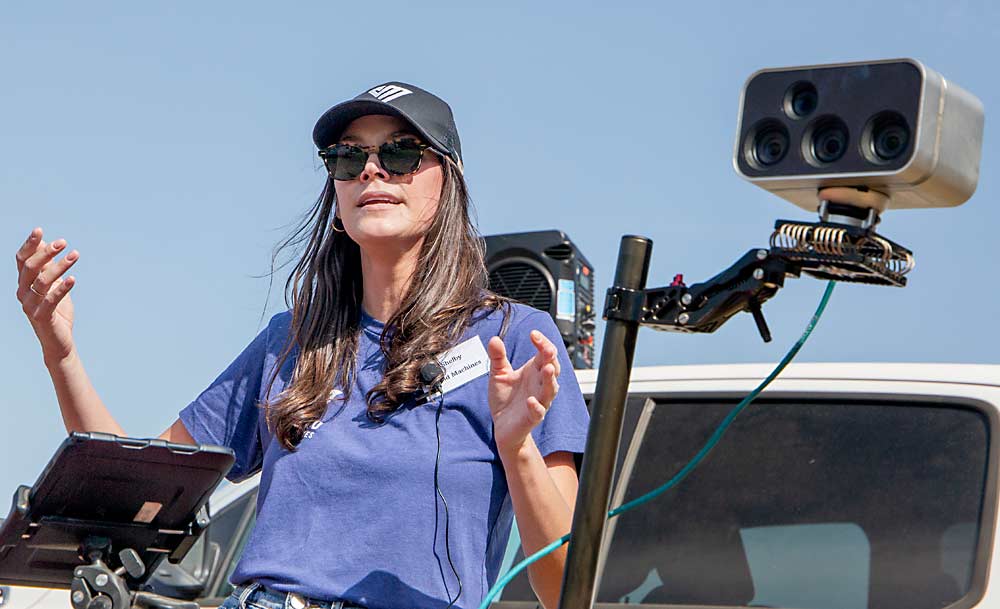
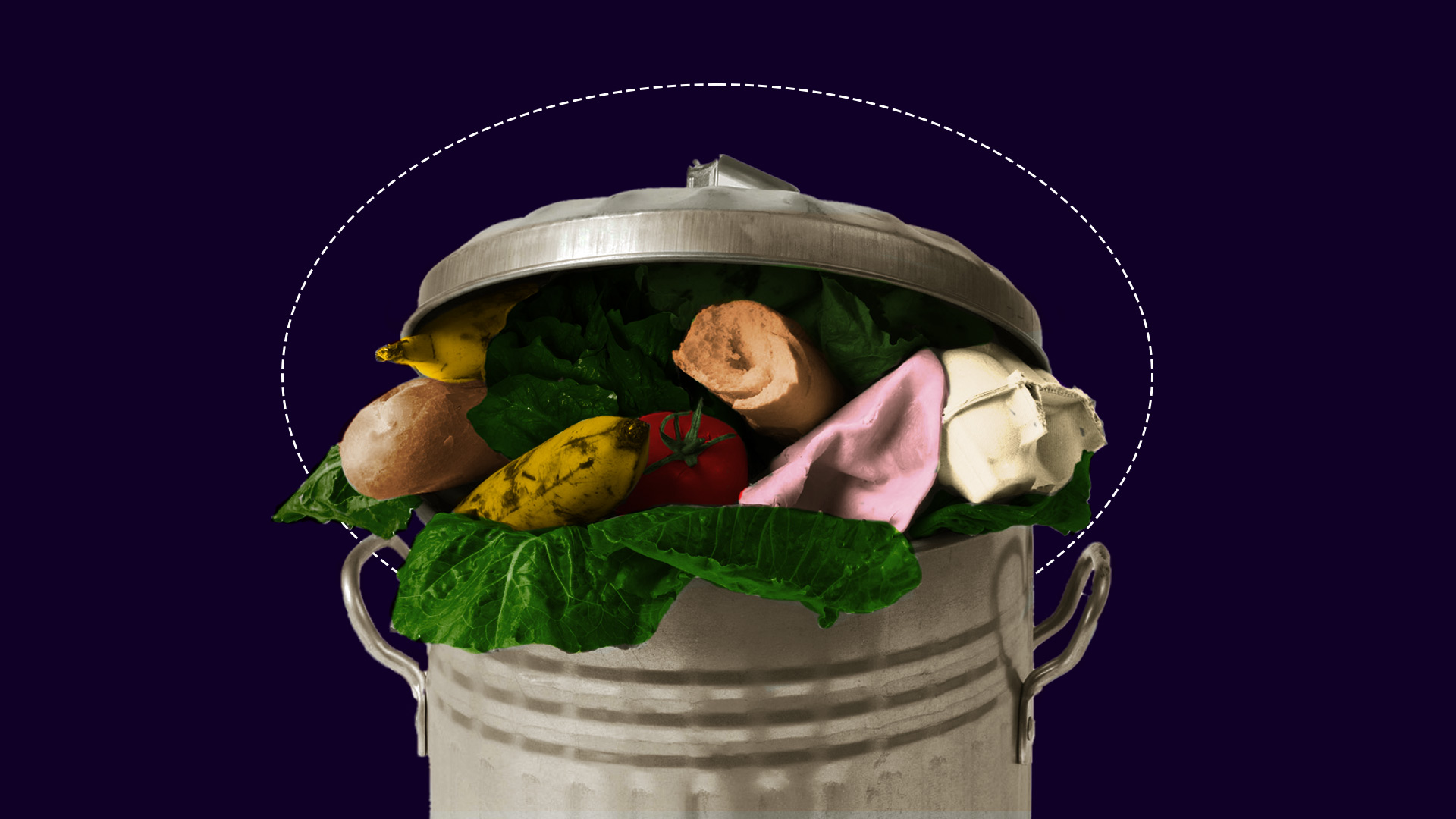
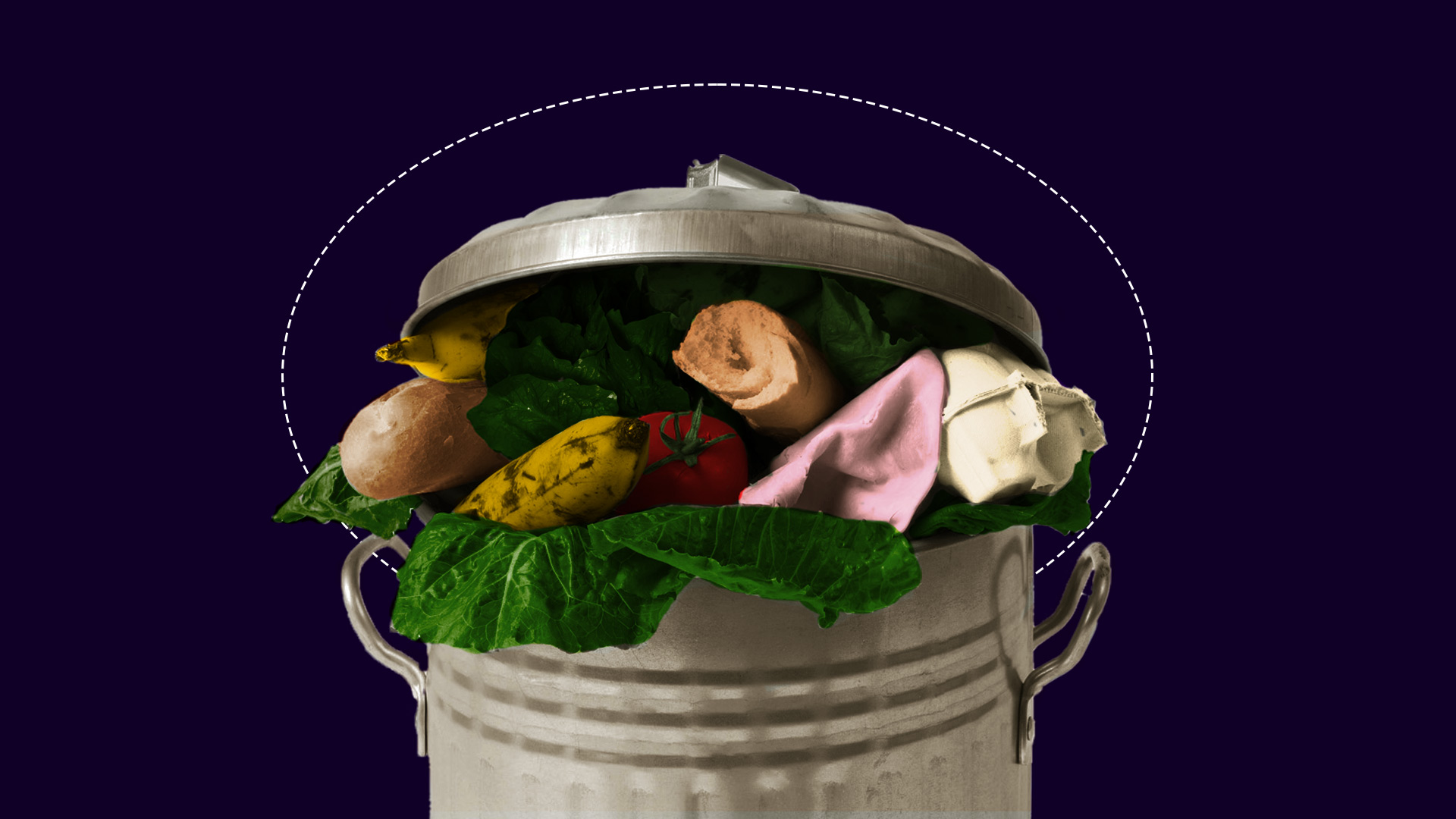
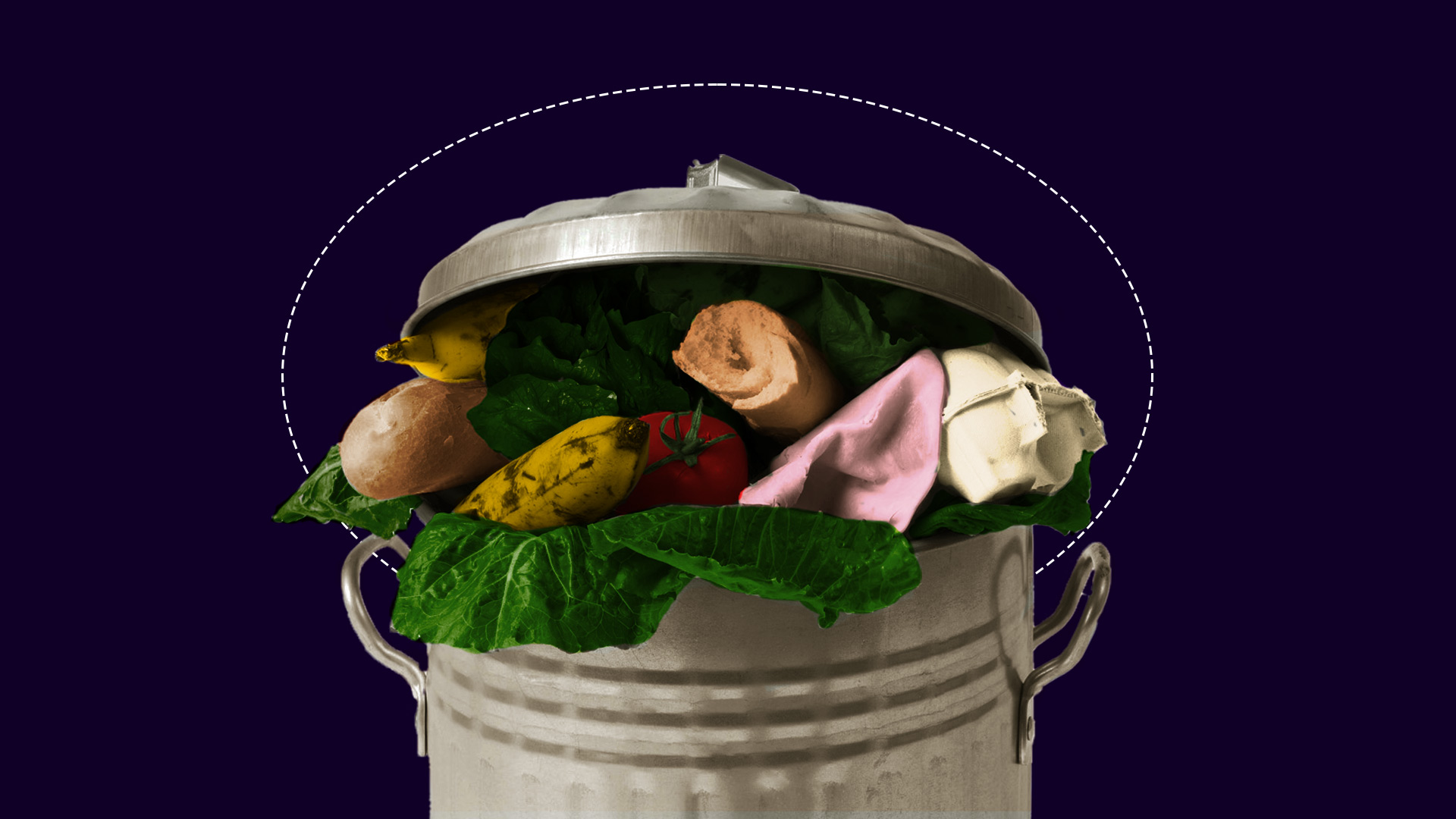
Last modified: 2025-02-04