
Housing Supply Challenge: Round 3 - Northern Access
Reduce the time, cost, and risk to access resources for building and maintaining appropriate northern and remote housing supply
Introduction
The results are in!
What is the Northern Access round?
The Northern Access Round seeks solutions that reduce the time, cost, and risk to access resources for building and maintaining appropriate northern and remote housing supply.
Inefficient supply chains put northern and remote housing at risk of rapid deterioration and severely constrain new housing development.
In northern and remote regions, the supply chain deals with various factors that make accessing materials and resources a challenge. The effects of the supply chain on housing supply vary widely and include:
- Remote building sites that receive incorrect or damaged materials cannot return them and order new supplies within timelines and budgets, and using the wrong materials lowers the quality of housing.
- The risk of unforeseen events is high in northern and remote projects, which results in high contingency funds for developers, contributing to the high cost per square foot.
- Land-locked (fly-in fly-out) communities face cargo limitations of the aircraft capable of servicing short gravel airstrips, limiting the materials and equipment for building.
- The window to transport by ice road is getting increasingly shorter with climate change; sea shipping is also limited to a short seasonal operation
- Planning and spending must occur long before building.
Definition of “Northern”
The Northern regions include the: Yukon, Northwest Territories, Nunavut, Inuit Nunangat (Nunavik, Nunatsiavut, Inuvialuit settlement region), Northern regions of British Columbia, Alberta, Saskatchewan, Manitoba, Ontario, Quebec and Newfoundland and Labrador.
This round will be inclusive of all communities that consider themselves northern or remote based on varying definitions.
A wide range of solutions that will improve efficient and affordable access to materials and resources in northern and remote regions are relevant to this round, including:
- transportation and logistical solutions that improve access to building materials and resources
- solutions to increase accessibility to fly in / fly out communities
- solutions to improve climate adaptation and locally appropriate techniques
- capacity and training solutions that address the high cost and limited access to training delivery and new approaches for youth and students
- local, community-driven solutions that reduce dependency on the supply chain
- technology solutions that improve or expand existing infrastructure
- innovative approaches to materials, including new material development, community warehousing and economies of scale
- alternative methods for financing land development and construction
We are using “appropriate” to describe housing supply to underscore the limited housing supply in northern and remote regions that has been experienced for generations, which includes a lack of high quality, culturally appropriate, affordable, and climate-relevant housing. Each northern and remote community has unique considerations for what appropriate housing supply could be, which may include:
- The geographic region, including the climate and environment
- People’s housing preferences and needs
- Cultural and community considerations
- Housing affordability, cost effectiveness and financing
- Housing quality i.e., in terms of materials, architecture, structure
- Energy efficiency, sustainability, climate change adaptation or mitigation, environmental impacts, including permafrost disruption
- Required infrastructure to support housing
- Other
Note: The Housing Supply Challenge targets housing supply and affordability barriers that exist at the system level, ensuring we can build more units in the future. It doesn’t directly fund the construction of new units.
Objectives
There are three objectives for the Northern Access Round:
- Reduce time, cost, and risk to access required materials for housing in remote communities.
- Demonstrate impact on building or maintaining appropriate housing supply.
- Provide direct benefit to northern and remote regions.
Learn more about the Housing Supply Challenge’s other opportunities.
Prepare your submission
- Sign up for updates about this round
- Northern and Remote applicants only - Consult with our Northern Ideas Development Program (NIDP) –. The NIDP is facilitated by Innovation 7
- Consult with our Applicant Support Program to start preparing your application. The Support Program is facilitated by Evergreen.
Recognizing Support from:




About
Housing Affordability Matters
Everyone in Canada deserves housing they can afford and that meets their needs. Still, many Canadians struggle to find, maintain and afford a place to live, as a lack of supply in cities coupled with significant demand for housing can push prices up.
In 2016, 2.9 M households were spending more than 30% of their gross income on housing. 1.5 M of those households were in core housing need. It is estimated that by 2030, an extra 2.1 M households will need a place to call home.
Why a Housing Supply Challenge?
Challenges are powerful tools to address complex issues where the objective is clear but the path to achieving the objective is not. Given the potential for innovation in the housing system, the Housing Supply Challenge offers an opportunity for innovators to present disruptive solutions that can effect change.
- Complex issue with a clear objective: Canada requires more housing that is affordable, but there is no single solution that can address this need. This Challenge is an opportunity to address a problem that cannot be solved by one organization.
- Local solutions to local issues: The Challenge is an effective medium to spark change from the ground up and mobilize participants to engage with and solve issues in their area.
- Housing supply at the national level: Different rounds of the Challenge can bring housing supply solutions to light that can be scaled up nationally, and others that can be replicated across various municipalities.
- Working together: The Challenge is an opportunity to bring housing sector participants together, empowering collaboration and partnerships.
- New perspectives: The Challenge welcomes new participants to engage with, and provides an environment that encourages and rewards innovation.
Rounds
The Housing Supply Challenge will award up to $300 million in funding through a series of unique challenges on different topics over a five year period. More details will be available when each round launches.
- Round 1 - Data Driven [Applications closed]
- Round 2 - Getting Started: Pre-development Processes [Applications closed]
- Round 3 - Northern Access: Supply Chain Solutions for Northern and Remote Housing [Applications closed]
- Round 4 - Construction Technology [Applications closed]
- Round 5 - Level-Up [Applications closed]
Identified Issues, Trends, and Supply Barriers
The Canada Mortgage and Housing Corporation has identified some of the key issues and trends affecting housing supply in Canada, which shaped the development of the various rounds of the Challenge. Consultations with stakeholders and experts improved our understanding of these issues, which include:
- Support for urban densification
- Inefficiencies in construction
- Limited data on land availability and value
- Long approval processes and timelines
- Land availability constraints
- Lack of flexible tenure options
- Misalignment between urban infrastructure and housing plans
- Conflicting incentives for creation of new supply
Support for urban densification
Increasing the densification of our cities is a critical part of increasing housing supply. Municipal and provincial governments across Canada are taking steps to combat urban sprawl, however, it is unclear if the process of densification is meeting its potential. Defining the "appropriate" level of population density in urban centres remains a difficult task. In some cases, public resistance adds a further barrier to increased density.
Inefficiencies in Construction
The cost of building new homes consists of the cost of the land that is being built on, and the materials and labour to build the structure. Although the productivity of the construction industry has been largely constant over time, a challenge could focus on finding efficiencies through innovative methods such as manufactured production, 3D printing, materials usage, etc., which could be applied in areas affected by housing supply constraints.
Limited data on land availability and value
Land prices are critical to understanding urban economies. They reflect overall housing demand, but can also be affected by elements such as proximity to infrastructure and regulations. In Canada, there is currently a limited availability of transparent and open data on land ownership and land prices (with certain exceptions in some provinces).
Long approval processes and timelines
Building new housing can be a lengthy process. In many cases, the time delay to build involves moving through administrative and regulatory processes to obtain approval for new development or re-development. There may also be delays in getting appropriate infrastructure in place. This can increase uncertainty reduces the timeliness of responding to price increases. It can also lead to price increases directly. This barrier is strongly linked to local contexts and planning processes that differ widely between municipalities across the country.
Land availability constraints
Limited land availability is a key factor limiting the growth of housing supply in many markets. Factors affecting land availability include geographic and natural features, as well as land which could potentially be developed for housing but might be zoned or used for other purposes. However, land can also be constrained by controllable factors such as the various planning functions undertaken within jurisdictions or by maintaining underutilized land uses for lengthy periods of time (e.g. vacant shopping malls, etc.).
Lack of flexible tenure options
Housing tenure refers to how a property is occupied. It can be rental or ownership. Tenure isn’t a feature of housing supply, but a property can be built to serve a particular tenure type. Tenures can shift, for example, moving from ownership to rental. The fact that tenures can change suggests that innovation may be possible in this area, but it is unclear whether existing housing structures or designs are amenable to flexible tenures. Limited tenure options and housing choices have a large impact on vulnerable populations such as racialized communities, those fleeing violence, and seniors.
Misalignment between urban infrastructure and housing plans
Housing choices are often linked to the time it takes to get to work and local amenities. For many people, a challenging commute means that they will want to live closer to their place of work or services that they routinely access. While many jurisdictions are encouraging development of housing near transit, in many cases the high cost of new transportation infrastructure limits its expansion in a timely way to many urban areas, which in turn affects supply.
Conflicting incentives for the creation of new supply
Many of these topics interact and overlap, and there may be tensions between them. A municipality with strong densification policies may find it difficult to implement these policies in new housing developments due to market demands. New development may primarily take place at the edges of cities, where transportation networks are less developed, leading to longer commute times and higher commute costs, and counteracting the otherwise lower housing costs. It takes time for new supply to come to market, and there may be a gap between the desires of a changing demographic and the available housing stock.
Investing in Change
The Challenge is part of Impact Canada and is led by the Canada Mortgage and Housing Corporation (CMHC), in collaboration with the Impact and Innovation Unit in the Privy Council Office and Infrastructure Canada. Up to $300 million will be distributed over five years through the various rounds of the Challenge.
Process
There will be five separate and unique rounds as part of the overall Challenge. Details and information surrounding each round will be released as they become available.
Objectives of this round
- Reduce time, cost, and risk to access required materials for housing in remote communities
- Demonstrate impact on building or maintaining appropriate housing supply
- Provide direct benefit to northern and remote regions
1. Reduce time, cost, and risk to access required materials for housing in remote communities: there are long timelines required for maintaining and building housing supply, high costs for transporting materials, and difficulty funding projects
2. Demonstrate impact on building or maintaining appropriate housing supply: Given that solutions are aiming to reduce supply chain barriers, it is understood that impact may also extend to a variety of different industries, sectors, and regions, but solutions must connect the impact directly back to housing supply. What is considered appropriate housing supply will depend on different contexts, including the geographic region, cultural considerations, housing quality, and sustainability.
3. Provide direct benefit to northern and remote regions: direct benefit can be provided in many different ways, including benefit and impact that is economic, environmental, social, or cultural. All solutions must demonstrate how they provide direct benefit to northern and remote regions and communities. The primary beneficiaries should be the regions in which the solution is focused.
Stage 1
-
Application intake
February 23 - June 23 2022
Applicants develop initial submissions
-
Submission deadline
June 23, 2022
-
Evaluation and shortlisting
June - August 2022
Applications evaluated and incubation funding announced
Stage 2
-
Shortlisted applicants develop final submissions
September 2022 - September 2023
Shortlisted applicants refine their solutions and design their implementation plan
-
Submission deadline
September 2023
-
Evaluation
September - November 2023
-
Selection of successful solutions
November 2023
Stage 3
-
Implementation
November 2023 – March 2025
Funded applicants negotiate contribution agreements and implement solutions
Evaluators

Bill Semple
-
Full bio
Bill is a designer, researcher, builder and consultant whose work focuses on the design and development of culturally appropriate, sustainable housing and communities across the Canadian north and Alaska. Placing a strong emphasis on community engagement and the use of a design process that is geared towards the needs of remote northern Indigenous communities, Bill facilitates design workshops that engage a wide range of community members to discuss issues and share/develop ideas on the design and construction of culturally appropriate, super energy efficient northern housing. Bill has more than 20 years experience working on projects across the Canadian north and Alaska, developing a body of work which he has presented at numerous national and international conferences, and universities in the Circumpolar north.
With a strong interest in building northern capacity in the areas of design and research, Bill co-teaches a course in ‘Sustainable Building in Extreme Environments’ at the Denmark Technical University in Copenhagen (Sisimiut Greenland campus) and is an external supervisor and evaluator in the Doctor of Design programme in Architecture, Planning and Landscape at the University of Calgary. Bill is a member of the Board of Directors of the Cold Climate Housing Research Center in Fairbanks Alaska, is a Research Associate with the Arctic Institute of North America, and is a member of the Indigenous Task Force of the Royal Architecture Institute of Canada (RAIC). In addition to his work in the far north, he continues to carry out design and consulting work with Tibetan communities in northern India. Issues of sustainability, both cultural and environmental, are significant drivers of his work.
Bill has a Bachelor’s Degree in Environmental Studies from the University of Waterloo, a Masters in Environmental Design (Architecture) from the University of Calgary and a PhD (Human Ecology) from the University of Alberta.

Susane Havelka
-
Full bio
Dr. Susane Havelka is an Architect and Postdoctoral Fellow at Memorial University of Newfoundland. Her research spans social, economic and technical domains to develop and establish sustainable, culturally appropriate housing strategies through community engagement and collaborative methodologies. Her work specializes in extreme climate construction using suitable materials and simple sustainable technologies and building systems. Following her studies in Engineering and Design at MIT and Architecture at Columbia University, she worked for 20 years at architectural firms in Osaka, Toronto, New York, Berlin and Prague on a wide variety of creative housing challenges. She was awarded her doctorate by McGill University after dissertation research documenting the constructions of a flourishing self-building tradition in Canada’s Eastern Arctic. Since then, Susane’s focus has been to enable affordable, responsive building systems using local resources while leveraging traditional expertise and a well-established self-building culture. With the Minimum Cost Housing Group at McGill University, her work with the community of Kuujjuaq led to a National Urban design Award. As a Postdoctoral Research Fellow Susane examines the links between self-building and well-being in Northern remote communities of Greenland and Canada. Susane is currently a co-researcher on two pan-national research projects with SSHRC/CMHC and ArcticNet aimed at eliminating housing insecurity in the North.

Bonita Nowell
-
Full bio
Bonita Nowell is an award-winning collaborator, public policy and post-secondary program manager, a seasoned professional and Northern subject matter expert in public procurement, supply chain management and program management, demonstrated by her experience and professional designations as Certified Professional Purchaser (C.P.P) and Supply Chain Management Professional (SCMP). She is a family historian and a sixth generation Indigenous Northerner,
Bonita achieves success for organizations with compassion and a personal standard of excellence. She maintains professional memberships with Supply Chain Canada and the Project Management Institute, and draws upon her creative strengths in planning activities. In addition, Ms. Nowell is a leader in the supply chain management profession in Canada, representing the three Northern Territories as President of Supply Chain Canada Northern Territories Institute and as a member of the Federation Council.
Her story is featured in the October 2021 issue of Supply Professional Magazine https://www.supplypro.ca/digital-archive/october-2021/

Dr. Boualem Ouazia
-
Full bio
Dr. Boualem Ouazia is a Senior Research Officer at the National Research Council Canada, with a strong expertise in the areas of residential and commercial buildings HVAC, ventilation and indoor air quality (IAQ). He has led several research and applied R&D projects (>45 projects) related to HVAC systems, Ventilation/air distribution systems, heat and energy recovery ventilation systems, Northern housing, thermal comfort, field intervention and monitoring techniques. Dr. Ouazia has been a community infrastructure thrust lead for NRC’s Arctic Program (2015-2020) to lead research related to ventilation of Northern Housing, and now he is the housing technical lead for the new NRC’s Arctic and Northern Challenge program. Dr. Ouazia is very active on the national and international stage through a robust record of publications as well as a full range of technology transfer activities.

Gerald Anderson
-
Full bio
Gerald has over 40 years experience working with the federal government, industry, and the Marine Institute of Memorial University of Newfoundland and Labrador. In 2018, Gerald retired from the position of Director of Development and Engagement with the Marine Institute (Vice-President’s Office) with responsibility for business development, government relations, public engagement, northern affairs (circumpolar), aboriginal affairs, and alumni affairs and advancement (fundraising).
Gerald has traveled extensively with the Marine Institute, including in Canada’s north, all circumpolar countries, the United States, Europe, Asia, Africa (limited), Central America, South America and the Caribbean. From 2015 until retiring in 2018 Gerald served as Vice-President (Indigenous) with the University of the Arctic, a network university with 180 members.
In 2015, Gerald was the recipient of the Indspire Award (formally called the National Aboriginal Leadership Award). Gerald is an Ambassador with the Arctic Inspiration Prize. Gerald has expertise in Board Governance having served and continuing to serve on several Boards. Gerald just finished a five-year term with the Board of Polar Knowledge Canada, and is currently a member of the Board of Smart Ice, and a Commissioner with the Independent Appointments Commission of Newfoundland and Labrador.

Oliver Drerup
-
Full bio
Oliver Drerup is among the most experienced experts both domestically and internationally in promoting innovation and best practices in the design, construction and renovation of housing. He has spent more than five decades challenging conventional industry practices and championing better methods to create more energy efficient, comfortable, healthier and durable homes. Extensive international experience with a demonstrated ability to work effectively and creatively with builders, developers, industry and professional associations, research organizations, different levels of government, regulatory agencies and educational institutions.
Oliver is a founding member of the Board of Directors of the Cold Climate Housing Research Centre in Fairbanks, Alaska as well as an original trainer for The Alaska Craftsman Home Program. He has delivered building projects and training courses throughout the Canadian North. Most recently, Oliver has been involved in a housing needs assessment for the Government of Nunatsiavut.

Stephen van Dine
-
Full bio
Stephen Van Dine is Senior Vice President of Public Sector Governance at the lOG. ln his role, responsible for overseeing the IOG's broad public sector governance practice, which includes governance advisory, research on public governance principles and practices and instruction.
Born in Lunenburg, Nova Scotia, Stephen attended high school in the Northwest Territories and began his career as a community planner with the City of Yellowknife and later with the Government of the Northwest Territories, Department of Municipal and Community Affairs. ln 1997, he began working at lndigenous and Northern Affairs Canada's Yellowknife Regional Office, transferring to the National Capital Region in 2002. Since then, Stephen has led a number of program, policy, and legislative sustainable development initiatives with respect to Northern governance, the Arctic, the Devolution of Land and Resource Management Responsibilities in the Northwest Territories, the implementation and modification of the Nutrition North Canada program, and the lnuit Nunangat Declaration. Stephen also oversaw the construction of the Canadian High Arctic Research Station, and supported the legislation to establish Polar Knowledge Canada. He served as Indigenous and Northern Affairs Canada’s Champion for the Committee of Aboriginal and Native Employment. More recently, Stephen has been working on a long term asset sustainability strategy for Parks Canada Agency along with overseeing critical corporate functions with respect to information Technology, Cabinet, and Regulatory Business, Asset Management, and Security.
Stephen holds a Master’s in Public Administration from Queen’s University and a degree in Urban and Regional Planning from Ryerson University. Stephen recently completed an Executive Certificate in Energy and the Environment from the Kennedy School of Government at Harvard University.

Shashi Shahi, Ph.D.
-
Full bio
Dr. Shashi Shahi’s research focuses on Supply Chain and Operations Management issues of the Canadian industry, with particular emphasis on handling the supply and demand uncertainties using simulation-based optimization models. Dr. Shahi specializes in integrating the entire supply chain and studies the impact of sustainable supply chain management practices on firm performance. His research work on sustainable supply chain management with First Nation communities focuses on developing renewable energy simulation models for their economic development, ensuring environmental sustainability and societal acceptance. Dr. Shahi has developed bootstrap data envelopment analysis operations management models for analyzing the relative technical efficiencies and understanding the intra-industry meta-frontiers in the Canadian industries. His current research focuses on integrating the quantitative and qualitative sustainable supply chain management models with artificial neural networks for the best performance modeling of the industry. At Yukon University, Dr. Shahi works on solving unique northern business problems, supporting local innovation, increasing student research capacity, and building a stronger, more resilient North. He has developed Autoregressive Integrated Moving Average (ARIMA) models, Vector Error Correction (VEC) models, and Artificial Neural Network (ANN) models for manpower demand forecasting in the Yukon Territory.

Sheila Downer
-
Full bio
Sheila Downer (Masters Technology Management Candidate (2022), Memorial University of Newfoundland) has lived and worked in Labrador for more than 37 years and is a strong advocate for the development of rural, Northern and coastal communities. Ms. Downer has worked as part of a team throughout Labrador to build local knowledge, skills and effective tools to support the way people live, work and do business in Northern communities, and she has been actively involved in a wide range of community, regional and international organizations. Ms. Downer’s work has primarily been focused in Labrador’s municipal, business, education, health, tourism and regional development sectors and has been supported with experience in providing project partnership, regional network development and ICT services internationally. She currently works with the Memorial University of Newfoundland’s Harris Centre and Office of Public Engagement as the Strategic Northern Liaison, and she also serves as the Vice President of Finance, Development and Engagement for the University of the Arctic. Ms. Downer has been recognized as one of Atlantic Canada’s Top 50 CEOs and is an active leader in many volunteer capacities on a local, regional and provincial basis, including SmartIce, International Grenfell Association, Labrador North Chamber of Commerce and University of PEI Institute of Island Studies Advisory Board.

Carly van de Pol
-
Full bio
Carly has over 20 years of experience in supply chain management with a background in purchasing, international logistics, inventory management and software applications. She worked in a diversity of industries, namely distribution, automotive manufacturing, pharmaceutical manufacturing, distribution, and oil & gas.
Her focus over the last few years is helping small and medium sized companies to set up their end-to-end Supply Chain as well as improving established companies to improve their business processes through enhancements in technology.
Carly holds a Master’s in Business Administration, Bachelor of International Business and is certified in Logistics, Transportation and Distribution (CLTS) from APICS.

Andy Moorhouse
-
Full bio
Andy Moorhouse has worked in leadership for more than 20 years in various capacities, managed groups under a non-for-profit organization, elected in various capacities such as Mayor of the Northern Village of Inukjuak with a population of more than 1,800 as well as designed, developed and managed programs with more than $ 10 Million in annual funding. Currently, the Executive Vice President responsible for Economic Development of Makivik Corporation, where he is manages Economic Development opportunities in Nunavik and develop the support network for the business community to ensure succeeding in a challenging environment. Andy was also Executive Director for the Inuulitsivik Health Center, managing a central hospital in Puvirnituq as well as 6 satellite CLSC’s on the Hudson Bay Coast from the communities of Kuujjuaraapik to Salluit. Where he was managing a combined staff of more than 1,000 with an operating budget of more than $ 140 Million.
I take on challenges with stride and gather possible solutions to ensure the best option is summarized and implemented. He is able and open in working with others and I go the extra mile to get the job done efficiently and effectively.
An avid hunter who enjoys camping on the land for subsistence living. Living a partly traditional lifestyle where country food is an important source of our diet and also ensure that he teaches his children that traditional lifestyle he was taught by my family and friends.
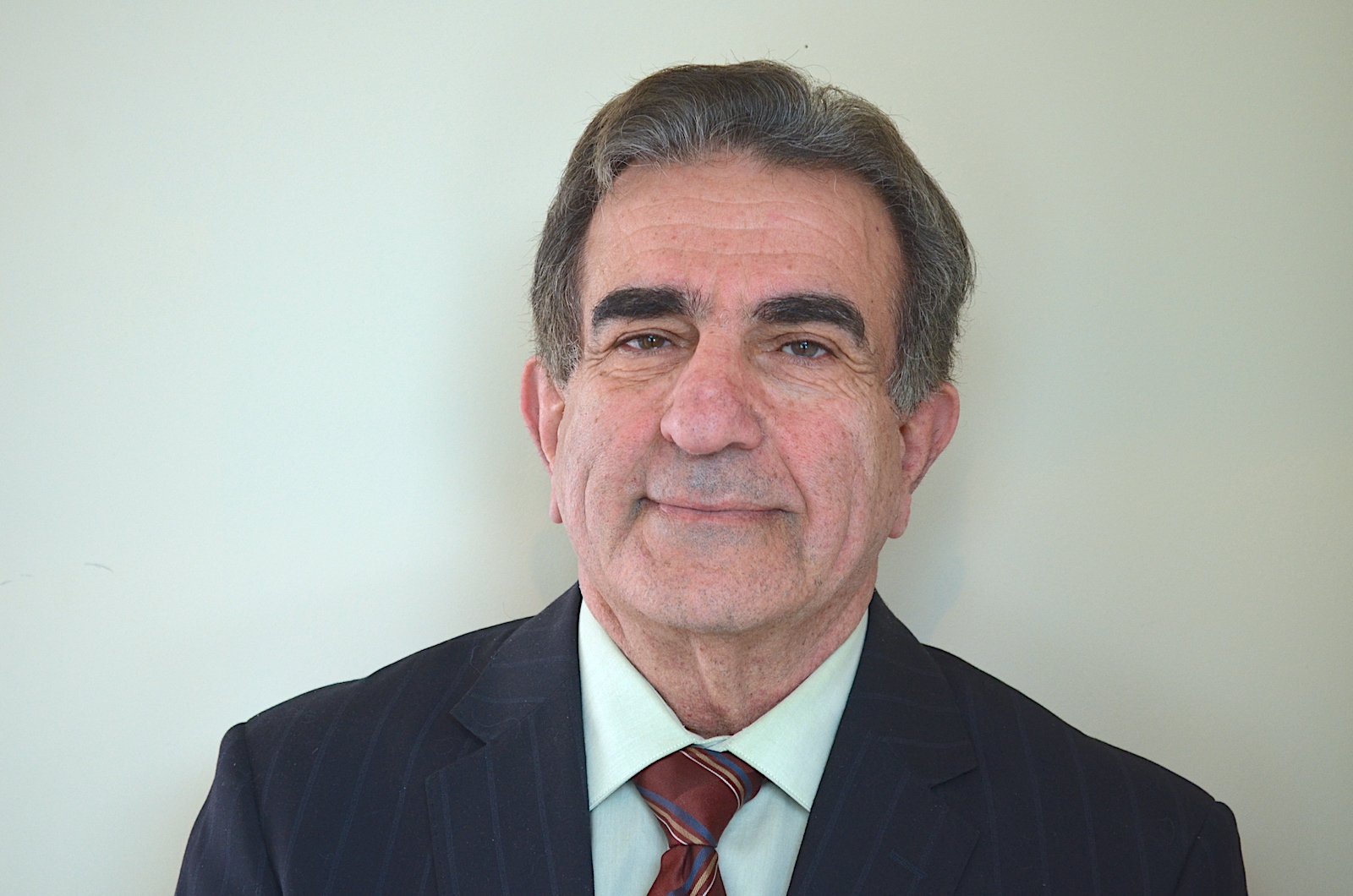
Kayhan Nadji
-
Full bio
Kayhan Nadji Holds a Master of Architectural and Urban Planning and has many years of experience in architectural design, urban planning, and project management and administration.
Contribution to Northern Architecture.
Based in Yellowknife, Northwest Territories and operating in one of the world’s most remote regions, Kayhan Nadji is passionate about creating designs which respect local culture and traditions. He regularly works with remote indigenous communities to create spaces where they can comfortably work to achieve the goals of their people. Kayhan has spent significant time learning about the unique culture of indigenous communities for more than 30 years and to bring the indigenous architecture to contemporary architecture.
Architectural AwardsHis design of TIPI house has won a national merit award in 2000, organized by Design Exchange magazine, and the Regional Merit Award in 2013 for the design of Sombak’e Civic Plaza in Yellowknife. His sensitivity to indigenous culture has contributed to high standard of design for many indigenous communities around the North.

Judith Bosire
-
Full bio
Judith is an economist with over 10 years of experience delivering research, analysis and strategic advice to governments and agencies, associations, private sector, and Indigenous communities on issues at the intersection of policy, social and economic development, and strategy.
Based in Iqaluit, NU, Judith is currently the Regional Manager of Operations for the Canadian Northern Economic Development Agency (CanNor) overseeing and implementing projects and other initiatives to support economic development across Nunavut.
Her prior professional experiences include Deloitte Canada as a senior economist leading teams across the national platform to deliver large-scale projects; MNP as an economic consultant providing research and advisory services to private sector government and Indigenous communities; The Firelight Group as a socio-economic researcher supporting Indigenous communities and governments on economic development initiatives; and Merrill Lynch on Wall Street.
With demonstrated experience in managing regional and national initiatives centered on the state of the Canadian economy as well as lived experience working on economic development issues in the North, Judy brings expertise in providing an economic lens to issues impacting remote regions and Indigenous communities unique to Nunavut and the Canadian North.
Judy also serves on various board of directors across Canada and delegates on various industry and federal tables on Nunavut economic development including the Nunavut Labour Market Forum; Nunavut Economic Development Association webinars; EntrepreNorth panel, etc.

Sandra Turner
-
Full bio
Sandra brings over 30 years of direct housing experience in Canada’s Northern Territories. Her career started in the Baffin District of Nunavut in 1990, then to the South Slave District where she managed programs and direct delivery. She then moved to NWTHC’s headquarters where she contributed to the development of programs and policy. In 1998 she became the first Corporate Representative with CMHC for NWT and Nunavut representing all business lines. She delivered programs under the National Housing Strategy in all 3 territories up until her time of retirement in 2020. She now represents the North on the Board for the Community Housing Transformation Fund along with local boards, and a part time position as Executive Director of Special Olympics N.W.T. in her home community of Yellowknife.

Madeleine Redfern
-
Full bio
Madeleine Redfern is an Indigenous woman involved in high-tech and innovation. Actively involved in transformative technologies in telecommunications, transportation and energy.Currently Madeleine is the President of Amautiit: Nunavut Inuit Women’s Association, President of Ajungi Consulting Group; Chair of Nunavut Legal Services Board; Advisor to Canadian Nuclear Laboratories, Trudeau Foundation Board Member (former Trudeau Foundation Mentor); Co-Chair with Gordon Munk Arctic Security Program; Board member of Maliiganik Legal Aid. Madeleine is from Iqaluit, Nunavut and a graduate of the Akitsiraq Law School with an LLB from the University of Victoria. She was the first Inuk to be given a Supreme Court of Canada clerkship.
As a businesswoman and a strong social advocate for transformative initiatives, Madeleine has a great deal of governance and volunteer experience with Indigenous and Inuit organizations, including, but not limited to, Inuit Non-Profit Housing Corporation; Tungasuvvingat Inuit Community Centre, and one of the founding members of Wabano Aboriginal Health Centre and Inuit Head Start in Ottawa. Madeleine was also the executive director of the Qikiqtani Truth Commission, a commission that reviewed the “effects of federal government policies on Eastern Arctic Inuit” between the 1950s and 1980s.
Madeleine's advocacy, professional, and governance work shown my dedication and passion towards the development and delivery of programs assisting Indigenous, Inuit, northerners and Canadians that reflect their values, needs, and priorities. Madeleine received the Indspire Award for Public Service to acknowledge and celebrate all her hard work, commitment and contributions.
Recipients
How did we get here?
187 solutions submitted.
33 solutions shortlisted, receiving up to $250,000 each to prototype their solution.
15 prototypes were selected for funding and will share a pool of up to $74.8 million to start implementing their solutions today!
Round 3 of the Challenge is called Northern Access – Supply Chain Solutions for Northern and Remote Housing. This challenge seeks solutions that reduce the time, cost and risk to access resources for building and maintaining appropriate northern and remote housing supply.
Explore the 15 innovative solutions that received funding to bring their ideas to life.
UpFast Indigenous! A housing and training solution for northern and Indigenous communities
Pewapun Construction Ltd.
UpFast Indigenous is spotlighting a successful housing model from the collaboration between Atoskiwin Training and Employment Centre and Pewapun Construction Ltd in Nelson House, Manitoba. This model builds energy-efficient homes using structurally insulated panels (SIPs). It also focuses on creating employment opportunities for Nisichawayasihk Cree Nation's youth through a training-to-employment pathway.
The initiative has expanded to Rankin Inlet to build student housing for Nunavut Arctic College. This will support students and their families and prepare trades students for future employment through valuable skills and an "earn-while-you-learn" approach. This strategy addresses the urgent need for affordable housing and facilitates the transition between educational and employment.
The construction process is tailored to the northern climate, with work mainly happening indoors in winter. Panels are made in Nelson House, then shipped to Churchill, reducing transport distance and risks.
Stage 2 of this project involves creating mentorship opportunities and leveraging Nelson House facilities in collaboration with the Nunavut Housing Corporation and Nunavut Arctic College. The project aims to train and empower youth to build houses using SIPs, resulting in a sustainable model with a long-term vision for addressing barriers to supply in the North.
Fort Good Hope Construction Centre
Taylor Architecture Group
The Fort Good Hope Construction Centre is set to be a community-owned initiative in the Dene community of Fort Good Hope, N.W.T. This project will empower the community with tools and resources needed to build new housing. This will be a significant step towards self-determination in housing and create permanent jobs. This initiative will also enable a local organization to build homes within the Sahtu Region for the first time in decades.
This solution will address several barriers to building and maintaining housing. It will do this by offering a positive work environment, adequate material storage space, stable year-round jobs and continuous on-site training opportunities.
Fort Good Hope, lacking a traditional housing market, faces housing challenges and high unemployment levels. This project aims to address these challenges. It will also stimulate the local economy by enabling residents to participate in and benefit from regional capital projects.
As part of Stage 2, this project will continue to build on the years-long work in self-sufficient housing development in the community. This involves building the Fort Good Hope Construction Centre, providing a space to train community members in modular home construction. This will result in a resilient local construction centre to reduce the time, cost and risk for building and maintaining housing.
Constructing modular building systems with an Indigenous women-led social enterprise
Keepers of the Circle
This solution will create a matriarchal social enterprise in Northern Ontario, led by Indigenous women. It focuses on building modular passive homes that are designed with an Indigenous lens and tailored for northern climates. This solution addresses the significant housing challenges in Northern Ontario, such as the scarcity of culturally appropriate, accessible and sustainable housing solutions. Keepers of the Circle will empower Indigenous communities, especially women, by giving them a voice in the construction, maintenance and ownership of the homes.
The project emphasizes training Indigenous women in construction trades. This will enhance local workforce capacity and the representation of women in the industry. This effort fosters economic development and boosts the local economy by improving the housing infrastructure with scalable, energy-efficient solutions.
In Phase 2, the project will refine training curricula for Indigenous women and establish a modular home construction facility focusing on designing, building and installing passive modular homes. This will lead to job creation, skill development in construction and the provision of environmentally friendly, culturally relevant and affordable homes for northern communities.
Removing barriers: Ensuring access to appropriate land for accelerated housing supply in Nunavut
Nunavut Housing Corporation
The Nunavut Housing Corporation (NHC) aims to provide homes that support healthy and dignified living for Nunavummiut. Nunavut faces an ongoing housing crisis deepened by the limited availability of build-ready land across its 25 remote communities. A key part of solving this issue is having access to accurate and reliable land-related information to accelerate and diversify the supply of new homes.
The first phase of this project highlighted the need for improved access to such data for effective housing development.
In Stage 2, the project team will advance the development of the Land for Homes Nunavut Integrated Land Information Solution. This initiative seeks to improve the availability and use of comprehensive land-related knowledge, data, tools and resources. It is designed to assist housing partners and stakeholders in making informed decisions on land selection and supply for housing projects.
This solution supports social, economic and environmental benefits in Nunavut's communities. Expected outcomes include a broader range of housing options for Nunavummiut, with greater participation from diverse housing partners including Inuit rightsholders and non-profit groups. Goals also include better alignment of housing projects with a changing climate and community visions. Reduced costs and delays in the housing supply chain and improved decision-making processes through access to better data are also expected outcomes.
One Heart, One Path, One Nation - The Nisga'a mixed-use solution
Nisga'a Lisims Government
Across Nisga'a Territory, there is a critical housing supply issue. This includes a lack of available rental units, local suppliers for goods and services and storage spaces for materials. To address this, the Nisga'a developed a mixed-use solution. This solution provides Nation staff and external consultants and contractors with implementable resources, appropriate guidelines and building prototype plans for the development of mixed-use buildings across Nisga'a Lands.
The solution has been designed to provide a baseline for affordable, energy-efficient and climate-appropriate mixed-use development. It maintains enough flexibility to respond to diverse geotechnical, environmental and end-user needs.
In Stage 2 of the project, Nisga'a will further develop the prototypes for a mixed-use building in each of the 4 Nisga'a villages.
Tr'ondëk Hwëch'in Government training and supply hub
Tr'ondëk Hwëch'in Government Housing
The Tr'ondëk Hwëch'in Government is proposing to develop a training and supply hub facility at its Assets Compound in Dawson, Yukon. Dawson's remote location at the end of Canada's highway network complicates the building material supply chain. The new training and supply hub aims to tackle 2 significant barriers.
First, existing infrastructure does not provide enough workspace for staff and lacks secure materials storage space. This means housing projects are negatively impacted by even minor disruptions to supply delivery. Project costs increase when materials are delayed or need to be ordered on short notice. Stabilizing the material supply will help ensure more consistent maintenance of existing housing stock and reduce the cost of materials. This solution involves building 2 large shops with adjacent offices and a secure storage shed so materials can be bulk ordered to stabilize local supply.
Second, to address the shortage of skilled trades and to ramp up production, the training and supply hub will provide space for trades training programs. This will help the government deliver more consistent training opportunities for citizens. It will also provide the necessary infrastructure for the potential training partner, Yukon University, to park their trades trailer at the facility. This option was not previously available to the community.
Stage 2 of the project involves constructing a new facility that includes offices, classrooms and workshop spaces. This facility will support housing maintenance and the prefabrication of building components. Additionally, in collaboration with Yukon University, it will host skilled trades training programs. Overall, the aim is to overcome challenges related to building material supply and storage, leading to better management of supply chains, stable material availability and fewer delays in housing projects.
Creating a Nation-based housing supply trade corridor along with related infrastructure
Grand Council Treaty 3
Grand Council Treaty #3 (GCT#3) is working to establish a housing supply trade corridor that will enhance the access of Anishinaabe communities within Treaty #3 to housing materials. This initiative came about after meetings with Treaty #3 communities revealed critical housing challenges, such as high material costs, expensive transportation, insufficient storage and limited material availability.
To address these issues, GCT#3 plans to achieve cost savings through strategies like procurement, bulk purchasing and forming trade agreements with other Indigenous Nations and corporations across Turtle Island. The plan also involves constructing warehouses and distribution centers in key locations and developing a GCT#3 transportation network.
Phase 2 of this project includes building a storage and distribution facility on Treaty #3-owned land. This development aims to make building materials more affordable and accessible, aligning with the Anishinaabe Nation in Treaty #3's broader goals of economic reconciliation, inherent jurisdiction, sovereignty, Nation-building and implementing traditional governance processes.
A scalable solution providing quality modular homes to any Northern community
Arctic Modular Homes (formerly CHOU Consulting and Development Inc.)
Northern developers face significant barriers to build much-needed homes. These include a shortage of local tradespeople, limited material access, high operational costs and a short construction season due to harsh climate conditions.
Arctic Modular Homes proposed a solution to overcome these barriers which involves designing and constructing prefabricated modular arctic homes in southern factories. After initial construction, the homes can be transported to northern communities. This method allows for continuous, year-round construction in controlled environments, ensuring access to competitively priced materials and skilled labour. The initiative specifically aims to produce homes that meet the unique climatic and infrastructural demands of the North. It also offers a scalable model for addressing housing shortages in other northern communities.
Phase 2 of this project will focus on advancing the modular home concept in the North through proven practices, including creating a new systems approach to housing development. A centralized modular housing assembly and training facility located in Winkler, Manitoba will be developed. Chosen for its strategic position to serve both eastern and western shipping ports and routes, the location will reduce costs and improve affordability.
Wîkiwin Training Enterprise of York Factory First Nation: Building healthy homes with local resources
Kawéchiwasik Development Corporation C/O YFFN
The Wîkiwin Training Enterprise aims to address the housing needs of York Factory First Nation by leveraging local resources and tradespeople to build homes while also fostering community growth. By integrating housing-for-all objectives with social, educational and economic goals, housing will help heal and enrich the community.
In collaboration with the University of Manitoba, the solution will include a comprehensive education model that includes a co-created curriculum, training programs, housing designs and research on building materials. Focusing on sustainable construction techniques using local stone and wood, the initiative promises to employ residents, cut production costs and enhance housing quality. Additionally, the creation of a year-round trades workshop and a dormitory for student families will boost the local labour force and offer hope to York Factory First Nation and other Indigenous youth.
As part of Stage 2 of the project, the project team will build the Wikiwin workshop. This will not only provide housing for homeless and underhoused students in a family dormitory but also facilitate their involvement in developing carbon-neutral home prototypes using local materials. This phase will also see the expansion of the educational curriculum in partnership with the University of Manitoba, ultimately increasing the labour force capacity of York Factory First Nation and creating more opportunities for its youth.
Building the North, by the North: Cultivating capacity through fabrication and training
Walker Home Construction
This solution involves building an expanded pre-fabrication shop by adding an onsite storage facility with improved training modules to develop local capacity. Wall panelization, where walls are constructed offsite in controlled environments, addresses supply chain and funding challenges, improving construction speed, cost and quality.
This solution will also create efficiencies in construction timelines and costs, improve quality control through storing materials and improve safety and consistency in construction.
Indoor storage of materials, like wood, reduces damage and building on flat surfaces improves construction quality. The approach shortens onsite construction time, lowering mobilization, housing and cleanup costs. This model aligns well with current construction practices and meets government funding timelines without seasonal interruptions. Training programs will increase community capacity and optimize local housing investment benefits.
Stage 2 of this project focuses on advancing prefabricated homes in Yukon by continued testing and sharing best practices. This project will also build a storage facility, improve training for local trades, update manufacturing equipment and acquire transportation for prefabricated panels. These initiatives aim to reduce construction costs and increase local delivery capacity to deliver.
Undoing the North's cyclical building supply bottleneck: Warehousing to solve housing shortages
Vuntut Gwitchin Government
Vuntut Gwitchin is Yukon's only fly-in community. Its remoteness creates a bottleneck in the supply chain to the Arctic community of Old Crow, Yukon Territory. A winter road is the only overland link to the rest of the territory's highway network. This leads to a "boom and bust" cycle in housing construction in Old Crow, with building only feasible in years when the winter road is operational. The short building season also means that even in boom years, the community can't keep up with the demand for housing.
The proposed solution involves building a warehouse in Old Crow to store multiple years' worth of materials. This will ensure a steady supply, allowing for annual home construction regardless of winter road conditions. It will also offer local job opportunities through training in storage, monitoring and inventory management, which will help address the supply challenges caused by the intermittent winter road.
As part of Stage 2, the project team will establish the Vuntut Gwitchin Housing Warehouse and Assembly Shop in Old Crow. This facility will store modular building materials for year-round housing assembly and maintenance. This approach aims to mitigate the challenges of material access in remote areas, ensuring a consistent and predictable housing production and maintenance solution.
Isolated Sahtu region warehouse-to-warehouse shipping and logistics
Rampart Rentals Ltd.
This solution proposes warehouse-to-warehouse shipping and logistics by owning and operating 2 warehouses. One warehouse is in the Gateway to the North in Edmonton, AB and the other is in Norman Wells, N.W.T. This approach facilitates the bulk purchasing, shipping and receiving of housing materials and supplies. This will offer communities year-round access to building supplies at a reduced cost. Northern communities are often limited to a 3 or 4-month window for material transport through winters and barges. By centralizing purchases and enabling direct shipments to these warehouses, costs for transporting materials to the Sahtu Region are significantly reduced.
In Stage 2, the project will enhance this shipping and logistics model between Edmonton and Norman Wells. This will allow bulk purchasing, shipping and receiving of housing materials and supplies at a reduced cost year-round. Additionally, it will focus on developing programs for warehouse training and employment in the Sahtu Region in collaboration with local partners.
Northern manufacturing of energy-efficient and durable housing panels for local construction
SIP Atlantic Inc.
Manufacturing structural insulated panels (SIPs) in Happy Valley-Goose Bay, Labrador offers a way to consistently build houses faster and more affordably than traditional methods. SIPs are prefabricated panels that can be assembled on site in half the time required by traditional construction methods. This technology has already proven successful in large-scale northern housing projects in Nunavut and Alaska.
SIP construction training in the community, in collaboration with local partners, will create a skilled workforce, resulting in long-term economic benefits. The manufacturing site, located near coastal transport, enables quick shipping of panel packages as soon as the season allows. Road access allows for year-round raw material delivery, ensuring continuous production.
Collaborating with the National Research Council and the Canadian Construction Materials Centre will optimize building techniques, materials and technology. This partnership aims to enhance construction quality, producing homes that are healthy, energy-efficient, durable and comfortable.
Stage 2 includes establishing an equipped manufacturing facility and additional training for community members through local partnerships. This will ensure more timely manufacturing and construction of SIP homes and long-term local economic benefits.
Modular housing factory and training facility in Arviat
Sakku Properties Limited
Sakku Properties Limited (SPL) is building the first Inuit owned and operated modular housing factory and training centre in Arviat, Nunavut. The facility will be operated through Sakku Innovative Building Solutions, a partnership between Sakku and RG Solutions, a leading modular housing supplier based in Québec.
This solution aims to address many barriers to improving housing supply, including the short building season, no roads for material shipments, lack of local skilled trades and high costs. The proposed solution is a modular factory in Arviat that will allow locals to build modular housing units that will be sold in Nunavut’s Kivalliq Region.
The factory will produce high-quality housing specifically designed for Arctic conditions and culture. In addition, the team will develop a red seal trades training program to create Inuit building capacity in Arviat and the Kivalliq Region. This will reduce the dependency on southern workers. It will also help to reinforce Nunavut’s economy by keeping most of the investment in housing within Nunavut.
As part of stage 2, the team will advance the development and construction of the modular construction factory and training centre. This will result in 40 full-time jobs and more than 120 indirect jobs in the Kivalliq region. Fifteen new red seal tradespeople per year are projected to graduate from the training centre. Year-round modular building will result in 35 to 40 new housing units per year.
Home as territory: A blueprint for community-driven housing production in Nunavik
Université de Laval
A significant barrier to creating culturally appropriate, sustainable and socially acceptable housing in Nunavik is the lack of involvement of Inuit communities. For housing solutions to meet their needs, Inuit communities need to play a central role in “thinking” and “building” their own homes.
This solution – a “blueprint” towards autonomy and cultural sustainability – consists of scenarios (or operating models) that genuinely account for Inuit’ seasons, practices, wisdom, resources, aspirations and expertise. The blueprint aims at making Inuit communities and organizations the most important link in the housing supply chain. This approach ensures that the initiative truly originates from, and is primarily destined for, Nunavik. The blueprint will consist of a synthesis between 3 interdependent “chantiers”, each tackling essential themes:
- “Building autonomy” is about governance and collaboration, mobilizing Inuit traditional knowledge, ingenuity and inclusive decision-making.
- “Building capacity” is about training and “hands-on” mentorship – especially for Inuit youth – drawing on skills that will help meet contemporary challenges and support innovations.
- “Building homes” is about having choice within a variety of housing types and tenure patterns and designing with territory-appropriate and sustainable construction systems, techniques, and materials.
As part of Stage 2, this project will further develop and test these 3 “chantiers” as the main step towards the implementation phases of our Home as Territory blueprint.
Stay connected
Use the hashtag #HousingSupplyChallenge to join the conversation and get the latest updates on the Housing Supply Challenge. You can also email us at challenge@cmhc.ca.
Northern Ideas Development Program for northern and remote residents
The Northern Ideas Development Program provides support to northern and remote participants who have a solution or a problem they would like to explore, but require support, resources, and capacity to develop their submission and apply.
Participants must apply to the Northern Ideas Development program to receive support. Participants will be selected on a rolling basis throughout Stage 1 (Feb 25-Jun 23) and will receive support to develop a full application to the Round. The program will support participants to meet the eligibility criteria for the Northern Access Round and will work with teams to ensure the identified problem or proposed solution aligns to the Challenge.
Support will vary for each participant based on their needs, and may include:
- research and data gathering
- seeking partnerships
- supporting solution development
- providing consulting services
- writing and submission support
- innovation sessions
- a dedicated 1-on-1 advisor
Please note that fully developed ideas are not required to use the Northern Ideas Development Program. Space for this program is limited and participants will be selected on a rolling basis.
- Email: NIDP@Innovation7.ca
- Phone: 1-800-403-4525
- Visit the Northern Ideas Development Program landing page
The Applicant Support Program for ALL applicants
All applicants, including those participating in the Northern Ideas Development Program may contact Evergreen for general guidance on the application process, application requirements, web resources to support application development and, online activities to foster partnerships and collaboration.
Contact the Applicant Support Program, run by our partner Evergreen:
- Email: HSC-DOLsupport3@evergreen.ca
- Phone: (647) 670-2265
- Visit the Evergreen Support Program landing page
Apply
Key Dates
- Launch: February 23, 2022
- Initial Submissions: June 23, 2022, 2pm EST
- Shortlisted: September 2022
- Stage 2 Final Submissions: September 2023
- Funded Solutions Announced: November 2023
Funding Allocation
- Stage 1 – Incubation Funding for prototyping: Shortlisted teams will each receive up to $250k
- Stage 2 – Implementation Funding: Selected solutions will share a pool of $75M
Who can apply
Lead Applicant must be a legal entity duly incorporated and validly existing in Canada, including :
- Supply chain professionals
- For-profit and not-for-profit organizations (ie: companies, associations, research centres)
- Indigenous governments, organizations and groups
- Canadian post-secondary institutions
- Government (Provincial, territorial, Indigenous, municipal, local, and regional)
- Teams composed of a variety of participants
* All participants must be affiliated with a legally incorporated organization
Important Resources
- Applicant Guide
- Applicant Form
- FAQs
- Northern Ideas Development Program (Innovation 7) – for Northern and Remote applicants only
- NIDP Infosession
- Applicant Support Program (Evergreen) – for all applicants
- Launch event (recorded)
- Launch event FAQs
- Northern Access Information Session
- Networking session
Last modified: 2025-01-26