
Agricultural Methane Reduction Challenge
Accelerating innovative solutions to reduce methane emissions from the cattle sector
Introduction
Finalists
Five finalists of the Agricultural Methane Reduction Challenge have been selected! These innovators are receiving funding to further develop and expand their solutions to reduce cattle methane emissions.
Transcript
[Upbeat music begins]
Text on screen: Agricultural Methane Reduction Challenge - $12M in prize funding!
[Text in yellow and white font appears on the screen, with a purple background. An image of two producers holding a tablet in a field with cattle in the background.]
Text on screen: Calling all
- Producers
- Ranchers
- Scientists
- Innovators
- Researchers
[An image of a producer leaning against a rake appears on screen. The screen transitions to a picture of a farmer crouching in a field. Animated circles in different colours appear around the edge of the screen.]
Text on screen: Do you have a solution to reduce methane emissions from cattle?
[An image of a veterinarian standing in a barn, next to dairy cattle and milking equipment.]
Text on screen: A practice, process or technology?
[An image of a research scientist using a microscope.]
Text on screen: Is it low-cost and scalable?
[An image of a farmer standing next to a cow.]
Text on screen: If yes, this challenge is for you!
[An image of a farmer standing next to a tractor.]
Text on screen: $12M in prize funding to be shared to develop and deploy ideas.
[An image of a grass field.]
Text on screen: Two final winners will be awarded up to $1M each!
[Two images consisting of cattle and a producer standing next to a person in a lab coat in a dairy barn, both looking at a tablet appear on the screen in animated circles.]
Text on screen: Agricultural Methane Reduction Challenge – Deadline for submissions: February 07, 2024
[The screen transitions to a purple sky and colourful animated bubbles along the edge of the screen.]
Text on screen: Learn more at: impact.canada.ca/en/methanechallenge
[Upbeat music ends]
Text on screen: Agriculture and Agri-Food Canada – Agriculture et Agroalimentaire Canada
[Government of Canada wordmark]
[End]
Why should we care about agricultural methane emissions?
Canadian cattle producers have a reputation for delivering both high-quality beef and dairy while making commitments to environmental sustainability goals. The sector is already taking steps to improve animal health, feed efficiency and pasture management—practices that contribute to reductions in methane emissions while delivering other environmental benefits. However, there are many unexplored opportunities to reduce greenhouse gas (GHG) emissions, especially methane from the cattle sector. By working in partnership with producers, the Agricultural Methane Reduction Challenge will help to accelerate a suite of sustainable innovations to address methane emissions head-on. By partnering together, we can move further and faster to reduce agricultural methane emissions while spurring economic growth and innovation in our economy.
80X
more potent at warming than CO2 over a 20-year period
1/3
of Canada’s methane emissions come from the agricultural sector
86%
of agricultural methane emissions come from enteric fermentation
Methane is a potent GHG with a global warming potential that is more than 80 times greater than carbon dioxide (CO2) over a 20-year period, and more than 25 times greater over a 100-year period.
The Challenge
Overview
Addressing methane emissions from cattle is complex. About 86% of methane emissions in agriculture are released through a biological process called enteric fermentation that takes place in the gut of cattle and other ruminant animals. Therefore, emerging solutions need to be backed by strong scientific evidence to ensure the welfare of the animal and the safety of the product that will be ultimately sold to consumers while accounting for the variability in farm operations. Moreover, there are only a limited number of scientifically validated and economically viable solutions ready for commercialization and/or adoption. There is an urgent need for innovations and breakthroughs.

Challenge statement
Agriculture and Agri-Food Canada (AAFC) is looking to advance innovative, scalable and economically viable practices, processes, and technologies that contribute to the net reduction of enteric methane emissions from the cattle sector, specifically cow-calf operations, feedlot, and dairy.
What are we looking for?
AAFC is looking to invest in, and support, solutions that:
- Can reduce net enteric methane emissions – through measures such as average estimated reductions per head of cattle, annual reductions in Mt CO2 equivalents, or reduced methane intensity (depending on solution type).
- Are innovative, with strong potential for meaningful change – rethinking existing solutions and processes.
- Are ready to scale up – ready to test, measure, iterate and implement.
- Have strong potential for adoption – there is buy-in from the sector and the solution can integrate with existing processes.
- Can reduce upfront costs – taking a low-technology and economically viable approach.
What are some potential innovation areas?
A non-exhaustive list of some potential innovation areas are:
- Feed additives and improvements, and related technologies such as precision feeding, improved forage quality, novel feed additives.
- Pasture and grazing management practices that either improve an existing practice or introduce a novel approach.
- Improving production and feed efficiency by leveraging improved cattle management, animal health or breeding practices.
Who can apply?
From farmers to researchers to businesses and more, the Challenge is open to all Canadians looking to advance innovative, scalable, and economically viable practices, processes, and technologies that reduce enteric methane emissions.
In order to be eligible to receive prizes, innovators must establish a legal entity (such as a registered business, corporation or a not-for-profit organization) capable of entering into binding agreements in Canada.
International innovators are encouraged to apply but will be required to establish a Canadian legal entity in order to be eligible to receive funding. In addition, innovators will be required to test, pilot, demonstrate, and deploy their solution in Canada.
Underrepresented and marginalized groups in Canadian agriculture — including women, youth, persons with disabilities, racialized persons, visible minorities, 2SLGBTQI+ communities, and official language minority communities are encouraged to apply.
Please be sure to review the Applicant Guide in detail before preparing and submitting your concept application.
Key dates
Stage 1A – Call for Applications
- Online application period opens on November 14, 2023 at 9:00 AM PT
- Online applications will close on February 7, 2024 at 11:59 PM PT
- Stage 1A results: Summer 2024
Stage 1B – Prototype development
- Technical review ends: Early 2025
- Stage 1B results: Spring 2025
Stage 2 – Testing and measurement
- Application deadline for semi-finalists: Early 2026
- Stage 2 results: Spring 2026
Stage 3 – Grow and scale
- Application deadline for finalists: Fall 2027
- Grand Prize winners announced: Spring 2028
Process & prizes
The Agricultural Methane Reduction Challenge will award up to twenty semi-finalists with up to $250,000 each. In the next stage, up to ten finalists will receive up to $500,000 each. In the end, up to two winners will receive up to $1 million each to grow and scale their solution. All semi-finalists and finalists will also benefit from non-financial support such as mentorship and training opportunities.
Note: The number of winners and the prize amounts may vary depending on the number of applications received.
Stage 1 – Application Intake & Prototype Development
Call for applications: November 2023
Applicants with an innovative way to reduce enteric methane from cattle are invited to apply to the Challenge. For the purpose of this Challenge, the cattle sector is limited to the cow-calf, feedlot, and dairy sector.
The deadline to apply is February 7, 2024 at 11:59 pm Pacific Time. Stage 1 is divided into the following two sub-stages.
Stage 1A – Concept Application – Challenge launched on November 14, 2023 and the application intake runs for 3 months. Up to 20 semi-finalists with the most promising concept applications will receive up to $100,000 each in summer 2024.
Stage 1B – Prototype Development – In spring 2025, up to 20 prizes of $150,000 will be awarded to all semi-finalists that meet the Stage 1B requirements so they can build their solution and get it ready to test it in an operational environment.
Stage 2 – Testing and measurement
In Spring 2026, up to 10 finalists will be selected to receive up to $500,000 each to further test and measure the impact of their solution in partnership with the end users of the solution, including by testing their solution on-farm.
Stage 3 – Grow and scale
Up to 2 finalists with the most impressive results will each receive up to $1 million in Winter 2028 and become Challenge Prize winners for the Agricultural Methane Reduction Challenge.
Jury
Juries are an important part of the challenge process to assess and adjudicate applications. The jury will provide AAFC with both independent and collaborative assessments based on their individual expertise and experience for the selection of prize recipients at each of the three stages. They ensure impartiality and maintain a high level of credibility to the challenge process.
All jury members declare their affiliations and interests prior to their participation, and are supported by the challenge team to prevent situations that could give rise to a real, apparent or potential conflict of interest throughout the duration of their participation on the jury.

Fawn Jackson
Full bio
Ottawa, Ontario
Fawn Jackson is a leading voice in Canadian agriculture with a particular focus on sustainable agriculture systems, research and policy. In her role as Chief Sustainability Officer, Fawn works with the Dairy Farmers of Canada senior management team to inform and implement board strategy regarding sustainability, research and on-farm programs. Fawn’s team is leading the work on DFC’s goal of reaching net-zero greenhouse gas emissions from farm level dairy production by the year 2050, positioning Canada’s dairy industry as a global leader and climate positive solution for Canada’s green economy.
In a previous role Fawn was the Director of Policy and International Affairs with the Canadian Cattle Association leading their policy and government relations teams. Additionally, Fawn was the founding Executive Director of the Canadian Roundtable for Sustainable Beef.

Karen Beauchemin
Full bio
Lethbridge, Alberta
Karen Beauchemin is a retired federal scientist in Canada who is recognized as an international authority on methane emissions and ruminant nutrition. Her research helps develop farming techniques that improve how we raise cattle for meat and milk, while reducing the environmental impacts of livestock production. The work of Karen and her colleagues has led to Agriculture and Agri-Food Canada being recognized as a world leader in measuring greenhouse gases and in developing strategies to reduce emissions from agricultural activities including from livestock production.

Cedric MacLeod
Full bio
Fredericton, New Brunswick
As a farmer, agrologist and consultant, Cedric MacLeod has contributed significantly towards progressing Canada’s agricultural industry in farm business management practices and specifically, in ensuring a future for Canada’s young farmers. Cedric is the executive director of the Canadian Forage and Grasslands Association, chair of the New Brunswick Cattle Producers, and leads his agri-environmental consulting business, MacLeod Agronomics.
Cedric works one-on-one with producers, focusing on greenhouse gas reduction and renewable energy projects. Cedric also works tirelessly to increase awareness and adoption of these beneficial management practices on Canadian farms, and particularly with young farmers.

Jorge Daniel Taillant
Full bio
Groveland, California
Jorge Daniel Taillant recently concluded his tenure as Executive Director of the Commission for Environmental Cooperation (CEC) of the North American CUSMA/USMCA agreement, promoting collaborative actions to protect the environment and advance policies to more effectively address climate change. He is a seasoned global advocate in the field of environment and human rights protection and corporate accountability, and has worked with numerous actors, including international development agencies such as the World Bank, as an advisor to governments and with civil society organizations in Latin America and around the world. He has done extensive work on glacier and permafrost protection and is the Founder and former director of the Center for Human Rights and Environment. Born in Argentina and now living in Groveland California, he is working to secure global methane emissions reductions.
Hayden Montgomery
Full bio
Montevideo, Uruguay
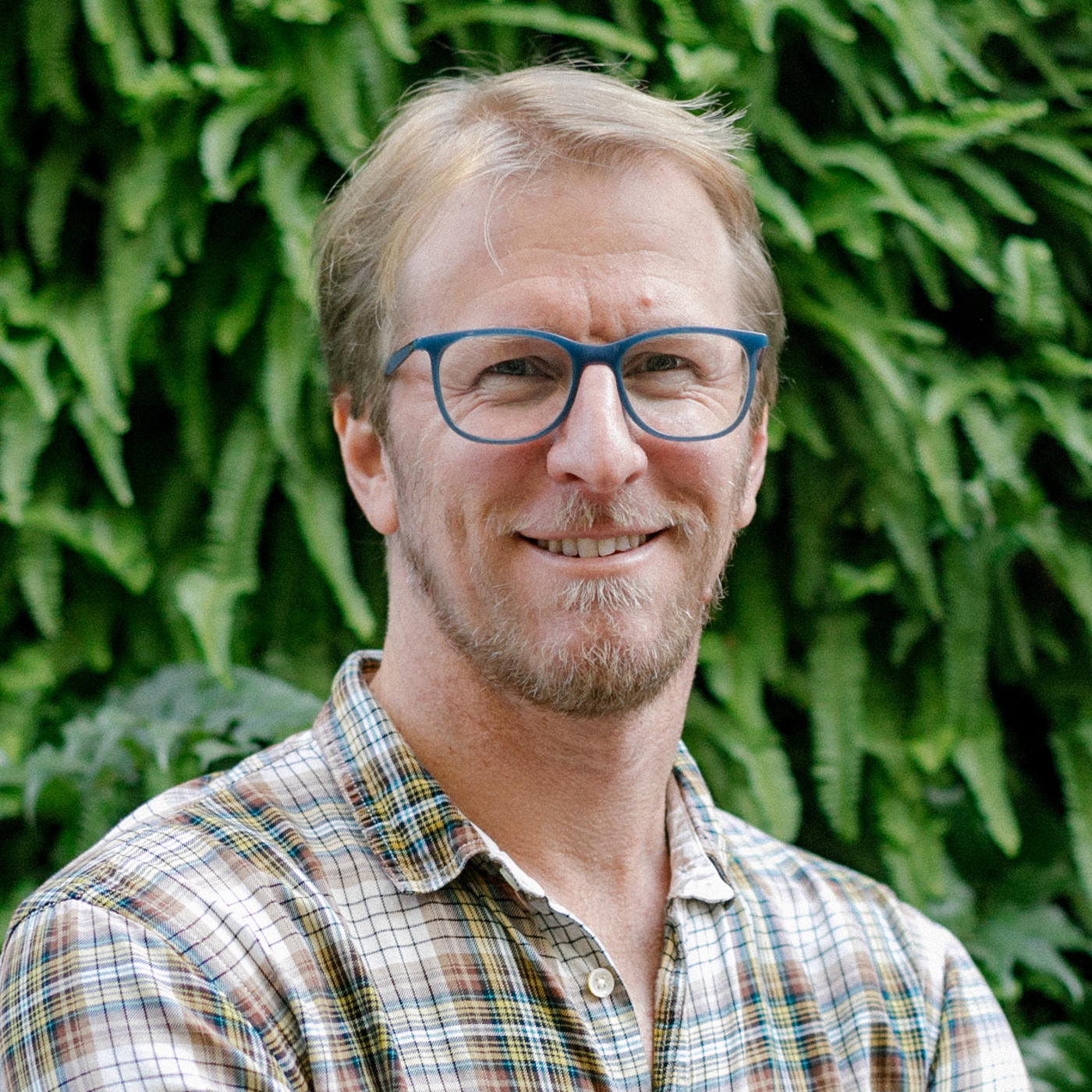
Hayden Montgomery is the Agriculture Program Director at the Global Methane Hub – a global alliance of more than 20 leading philanthropies committed to reducing global methane emissions by more than 30% by the year 2030. Previously, he was the Special Representative of the Global Research Alliance on Agricultural Greenhouse Gases, representing the 65 member countries in all international fora and coordinating research between countries and partner organizations. Prior to that, he served as New Zealand’s Ambassador to Argentina, Paraguay and Uruguay from 2013 to 2016.
Reynold Bergen
Full bio
Calgary, Alberta
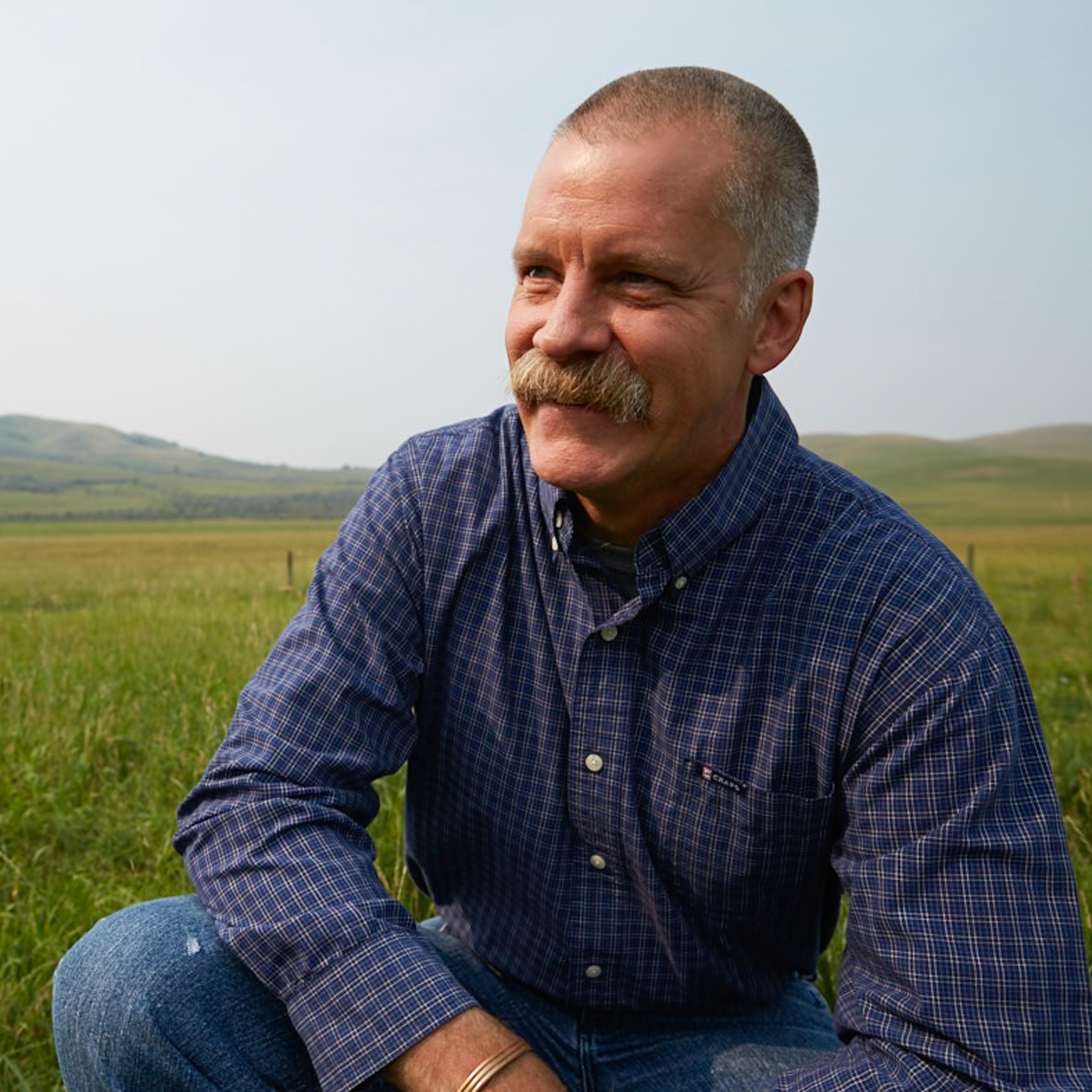
Reynold Bergen provides scientific and industry expertise to the Beef Cattle Research Council and Beef Science Cluster, as the Science Director. Reynold works with industry to identify research priorities, review research proposals and scientific reports, and engages with industry and research experts on an ongoing basis. Reynold also works to gather and provide relevant research-based information for industry, public and government communications on specific issues.
Reynold has worked as a technician, research associate and post‐doctoral fellow at the universities of Saskatchewan, Manitoba, Guelph, and AAFC Lethbridge in areas ranging from live‐animal carcass evaluation of beef cattle, cold‐weather physiology of ruminants, genetics, and feeding behavior, in addition to work in technology transfer and extension with both government and private industry.

Nathalie Côté
Full bio
Beloeil, Québec
Nathalie Côté is Directrice des affaires agronomiques with Les Producteurs de bovins du Québec. She had held several positions at Les Producteurs de bovins as an advisor in quality programs, welfare, animal health and environmental. Since 2001, she has been following environmental issues and has been particularly interested in the impacts of climate change and greenhouse gas emissions in beef production since 2020. She is also a member of the Beef Cattle Research Council (BCRC) management committee and participates in the analysis of research projects in beef production in Canada submitted for funding to this organization.

Christine Baes
Full bio
Maryhill, Ontario
Christine Baes is a Full Professor, Canada Research Chair in Livestock Genomics, and Department Chair of Animal Biosciences Chair at the University of Guelph. Christine leads a large research program (>$25M total) which includes reducing enteric methane emissions from ruminants via both nutritional and genomic approaches as well as other areas of sustainable selection. She is involved in various large-scale livestock breeding projects (swine, horses, dairy cattle, goats, sheep, companion animals), and, together with her team, strives to bridge the gap between cutting-edge research and practical application of new knowledge. Christine has extensive knowledge in the areas of quantitative genetics, statistical genomics and genetic and genomic evaluation of livestock.
In her spare time, she runs a small farm outside of Maryhill.

Joy Agnew
Full bio
Olds, Alberta
Joy Agnew has more than 10 years of experience in managing research programs. As Vice President, Research at Olds College, Joy oversees the research activities in crops, livestock, environmental stewardship, and smart agriculture while also leading the College's innovation and entrepreneurship activities, smart farm operations, and the barley and triticale breeding program at Lacombe. Joy also holds a leadership role in the development of the College's Smart Ag Ecosystem, bringing together the academic programming, applied research, strategic partnerships, smart farm operations, and extension and communication activities to help the College meet its goal to be a leader in Smart Agriculture.

Mara Shaw
Note: Mara Shaw’s role pertained only to Stage 1 of the PMWI.
Full bio
Kingston, Ontario
Mara Shaw is the Executive Director of the National Farmers Union. She holds a M.Sc. in Environmental Engineering Science from the California Institute of Technology and B.S. Honours in Chemistry from the University of Illinois, Champaign-Urbana. Mara was the Executive Director of Loving Spoonful in Kingston prior to which she managed the interface between agriculture, development, and the environment as Watershed Management Coordinator of the Cataraqui Region Conservation Authority.
Finalists
Finalists
Organization | Description |
Agropur (Saint-Hubert, QC) | Agropur is developing an innovative, scalable feed strategy for reducing enteric methane emissions on Canadian dairy farms using a dry-extrusion linseed-based feed ingredient in cow rations. |
Ample Agriculture (Toronto, ON) | Ample Agriculture is developing a novel feed additive for ruminant livestock that reduces the fitness of methane-producing organisms in the rumen, redirecting energy away from methane and towards meat and milk production. |
Mon Système Fourrager (Montreal, QC) | Mon Système Fourrager uses a decision support tool that helps farmers in reducing farm methane emissions while maintaining or increasing profitability. It analyzes farm data, recommends best practices, and provides real-time insights to optimize forage systems, balancing sustainability with economic gains. |
Semex (Guelph, ON) | Semex, together with Lactanet, has developed a genomic evaluation and breeding tool that enables dairy producers to genetically select low-methane genetics to reduce methane emissions from their herds and the carbon intensity of the milk they produce. The tool is a novel trait called "Methane Efficiency" that is neutral for production traits so producers can reduce methane without negatively affecting their bottom line. |
WaterPuris (Vaughan, ON) | WaterPuris uses oxygenated nanobubble water technology for animal health optimization to reduce livestock methane emissions, while maintaining or improving livestock productivity. |



Semi-finalists: Stage 1b
| Organization | Description |
Semex (Guelph, ON) | Semex proposes to develop a breeding protocol and incentivization strategy for farmers to incorporate selection for low methane genetics in their breeding programs as well as measure, record and verify methane reductions over time. |
Ample Agriculture (Toronto, ON) | Ample Agriculture uses a new feed additive for ruminants that reduces the fitness of methane-producing organisms in the rumen, favoring organisms that redirect energy away from methane and towards meat and milk production. |
Mon Système Fourrager (Montreal, QC) | Mon Système Fourrager uses a decision support tool designed for forage systems, aimed at assisting producers in adopting strategies to reduce enteric methane emissions. |
Université Laval (Québec, QC) | Université Laval uses biofiltration, which involves passing exhaust air through an organic substrate to oxidize methane into carbon dioxide and water vapour, due to the presence of methanotrophic bacteria. |
AbacusBio (Edmonton, AB) | AbacusBio uses a tool that allows the selection of beef sires based on their predicted progeny enteric methane footprint. |
Sustainable Bio Security Inc. (Waterdown, ON) | Sustainable Bio Security Inc. uses ozone to decrease methane production through improving the overall health in dairy farms, fostering a sustainable and healthier environment for livestock. |
WaterPuris (Vaughan, ON) | WaterPuris uses textile ECG sensors and oxygenated nanobubble water technology for animal health optimization to reduce livestock methane emissions and increase livestock productivity. |
Agropur (Saint-Hubert, QC) | Agropur proposes an innovative, scalable feed strategy for reducing enteric methane emissions on Canadian dairy farms using a dry-extrusion linseed-based feed ingredient in dairy cow rations. |
University of Saskatchewan (Saskatoon, SK) | University of Saskatchewan is evaluating the impact of identifying and selecting genetic traits that allow for cattle to eat and digest more fibre while potentially producing less methane. |
University of Saskatchewan (Saskatoon, SK) | University of Saskatchewan is evaluating various products administered via the drinking water system, as a practical method to reduce enteric emissions in beef cattle grazing systems. |




Semi-finalists: Stage 1a
| Organization | Description |
AbacusBio (Edmonton, AB) | AbacusBio uses a tool that allows the selection of beef sires based on their predicted progeny enteric methane footprint. |
Agropur (Saint-Hubert, QC) | Agropur proposes an innovative, scalable feed strategy for reducing enteric methane emissions on Canadian dairy farms using a dry-extrusion linseed-based feed ingredient in dairy cow rations. |
Ample Agriculture (Toronto, ON) | Ample Agriculture uses a new feed additive for ruminants that reduces the fitness of methane-producing organisms in the rumen, favoring organisms that redirect energy away from methane and towards meat and milk production. |
ArkeaBio (Calgary, AB) | ArkeaBio is pioneering a vaccine-based approach to dramatically reduce enteric methane production in cattle across all agronomic environments in which the world's 1.2 billion cattle reside. |
Mon Système Fourrager (Montreal, QC) | Mon Système Fourrager uses a decision support tool designed for forage systems, aimed at assisting producers in adopting strategies to reduce enteric methane emissions. |
Pond Technologies (Markham, ON) | Pond Technologies uses a feed additive that both reduces methane emissions from cattle and makes more energy from feed available to cattle, leading to faster growth or more milk production. |
Semex (Guelph, ON) | Semex proposes to develop a breeding protocol and incentivization strategy for farmers to incorporate selection for low methane genetics in their breeding programs as well as measure, record and verify methane reductions over time. |
Sustainable Bio Security Inc. (Waterdown, ON) | Sustainable Bio Security Inc. uses ozone to decrease methane production through improving the overall health in dairy farms, fostering a sustainable and healthier environment for livestock. |
TerraWave Radar Solutions Inc. (Grande Pointe, MB) | TerraWave Radar Solutions uses radio waves to monitor soil quality through evaluating the subsurface features of soil such as organic matter levels, aiding in identifying richer soil areas for optimized grazing. |
Université Laval (Québec, QC) | Université Laval uses biofiltration, which involves passing exhaust air through an organic substrate to oxidize methane into carbon dioxide and water vapour, due to the presence of methanotrophic bacteria. |
WaterPuris (Vaughan, ON) | WaterPuris uses textile ECG sensors and oxygenated nanobubble water technology for animal health optimization to reduce livestock methane emissions and increase livestock productivity. |
University of Saskatchewan (Saskatoon, SK) | University of Saskatchewan is evaluating the impact of identifying and selecting genetic traits that allow for cattle to eat and digest more fibre while potentially producing less methane. |
University of Saskatchewan (Saskatoon, SK) | University of Saskatchewan is evaluating various products administered via the drinking water system, as a practical method to reduce enteric emissions in beef cattle grazing systems. |



Stay connected
- X
- AAFC
By telephone
Telephone (in Canada): 1-877-246-4682
Telephone (outside Canada)
1-204-926-9650; TDD/TTY: 613-773-2600

Challenge details
Who can apply
- Businesses or other for-profit organizations incorporated in Canada;
- Not-for-profit organizations registered in Canada;
- Producers, producer organizations and associations within Canada;
- Indigenous (First Nations, Métis, Inuit) individuals, organizations or groups of individuals located in Canada;
- Post-secondary/academic institutions located in Canada;
- Individuals or groups of individuals based in Canada;
- Collaborations between one or more of the above categories of applicants and international parties.
Prizes
- $250,000
Up to 20 semi-finalists will be selected to receive up to $250,000 each to support the development of a technology, practice or process to reduce enteric methane emissions. - $500,000
Up to 10 finalists with the top solutions will be selected to receive up to $500,000 each to test their solution in an operational environment in partnership with the solution’s end users. - $1,000,000
Up to 2 prizes of up to $1 million will be given to the innovators who best demonstrate the widespread applicability of their solutions.
Stage 1A key dates
- November 14, 2023
Call for applications - February 7, 2024
Application deadline - Summer 2024
Announcement of 20 semi-finalists

Last modified: 2026-10-08